
Traditional spa travel experience planning usually breaks down in the same two places, people either book the wrong kind of “traditional” spa for their goals, or they arrive unprepared for etiquette, heat, nudity rules, and pacing that feel very different from U.S. day spas.
If you get it right, though, these trips can be more than a massage in a pretty room, they can be a cultural ritual, a reset for sleep and stress, and a surprisingly social experience depending on the country.
This guide keeps things practical, how to pick the right tradition for your comfort level, what to pack, what to book, and how to avoid the most common mistakes that waste money or leave you feeling awkward.
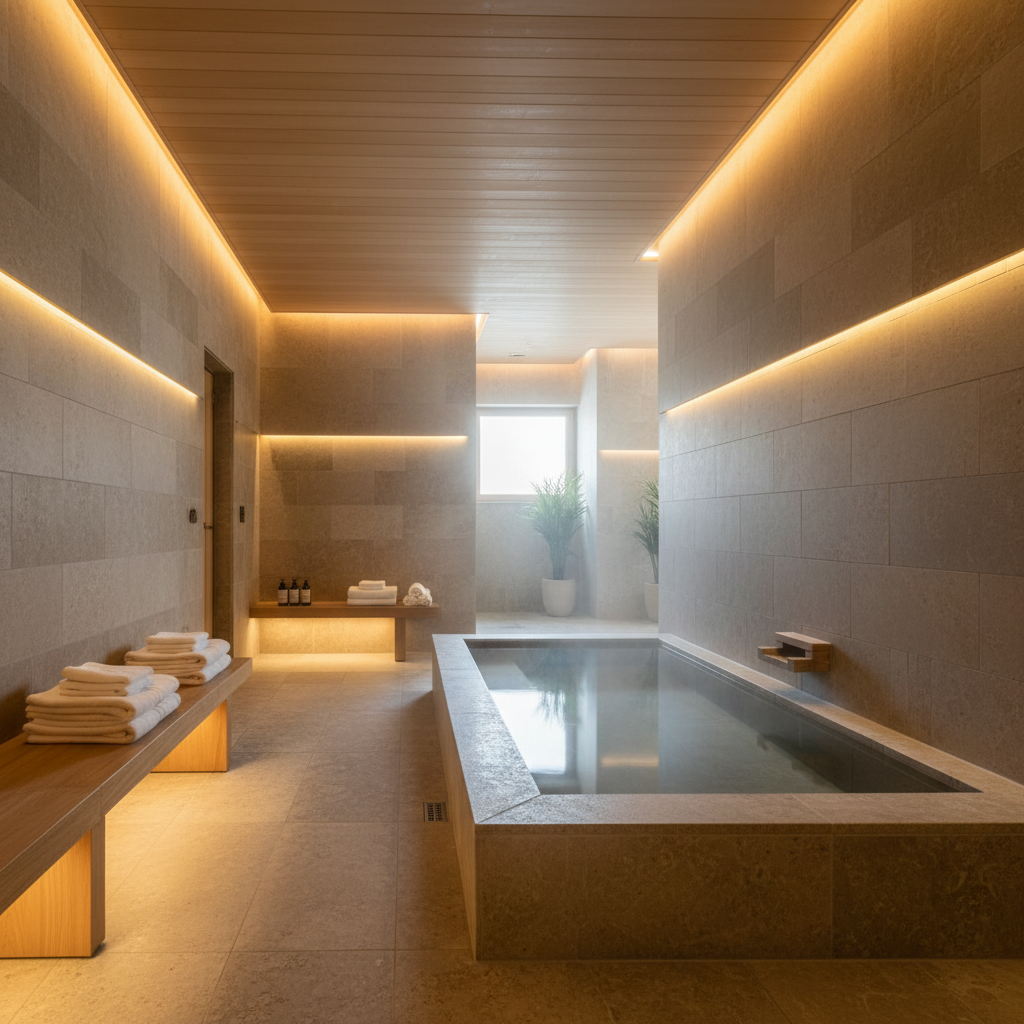
What “Traditional Spa” Means (and Why It Varies So Much)
“Traditional” is a slippery word in travel marketing. In many destinations it can mean a centuries-old bathing culture, but it can also mean a modern spa borrowing a few rituals and calling it heritage.
It helps to separate traditional bathing from traditional bodywork. Bathing-focused experiences lean on heat, steam, soaking, and exfoliation, bodywork-focused experiences lean on massage styles, stretching, herbal compresses, and oils.
Common traditional spa formats you’ll run into
- Bathhouse culture: hammam-style scrubs, hot-cold circuits, communal soaking, steam rooms.
- Hot spring traditions: mineral baths with quiet rules, often more about soaking than services.
- Ritual-based spa menus: multi-step journeys that mix steam, scrub, wrap, and massage.
- Local massage lineages: techniques tied to a region, sometimes more vigorous than a Swedish massage.
According to the U.S. Centers for Disease Control and Prevention (CDC), travelers should plan ahead for health and safety needs when using recreational water venues, that general mindset applies here too, especially if you have skin conditions, circulation concerns, or you’re sensitive to heat.
Why People Love a Traditional Spa Travel Experience
A traditional spa travel experience tends to feel different from a typical resort treatment because the “point” is not always pampering. Often it’s cleansing, social bonding, religious or cultural etiquette, or a weekly routine that locals take seriously.
In practice, travelers usually like it for a few reasons:
- Structured relaxation: the order of steps reduces decision fatigue, you just follow the flow.
- Heat and hydrotherapy: warm water and steam can feel amazing for soreness, though responses vary.
- Cultural immersion: you learn rules, rhythms, and small manners you won’t get from museums.
- Value: many traditional venues price basics fairly, while luxury add-ons are optional.
One honest note, if you want silence, privacy, and aromatherapy music, a communal bathhouse may feel like the opposite of “spa” on day one. That doesn’t mean it’s bad, it means it’s different.
Quick Self-Check: Which Experience Fits You?
Before you book, decide what you can tolerate and what you actually want out of the day. This sounds obvious, but lots of disappointments come from skipping this 2-minute check.
- Comfort with communal spaces: Are you okay changing in shared areas, or do you need private facilities?
- Nudity rules: Some traditions require nude bathing, others require swimwear, ask before you assume.
- Heat tolerance: Steam rooms and hot pools can be intense, especially if you’re dehydrated.
- Touch and pressure: Traditional bodywork may be firmer or more technique-heavy than you expect.
- Time commitment: Many rituals work best when you can go slow, rushing makes it feel pointless.
- Language comfort: Are you fine with minimal explanation, or do you want an English-friendly venue?
If you hesitated on two or more bullets, aim for a hybrid option, a reputable spa that offers traditional elements in a more guided, private setting. You can “graduate” to the fully local version later.
How to Choose a Trustworthy Traditional Spa (Not a Tourist Trap)
The best filter is not “most Instagrammable,” it’s clarity. Legit venues explain their process, rules, and pricing without forcing upgrades.
Signals that usually mean you’re in good hands
- Transparent menus: clear durations, steps, and what’s included (scrub mitt, soap, oils, tips policy).
- Hygiene visible: fresh linens, clean wet areas, staff cleaning in plain sight.
- Local clientele: not required, but a good sign, especially off-peak hours.
- Rules posted: phone policy, hair washing rules, quiet zones, hydration reminders.
Red flags that often cost you time and money
- Pushy “VIP” upsells before you even see the facilities.
- Vague descriptions like “ancient ritual” with no steps or duration.
- Prices that change at checkout, or unclear tipping expectations.
- Reviews mentioning hygiene issues or rushed service.
According to the World Health Organization (WHO), good hygiene practices matter for public health in communal environments, and while a spa is not a clinic, you should still treat cleanliness as a non-negotiable booking criterion.
Booking and Etiquette: What to Do Before You Arrive
Small prep work prevents most awkward moments. Your goal is to walk in already knowing the basics, so you can relax instead of constantly guessing.
Before you book
- Confirm dress code: nude, swimsuit, or provided wrap, it varies by venue and gender-separated policies.
- Ask about timing: arrive early, some places expect 15–30 minutes for changing and showers.
- Check what’s included: robe, slippers, towel, locker, toiletries, hair dryer.
- Clarify cancellation: popular traditional spots can be strict with no-shows.
When you arrive
- Shower first: in many traditions, entering pools unshowered is a major etiquette fail.
- Go easy on fragrance: heavy perfume can be frowned on in steam areas.
- Follow the flow: if there’s a circuit, copy locals or ask staff, they expect questions.
- Phone away: many bathhouses ban photography for privacy.
If you have medical conditions, are pregnant, or take medications that affect blood pressure, heat exposure may not be appropriate, checking with a clinician is the safest call.
Practical Planning: Timing, Budget, and What to Pack
Most people overpack for spa days, then forget the one thing that matters, hydration. Keep it simple, and plan the day so you’re not sprinting back to a tour bus.
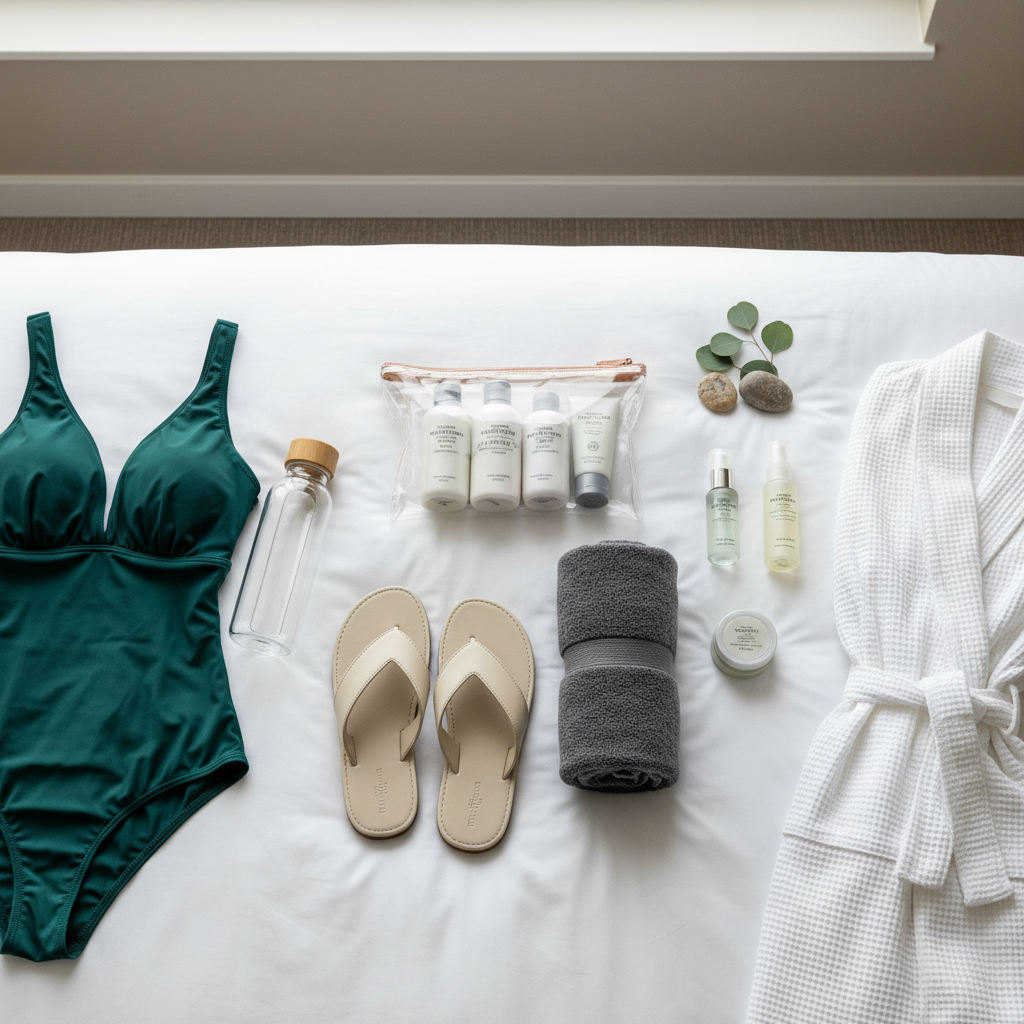
A simple packing list
- Water bottle and an electrolyte option if you sweat easily
- Swimwear only if the venue requires it
- Flip-flops or easy sandals
- Hair tie and minimal skincare for after
- Cash for tips if that’s customary locally (ask, don’t assume)
Budget reality check (quick table)
Prices vary wildly by country, city, and luxury level, so think in ranges and structure rather than exact numbers.
| Experience Type | Typical What You Pay For | Good For | Watch Outs |
|---|---|---|---|
| Entry-only bathhouse | Access to pools/steam, sometimes towels | Culture + low-cost reset | Crowds, limited English support |
| Scrub + bathing access | Exfoliation, soap wash, time-slot service | First-timers who want guidance | Pressure can feel intense |
| Ritual package | Multi-step sequence plus massage | Anniversary, “treat yourself” day | Upsells, unclear inclusions |
| Hot spring day pass | Soaking access, sometimes private tub add-on | Quiet recovery, scenic settings | Strict rules, tattoo policies |
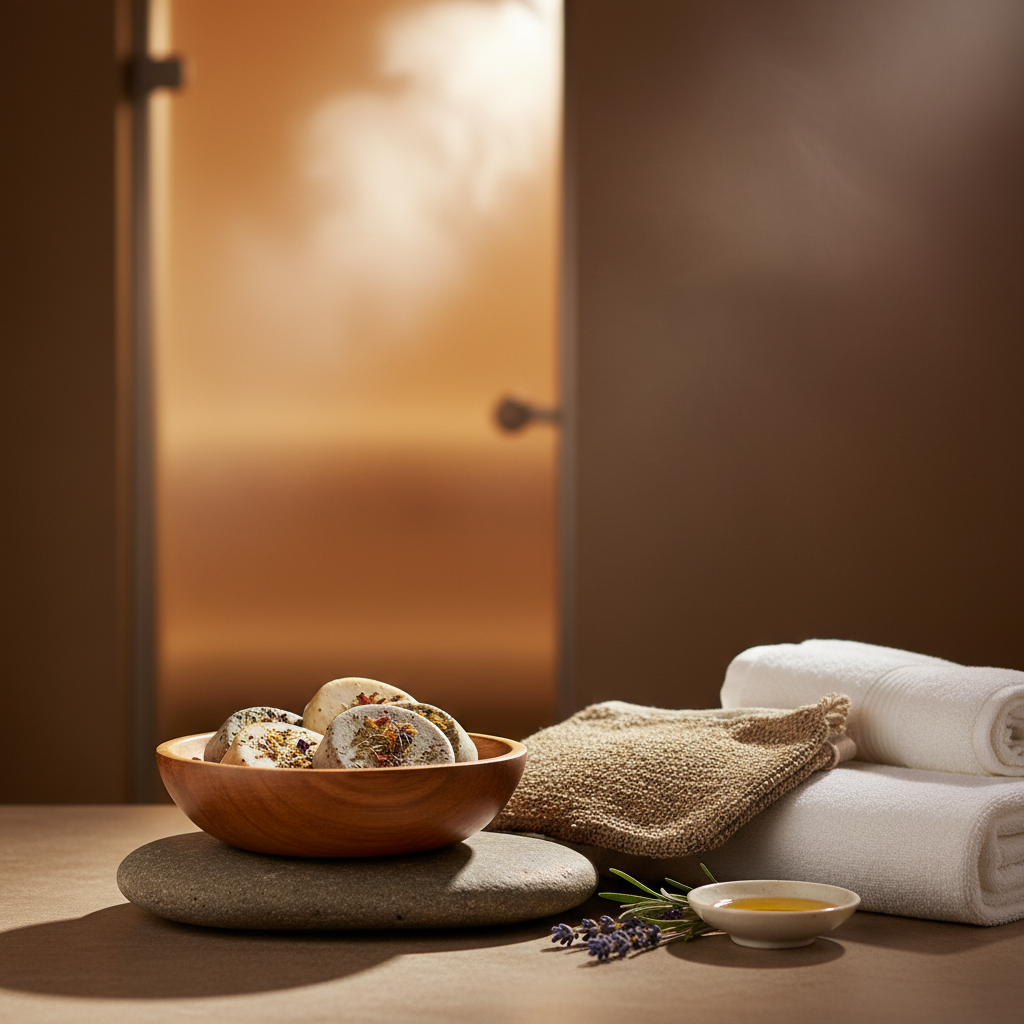
A Step-by-Step Spa Day Flow (So You Don’t Feel Lost)
If your venue doesn’t provide a clear sequence, this general flow works in many places. Adjust based on posted rules, staff instructions, and how your body reacts.
- Start with a shower, no exceptions in most traditional settings.
- Warm up gradually with a mild sauna or warm pool, give your body time.
- Do the scrub after you’ve warmed up, exfoliation on cold skin can feel rough.
- Rinse and rehydrate, a short break prevents dizziness.
- Massage or bodywork once you’re clean and warmed, your muscles usually cooperate more.
- Cool down slowly, then shower again and moisturize.
Key point: if you feel lightheaded, nauseated, or unusually weak, stop the heat cycle, cool down, and ask staff for help. Trying to “push through” is where people get into trouble.
Common Mistakes (and How to Avoid Them)
These are the unglamorous parts, but fixing them is what makes your traditional spa travel experience feel smooth instead of stressful.
- Booking the most “traditional” option first: if you’re unsure about nudity, start with a guided private ritual.
- Arriving dehydrated: flights, walking, and heat stack up, drink water before and after.
- Overdoing heat: longer is not always better, short rounds often feel nicer than one marathon session.
- Misreading silence vs. social rules: some spaces are chatty, some are quiet zones, look for signage.
- Skipping questions: staff hear the same questions all day, ask anyway, it’s normal.
Also, don’t assume every “traditional” service is appropriate for everyone. Intense scrubs, deep pressure, and prolonged heat might be a bad fit if you have certain medical issues, when in doubt, ask a healthcare professional and choose gentler options.
Conclusion: Make It Cultural, Not Complicated
A traditional spa travel experience works best when you treat it like a local ritual you’re borrowing for a day, follow the rules, go slower than you think, and pick a venue that matches your comfort level rather than your fantasy.
If you want a simple next step, do two things, shortlist two venues with clear menus and visible hygiene standards, then message them with three questions: dress code, what’s included, and how early you should arrive. The answers usually tell you everything.
Key takeaways
- Define your comfort level before booking, especially around heat and communal spaces.
- Look for clarity in rules, inclusions, and pricing to avoid tourist traps.
- Hydration and pacing matter as much as the treatment itself.
FAQ
What should I expect from a traditional spa travel experience if I’m used to U.S. day spas?
You may see more communal spaces, stricter bathing etiquette, and a stronger focus on cleansing steps like showers and scrubs. Many places feel less “luxury quiet” and more like a real public routine.
Is nudity always required in traditional bathhouses?
No, requirements vary by country, facility, and whether the space is gender-separated. It’s worth confirming in writing before you show up, especially if you’re traveling with family.
How do I avoid getting overcharged at touristy spas?
Choose venues with transparent menus, confirm what’s included, and ask how they handle tips and add-ons. If pricing changes at checkout or staff pressure upgrades aggressively, that’s usually a sign to walk away.
Can I do a scrub and massage on the same day?
Often yes, and many people enjoy that pairing, but it depends on your skin sensitivity and how intense the scrub is. If you tend to get irritated easily, consider a lighter exfoliation or separate days.
What’s the best time of day to go?
Mornings can feel calmer and cleaner in many facilities, while evenings can be crowded and louder. If you want a more local vibe, weekday afternoons sometimes hit a sweet spot, but it varies by destination.
Are traditional spa rituals safe if I have health conditions?
Heat exposure and deep pressure may not be appropriate for some conditions or medications, so it’s smart to consult a clinician if you have concerns. On-site, tell staff what you want to avoid and choose gentler options.
Do I need to tip, and how much?
Tipping norms vary a lot internationally, and some places build service charges into the bill. The safest move is to ask the front desk what’s customary there, rather than applying U.S. expectations automatically.
If you’re planning a traditional spa travel experience and want it to feel authentic without guesswork, consider mapping your trip around one “anchor” spa day, then build lighter activities around it, your body will thank you, and you’ll remember more than the photos.