
wildlife reserve travel tips matter most when you realize the “rules” aren’t just bureaucracy, they’re the difference between a calm, memorable sighting and a stressful day where animals disappear and rangers intervene.
A lot of first-time visitors overpack the wrong stuff, under-plan timing, and assume wildlife behaves like a zoo exhibit. In most reserves, animals move on their own schedule, and visitors share responsibility for keeping everyone safe.
This guide focuses on practical decisions you can make before you go, plus on-the-ground habits that help you see more while staying respectful. You’ll also get a quick checklist, a planning table, and a few judgment calls that usually aren’t spelled out in brochures.
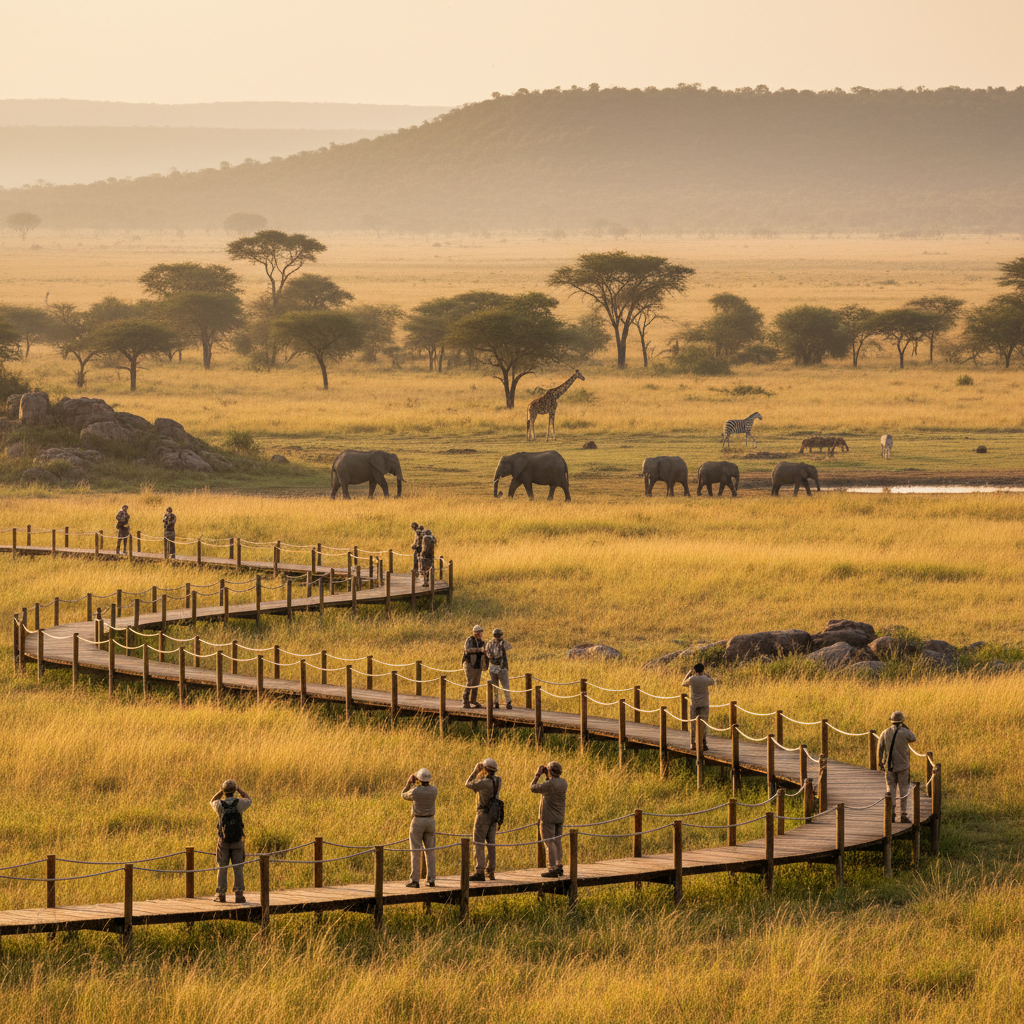
What to know before you book (and why it changes your whole trip)
Not all “wildlife reserves” operate the same way. Some are public parks with strict rules and limited services, others are private conservancies with guides and controlled access. Your planning should match the type of reserve, not just the destination name.
- Access style: self-drive, guided vehicle, walking safari, boat, or a mix. Each one changes what you can bring and how close you may get.
- Permit systems: timed entries, capped daily visitors, or seasonal closures are common, especially in sensitive habitats.
- Infrastructure: some areas have cell coverage and restrooms, others require you to be fully self-sufficient for hours.
According to National Park Service (NPS)... visitors should follow posted regulations and keep a safe distance from wildlife, because close approaches can stress animals and create safety risks.
Timing, seasons, and expectations: how to improve sightings without chasing them
If you want better odds of seeing animals, you usually don’t need “secret spots,” you need better timing. Many newcomers arrive midday, stay an hour, then leave disappointed.
- Go early or late: many species move more during cooler hours, while midday activity can drop, especially in heat.
- Build in still time: quiet waiting near water sources or open viewpoints often beats constant driving.
- Respect seasonal realities: rainy seasons can mean lush landscapes but tougher viewing, dry seasons can concentrate wildlife but feel harsher.
Set expectations realistically: a reserve is not a guaranteed show. The goal is to stack the odds, not force outcomes, and these wildlife reserve travel tips pay off most when you plan for uncertainty.
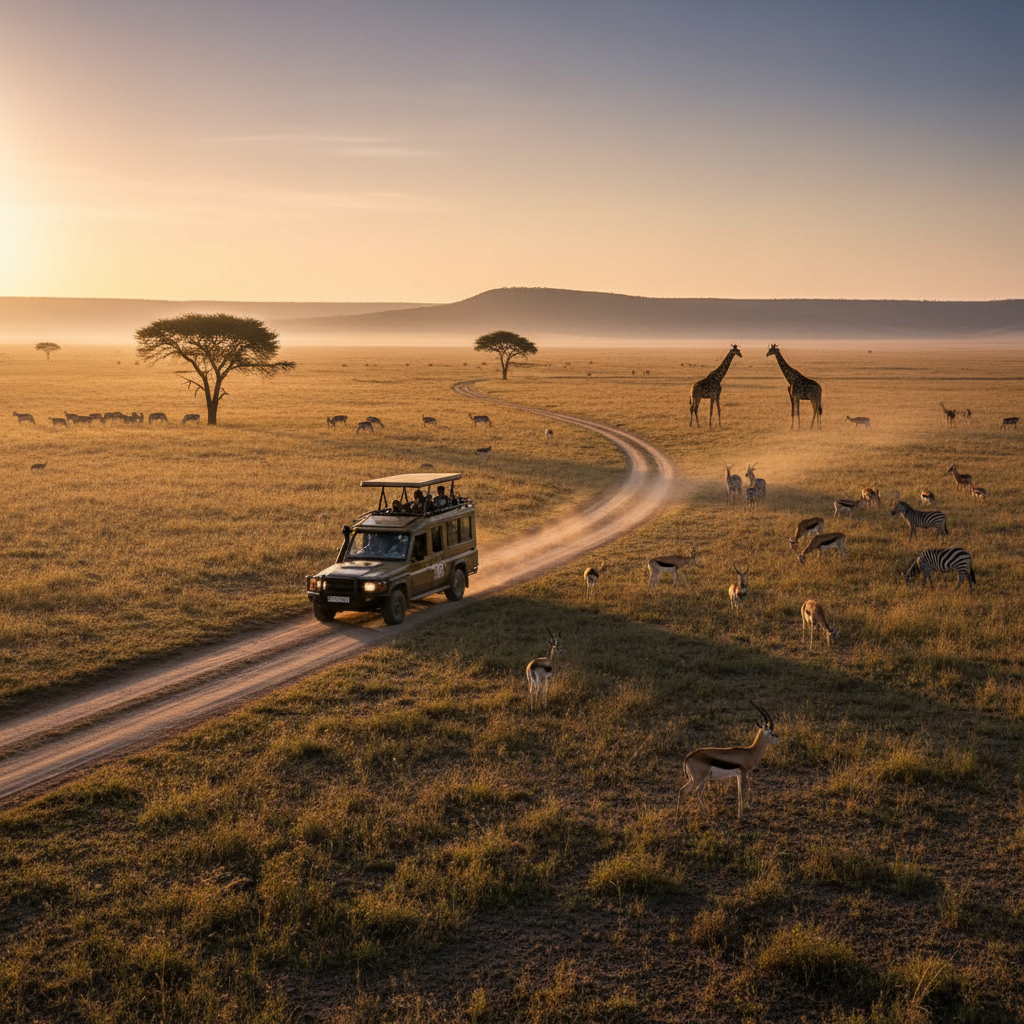
Pack smart: essentials that actually help on reserve days
Most packing mistakes fall into two buckets: bringing too much “just in case,” or skipping the boring items that make long viewing sessions comfortable. A simple kit tends to win.
Reserve-day essentials
- Binoculars: even a compact pair makes distant behavior feel close without pushing boundaries.
- Sun and bug protection: hat, sunscreen, repellent, and lightweight long sleeves, since exposure adds up fast.
- Water and salty snacks: dehydration sneaks up, especially when you’re focused on scanning for animals.
- Neutral layers: mornings can be cold, afternoons hot, and bright colors can feel disruptive in some settings.
- Small first-aid kit: blisters, minor cuts, or allergies may come up; for anything serious, follow ranger guidance and seek medical help.
- Offline map or printed directions: coverage varies, and “one wrong turn” can become a long detour.
Helpful, not mandatory
- Microfiber cloth for dusty lenses
- Portable battery pack
- Rain shell in wet seasons
Quick reality check: if you’re on a guided trip, ask what they provide, because many vehicles already carry water, blankets, and radios, and doubling up just adds clutter.
On-site behavior that keeps you safe and helps wildlife stay wild
Most visitor problems start with small choices, leaning out for photos, stepping off the trail “for a better angle,” or feeding animals because they look hungry. In a reserve context, those habits can change animal behavior and create long-term issues.
- Keep distance: if an animal changes direction, stops feeding, stares, vocalizes, or moves away, you’re likely too close.
- Stay quiet and predictable: sudden movement, loud voices, or banging car doors can end a sighting fast.
- No feeding: it can increase aggression, dependency, and disease risk.
- Stick to rules on trails and roads: off-trail shortcuts can damage habitat and put you in unsafe terrain.
According to U.S. Fish & Wildlife Service (USFWS)... giving wildlife space and not feeding animals are core practices to reduce conflicts and protect both people and wildlife.
A quick self-check: which visitor profile fits you today?
Use this list before you enter the gate, because it helps you choose the right pace and the right “win condition” for your day.
- I’m here for photos: you’ll need longer stops, better light planning, and more patience than you think.
- I’m traveling with kids: plan shorter loops, frequent breaks, and clear “quiet rules” for viewing moments.
- I get motion sick: pick smoother routes, sit forward, carry meds if a clinician says they’re appropriate.
- I’m anxious about large animals: guided options and ranger talks often reduce stress and improve confidence.
- I have limited mobility: ask about accessible overlooks, boardwalks, and vehicle-based viewing areas.
If more than one applies, prioritize comfort and safety over distance covered, many people try to “do everything” and end up missing the best moments.
Practical planning table: match your plan to the reserve type
When people ask for wildlife reserve travel tips, they usually want one list. In reality, your best moves depend on how the reserve runs, so here’s a quick way to choose.
| Reserve style | Best for | Plan like this | Common pitfall |
|---|---|---|---|
| Self-drive park | Flexibility, budget control | Start early, download maps, fuel up, pack water | Driving too fast, stopping unsafely |
| Guided vehicle safari | Learning, better spotting | Ask about rules, dress in layers, tip norms vary | Overexpecting “close encounters” |
| Walking-focused reserve | Tracks, ecology, immersion | Follow guide strictly, wear proper footwear | Straying for photos |
| Wetland/boat reserve | Birding, aquatic wildlife | Bring wind layer, secure gear, check weather | Skipping sun protection |
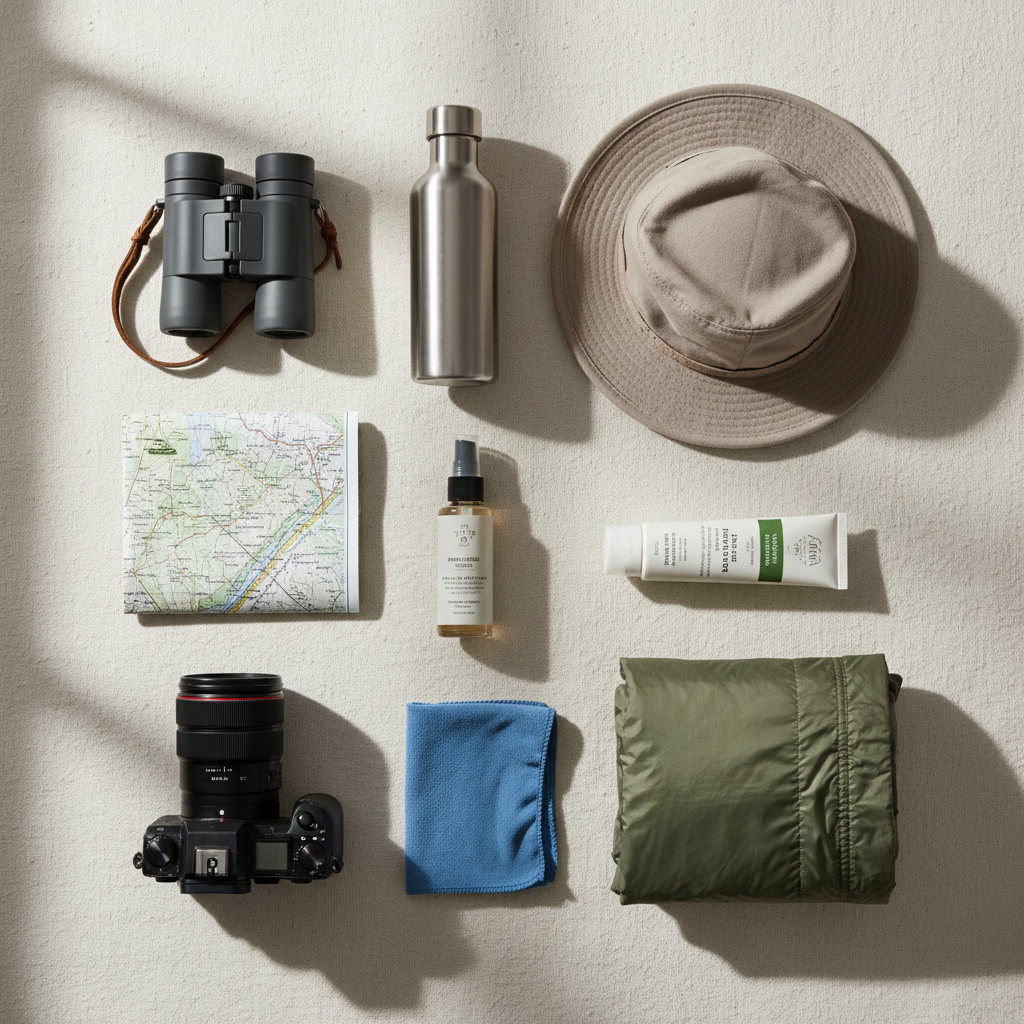
Step-by-step: a simple reserve day plan that works in most places
If you’re unsure how to structure the day, this approach keeps it realistic and reduces “decision fatigue” once you’re inside.
- Night before: check weather, charge phone/camera, confirm opening hours and any timed entry.
- Arrival: get a quick briefing, ask what areas are closed, and note speed limits and stopping rules.
- First loop: slow pace, longer scanning stops, prioritize water and open sight lines.
- Midday reset: shade, hydration, snack, short walk only where permitted, don’t “push through” fatigue.
- Late loop: return to promising zones, watch light direction if you’re photographing.
Key takeaways: start early, drive or walk slower than feels necessary, and treat wildlife behavior as the signal, not your schedule.
Common mistakes (even well-meaning visitors make) and how to avoid them
- Chasing sightings: crowding an animal because other cars stopped can escalate stress; hang back and wait for space.
- Overusing calls or playback for birds: some areas prohibit it, and it can disrupt feeding or nesting, check local rules.
- Ignoring “small” safety warnings: heat, flash floods, slick rocks, and insects cause plenty of real problems, even when large animals are far away.
- Touching or collecting: feathers, bones, plants, and artifacts are often protected; leave them where they are.
According to Centers for Disease Control and Prevention (CDC)... people should avoid close contact with wild animals and wash hands appropriately, because wildlife can carry diseases even when they look healthy.
When to get professional help (rangers, guides, or medical support)
It’s smart to escalate early instead of “waiting it out” in the field.
- Ask a ranger or guide if you see an injured animal, illegal activity, or someone feeding wildlife.
- Seek medical support for bites, scratches, heat illness symptoms, severe allergic reactions, or dehydration that doesn’t improve, and follow local emergency instructions.
- Choose a guided option if you’re unsure about navigation, local hazards, or species behavior, especially in larger reserves.
Many situations aren’t emergencies, but they can become one when pride takes over. Getting help is normal in reserve settings.
Conclusion: make it easier on yourself and better for wildlife
The best wildlife reserve travel tips aren’t about hacks, they’re about preparation, pacing, and restraint. When you show up early, pack for comfort, keep distance, and follow local rules, you usually see more, not less.
If you want one simple next step, pick your reserve type, then plan your day around cooler hours and longer viewing stops, you’ll feel the difference immediately.
FAQ
What are the most important wildlife reserve travel tips for first-time visitors?
Arrive early, keep a safe distance, don’t feed animals, and plan for slower travel than a normal road trip, most sighting success comes from patience.
How close can I get to animals in a wildlife reserve?
It depends on the species and reserve rules, but a good baseline is: if your presence changes behavior, you’re too close. Posted guidance and ranger instructions should override everything.
Is a guided tour worth it if I can self-drive?
Often, yes, especially for learning animal behavior and spotting. Self-drive can still be great if you’re comfortable with navigation and strict rule-following.
What should I wear on a wildlife reserve visit?
Neutral, comfortable layers, closed-toe shoes, sun protection, and something for wind or rain. Avoid noisy fabrics and very bright colors in many settings.
What’s the best time of day to see wildlife?
Many reserves see better movement early morning and late afternoon. Midday can still work for birds or water-area viewing, but it’s usually less active for many mammals.
Can I bring food and eat inside the reserve?
Many places allow snacks in designated areas or in vehicles, but rules vary. The key is preventing crumbs and unsecured trash, because it attracts animals and creates conflicts.
What should I do if an animal approaches my car or trail?
Stay calm, give space, and follow posted rules, in a vehicle that may mean staying inside and waiting. If you feel unsafe, contact staff if possible.
If you’re planning your first reserve trip and want a simpler way to prepare, consider building a short pre-trip checklist around your reserve type, then confirm details with the park office or tour operator so your day runs smoothly without guesswork.