
Best budget travel destinations 2026 isn’t just a list you scroll for inspiration, it’s a planning shortcut for anyone who wants a real trip without the credit-card hangover. Prices swing fast, crowd patterns shift, and what felt “cheap” two years ago can quietly become a splurge.
This guide focuses on places that often deliver strong value for U.S. travelers in 2026, plus the parts that actually move your total cost: flight timing, local transit, food habits, and the kind of stay you choose. You’ll also get a quick way to self-check what “budget” means for you, because that word can mean $70 a day to one traveler and $200 a day to another.
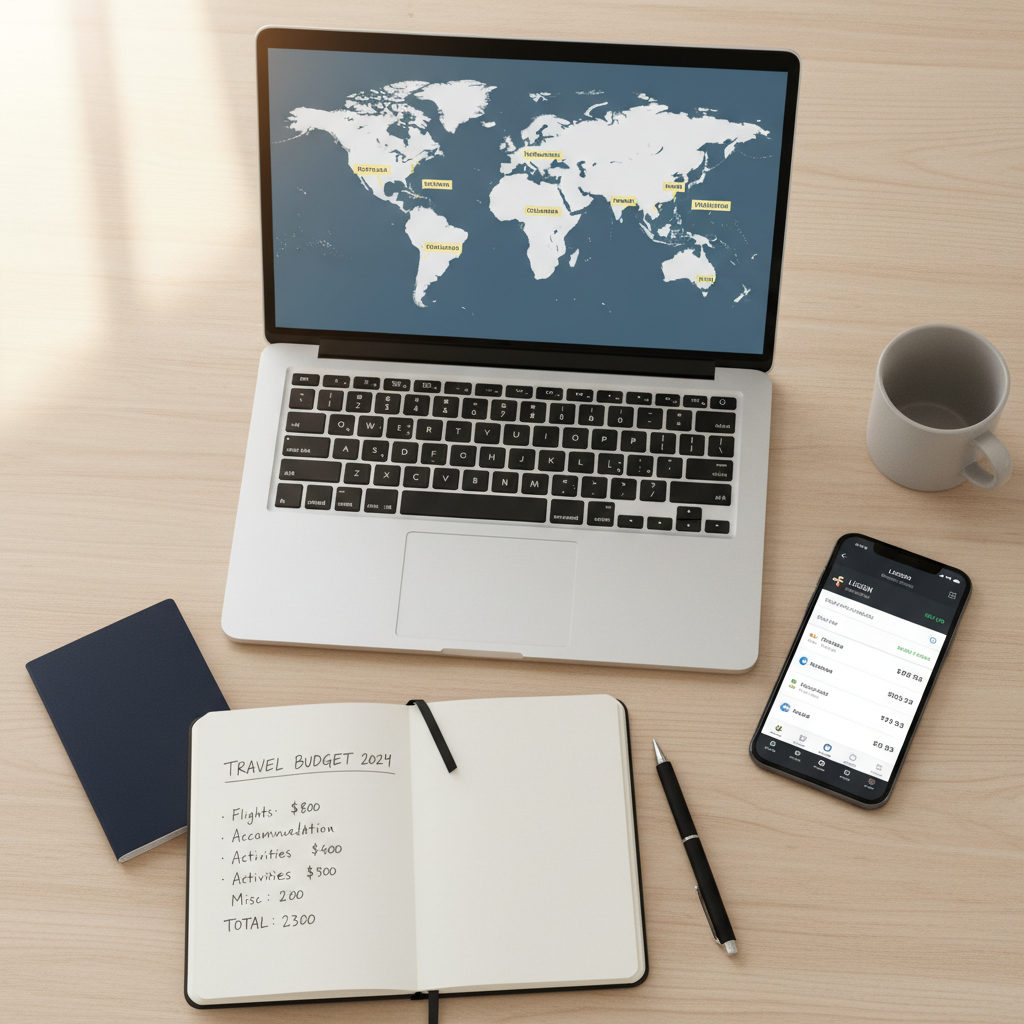
One quick note before we get into destinations: “cheap” is not the same as “good value.” A place can be inexpensive but stressful, hard to get around, or priced oddly once you land. The goal here is value you can feel, not just a low number.
What usually makes a destination “budget-friendly” in 2026
If you’re hunting for the best budget travel destinations 2026, it helps to know what tends to drive affordability. In real trip budgets, the destination itself matters less than the structure of costs once you arrive.
- Airfare competition: multiple carriers and routes can keep fares in check, especially if you can fly midweek.
- Strong public transit: a $2 metro ride beats daily rideshares, every time.
- Food culture that rewards locals: street food, markets, and lunch specials can cut costs without “living on snacks.”
- Lodging variety: guesthouses, small hotels, and short-term rentals create price pressure on midrange options.
- Favorable exchange rate: this can be a big lever for U.S. travelers, though it changes, so treat it as a bonus not a promise.
According to U.S. Department of State, travelers should review destination-specific advisories and entry requirements before booking. That’s not about fear, it’s about avoiding expensive surprises like denied boarding, missing documents, or insurance gaps.
Quick budget self-check: which traveler are you?
Before you pick a place, decide what you want your money to buy. This takes five minutes and prevents the classic mistake: picking a “cheap” destination, then spending like you’re in a pricey one.
Pick the line that sounds like you
- Backpack-leaning: hostels/guesthouses, public transit, most meals casual, experiences over comfort.
- Comfort-on-a-budget: clean private room, a few paid attractions, a couple nicer meals, still transit-heavy.
- Deal-driven splurger: you’ll spend for one or two “big” moments (spa day, boutique stay, guided tour) and keep everything else tight.
If you don’t know where you land, track your last trip and circle the top two categories: lodging and food. That’s usually where expectations drift.
Best budget travel destinations 2026: the shortlist (with realistic cost ranges)
Below are destinations that often work well for Americans aiming for a lower total trip cost. Daily ranges are intentionally broad because seasonality, travel style, and airfare can swing the outcome.
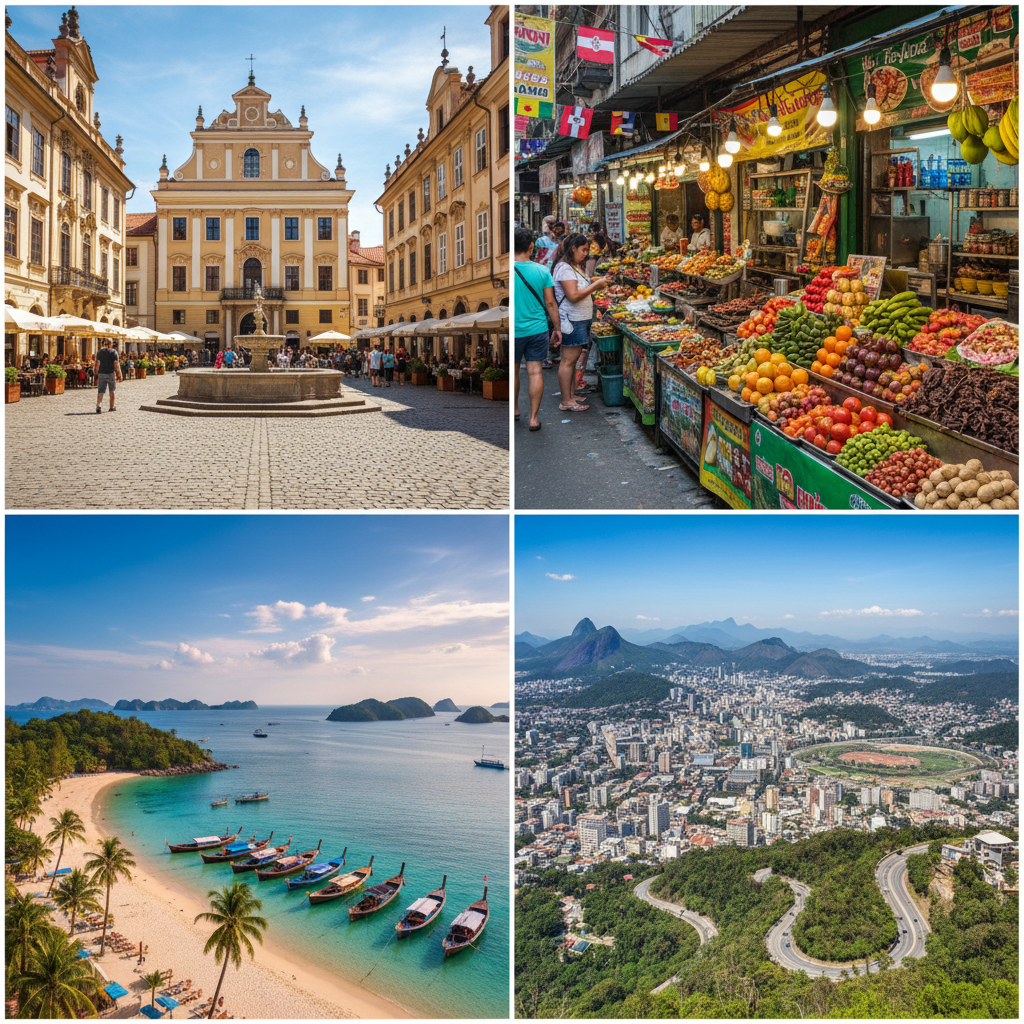
Destination table
| Destination | Why it’s good value | Typical daily budget (on-the-ground) | Best for |
|---|---|---|---|
| Mexico City, Mexico | Transit + food scene + neighborhoods with varied lodging | $70–$160 | Culture, food, museums, long weekends |
| Lisbon + day trips, Portugal | Walkability, cheap eats, easy rail day trips | $110–$220 | City breaks, coastal add-ons |
| Budapest, Hungary | Baths, hearty dining, strong transit, midrange hotels | $90–$190 | Architecture, thermal baths, nightlife |
| Kraków, Poland | Compact center, affordable dining, day tours priced well | $80–$170 | History-focused trips |
| Medellín, Colombia | Metro system, good apartments, cafe culture | $70–$160 | Remote-work style stays, city + nature |
| Vietnam (Hanoi/Da Nang/HCMC) | Food value is hard to beat, domestic flights often reasonable | $45–$120 | Longer trips, food-first travel |
| Thailand (Chiang Mai/Bangkok) | Transit + lodging range, easy itinerary building | $55–$140 | First-timers to SE Asia |
| Japan (Osaka as a base) | Not “cheap,” but high value with smart rail planning + food courts | $120–$260 | Food cities, day trips, efficient logistics |
Notice what’s missing: places where you can only “do budget” by sacrificing safety, basics, or sanity. The best budget travel destinations 2026 tend to be the ones where a normal trip already comes with affordable defaults.
How to keep costs down without making the trip feel “small”
Most people don’t overspend on one big thing, they overspend in a thousand tiny decisions. Try these moves that usually have the biggest payoff.
Flights and timing
- Fly midweek when possible, even shifting one day can change fares.
- Use open-jaw itineraries (arrive one city, depart another) if trains are cheap and backtracking costs time.
- Stop paying for “perfect” connections if a slightly longer layover saves enough to fund two nights of lodging.
Lodging: pay for location, not “extras”
- Pick one good base near transit, then day-trip out. Switching hotels burns time and adds transport costs.
- Choose breakfast strategically: if it’s truly included and solid, great; if it’s pricey, skip and use bakeries or markets.
- Consider private rooms in guesthouses for a balance of quiet + price.
Food: eat well and still spend less
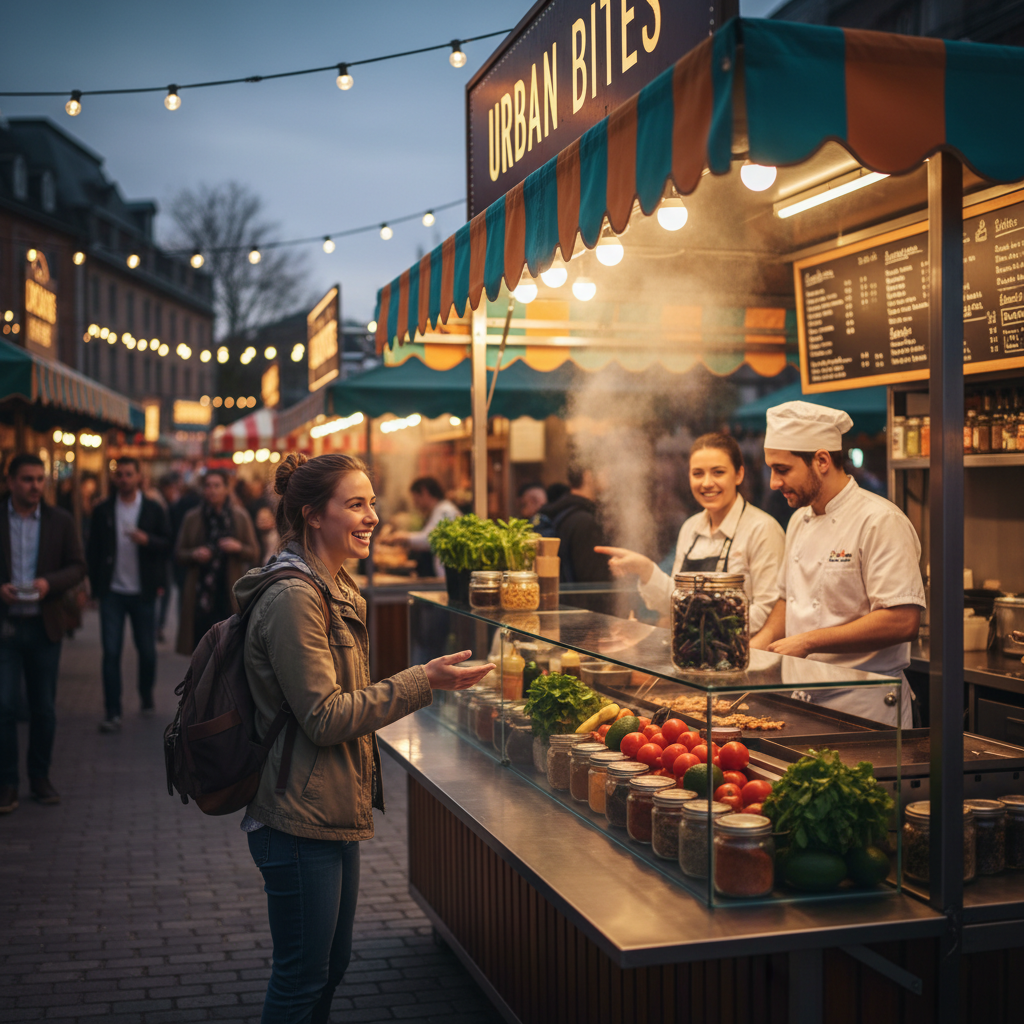
- Anchor one meal per day as the “nice one,” keep the other two simple.
- Shop where locals shop: markets, food halls, lunch counters, neighborhood cafes.
- Water and coffee creep is real, buying drinks all day quietly inflates totals.
Sample budget frameworks you can copy
If you like structure, set a daily cap by category. The trick is to overfund the categories that tend to spike, and underfund the ones you can control.
Comfort-on-a-budget (example split)
- Lodging: 45–55%
- Food: 20–25%
- Transit: 5–10%
- Attractions/tours: 10–20%
- Buffer: 5–10% (tips, small emergencies, spontaneous upgrades)
For longer trips, you can usually lower the daily average by mixing “expensive days” with “recovery days” where you do parks, free walking routes, and grocery-store meals. It sounds boring on paper, but it keeps you traveling longer.
Common mistakes that make “budget destinations” expensive
Some overspends are predictable, and avoiding them is easier than chasing discounts.
- Booking the cheapest room in the wrong area, then spending on rideshares to get anywhere.
- Overpacking the itinerary, which pushes you into paid tours and last-minute transport.
- Ignoring seasonality: shoulder season can feel like a cheat code, peak weeks can erase the “budget” label.
- Paying in the wrong currency at checkout when offered “dynamic currency conversion,” which can add hidden cost.
- Chasing “viral” restaurants that price for visitors, not locals.
According to U.S. Federal Trade Commission, travelers should watch for common consumer scams and read the terms for bookings and refunds. That advice matters more when you’re deal-hunting, because the sketchiest offers often look like the biggest savings.
When you should prioritize safety and get professional guidance
Budget travel still needs guardrails. If you have health conditions, complex medications, or you’re planning higher-risk activities like motorbike rentals or trekking, it may be wise to consult a travel medicine clinic or a qualified professional for advice that matches your situation.
- Travel insurance can be worth considering for international trips, especially when prepaid costs are high.
- Check entry rules and local laws before you go, requirements can change.
- Keep flexibility if you see instability or disruptions, sometimes the cheapest plan is the one you can adjust.
According to CDC, travelers should review recommended vaccines and health notices by destination and talk with a healthcare provider when needed. Even if you’re healthy, knowing what’s common in a region helps you pack smarter and avoid avoidable disruptions.
Key takeaways + a simple next step
If you’re choosing the best budget travel destinations 2026, focus less on “lowest cost” and more on where your habits naturally stay affordable: walkable areas, strong transit, food that’s good without being a production, and lodging options that don’t force upgrades.
- Pick one destination from the shortlist that matches your travel style.
- Set a daily cap using the category split above, then price lodging first.
- Build one splurge into the plan so you don’t impulse-spend later.
If you want a quick start, choose two possible travel windows, search flights for both, and commit to the cheaper week, that single decision often does more than hours of deal hunting.