
The best travel guide for new zealand in 2026 is the one that matches your pace, season, and comfort with driving, because most “perfect itineraries” fall apart the moment weather shifts or you underestimate distances.
If you’re traveling from the U.S., the pain points are predictable, jet lag plus long drives, booking pressure in peak months, and that quiet anxiety of “Did I pick the right island, the right loop, the right number of days?” This guide is built to answer those questions without pretending there’s one ideal trip for everyone.
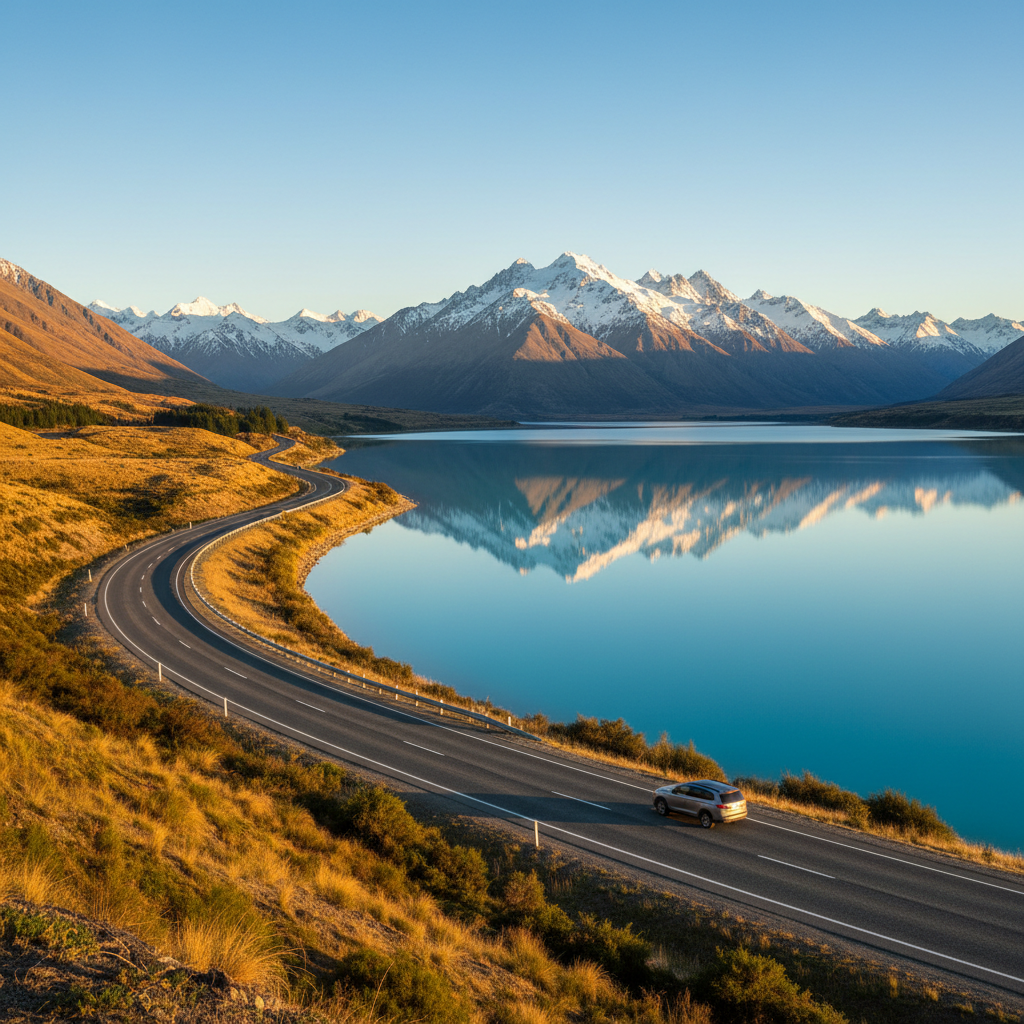
You’ll find practical route options, a season-by-season planning view, a quick self-check to choose North vs South, and the details that usually get skipped, like buffer days, one-way rentals, and what to do when rain cancels your “must-do” hike.
What’s new (and what still matters) for New Zealand travel in 2026
2026 planning still comes down to the same basics: time on the ground, weather, and logistics. What changes year to year is mostly demand patterns and how early you need to lock in the pieces that are hard to replace.
- Booking windows matter more in popular hubs: Queenstown, Wanaka, and the Milford Sound corridor can feel “sold out” in peak stretches, even when the rest of the country is calm.
- Weather remains the boss: you can plan perfectly and still get a rain system that shuts down a scenic track, so build flexibility instead of stacking non-refundable activities back-to-back.
- Driving comfort is a real limiter: left-side driving plus narrow roads and fatigue often decide your route more than “top 10” lists.
According to New Zealand Transport Agency (Waka Kotahi), driving conditions can change quickly in alpine areas, and travelers should check road updates before departing, especially in winter or after heavy rain.
Quick decision: North Island, South Island, or both?
People get stuck here because it feels like a personality test. It’s simpler, decide based on what you want to see daily and how much driving you tolerate.
A fast self-check (pick what sounds like your trip)
- You’ll love the North Island if you want geothermal landscapes, Māori culture experiences, easier pacing, and cities for food and recovery days.
- You’ll love the South Island if you want “big scenery” every day, mountain towns, glacier and fjord day trips, and iconic road-trip loops.
- Do both if you have 14+ days and you’re okay with one internal flight to avoid turning your trip into a driving marathon.
Common mistake: trying to “see both islands” in 7–10 days. It’s doable, but it often becomes airports, highways, and quick photo stops, not the calm, cinematic trip people imagine.
Best time to visit: a season-by-season planning guide
New Zealand’s seasons are flipped from the U.S., and the “best” season depends on your priorities, not just sunshine.
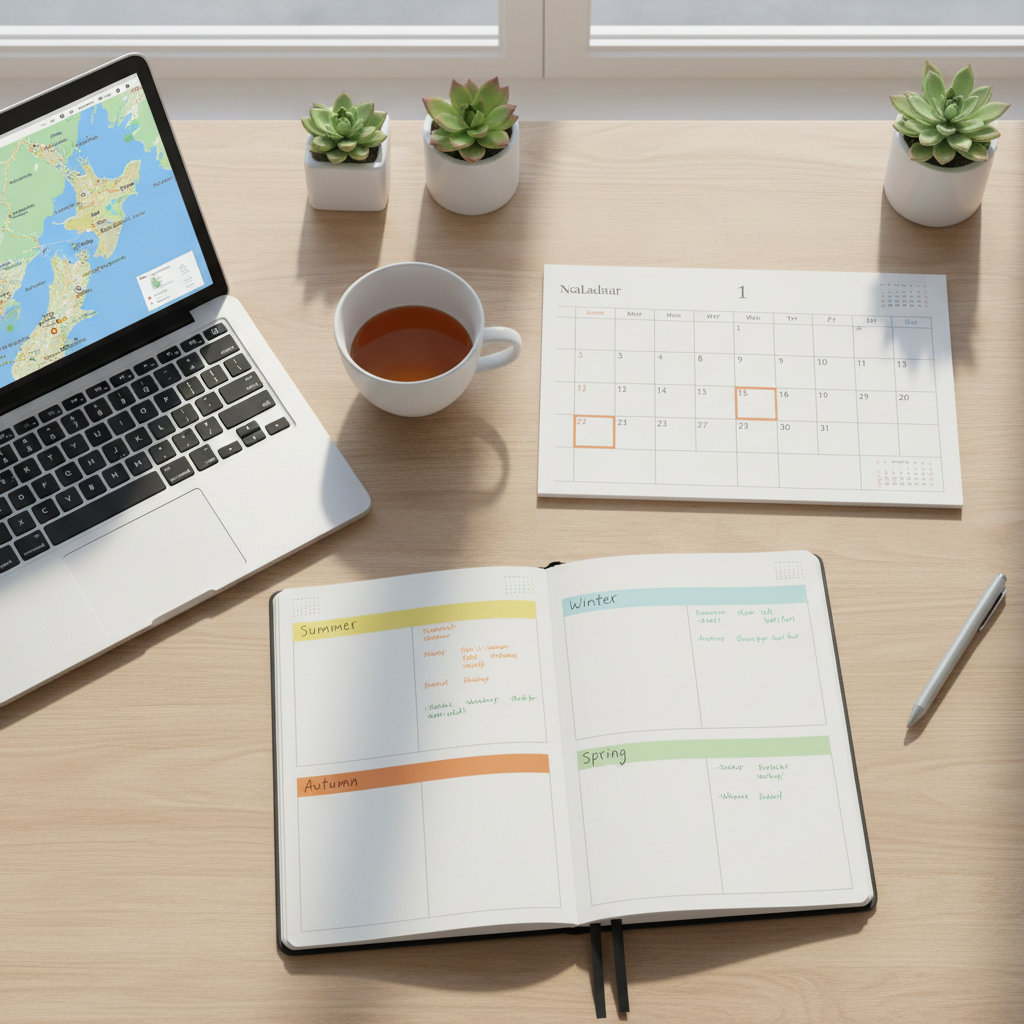
| Season | What it’s best for | Watch-outs |
|---|---|---|
| Dec–Feb (Summer) | Beach days, long daylight, classic road trips | Higher prices, tighter availability in resort towns |
| Mar–May (Fall) | Great shoulder-season balance, vineyards, hiking | Shorter days, some tours reduce frequency |
| Jun–Aug (Winter) | Skiing, cozy stays, fewer crowds in many regions | Snow/ice on passes, weather disruptions |
| Sep–Nov (Spring) | Wildflowers, waterfalls, lighter crowds | “Four seasons in a day” packing, windy stretches |
According to MetService (New Zealand’s national weather service), rapid weather changes are common in many regions, so checking forecasts by area, not just “New Zealand weather,” tends to prevent plan-breaking surprises.
Core itineraries that work (7, 10, 14 days)
A good 2026 itinerary leaves room for weather and stops trying to “collect” every highlight. Below are routes that typically feel realistic for U.S. travelers, with drives that don’t crush your energy.
7 days: pick one island, don’t apologize
- South Island sample loop: Queenstown → Wanaka → Te Anau (Milford Sound day trip) → Queenstown
- North Island sample loop: Auckland → Rotorua → Taupō → Wellington (or back to Auckland)
10 days: one island, plus one “big detour”
- South Island: Add Aoraki/Mt Cook or the West Coast (Franz Josef area) if roads and weather look friendly.
- North Island: Add Coromandel or a Bay of Plenty beach reset day.
14 days: both islands with one flight
- Fly Auckland ↔ Queenstown (or Wellington ↔ Christchurch) to reduce wasted time.
- Plan 2 base towns per island rather than changing hotels every night.
Key point: If you feel tempted to add “just one more” region, trade it for a buffer day. That single decision often separates a good trip from a stressful one.
Practical logistics Americans tend to underestimate
This is where the best travel guide for new zealand earns its keep, because logistics make or break the fun, even when your wishlist looks perfect.
Driving: distances, fatigue, and left-side reality
- Plan fewer miles than you would at home. Roads are often slower, curvier, and more mentally demanding.
- Avoid late-night arrivals after long flights; jet lag plus unfamiliar roads is a rough combo.
- Check road conditions when crossing mountain passes, especially in winter.
According to New Zealand Transport Agency (Waka Kotahi), travelers should take breaks, avoid driving when tired, and treat rural and alpine roads with extra caution.
Inter-island transit: ferry vs flight
- Ferry can be scenic and satisfying, but it locks you into a timetable and can be affected by weather.
- Flight usually saves time if you have limited days, and often reduces the “one more hotel night” problem.
Money and payments
- Cards are widely accepted, but keep a backup card and a small amount of cash for edge cases.
- Build a cushion for fuel, parking, and last-minute activity swaps when weather changes.
How to book smarter: lodging, activities, and a simple timeline
Many travelers overbook early, then feel stuck when conditions change. A better approach is to lock in the scarce pieces and keep the rest flexible.
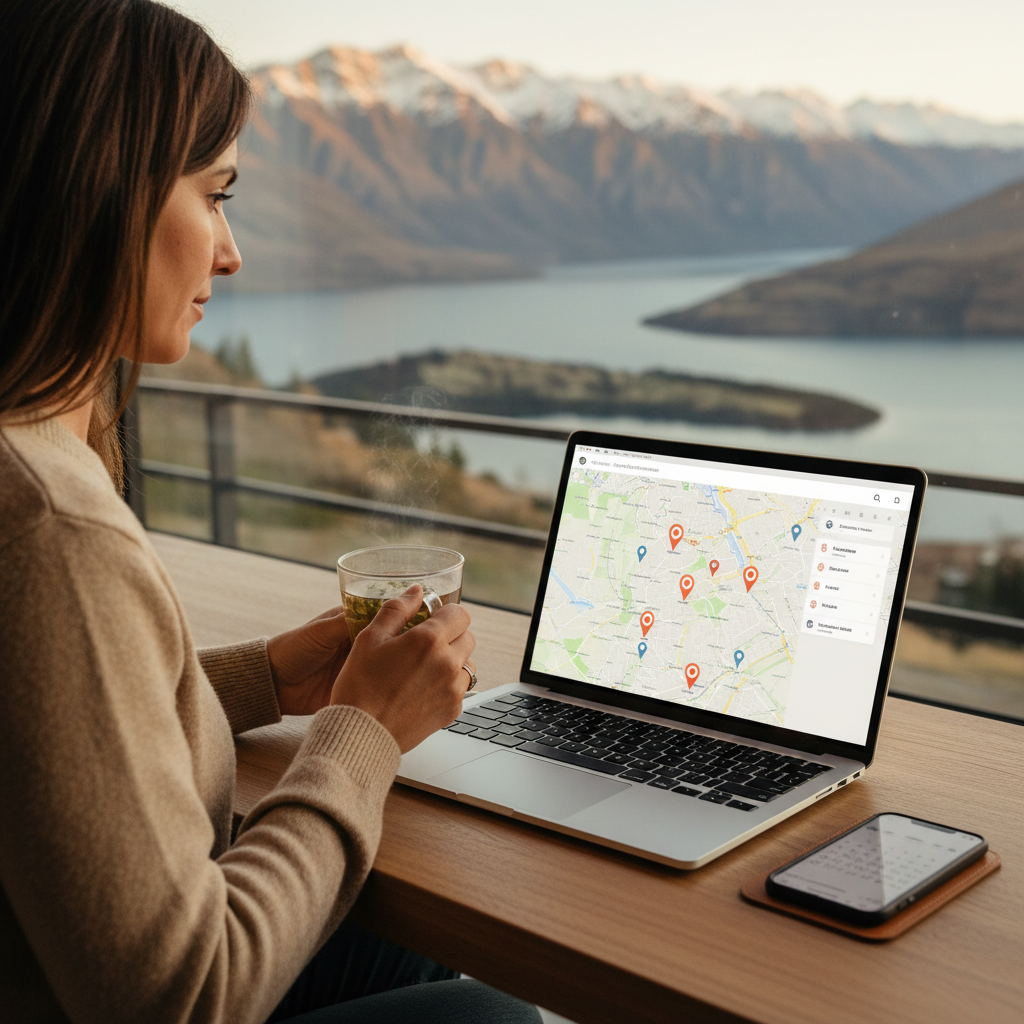
- 3–6 months out: book key stays in high-demand towns, and any “must-do” experiences that have limited daily capacity.
- 4–8 weeks out: refine your route, choose 1–2 anchor activities per region, leave open slots for weather pivots.
- On the ground: use local forecasts to swap hike days, scenic drives, and lake days.
Reality check: in peak season, you may still need earlier booking, especially if you want specific room types, holiday weekends, or a very tight route.
Safety, etiquette, and nature: what to do (and what not to do)
New Zealand feels relaxed, but outdoor risk is real when people treat it like a theme park. If you’re doing hikes, alpine viewpoints, or boat trips, keep a cautious mindset and adjust plans when conditions turn.
- Hiking: bring layers and rain protection even on “easy” tracks, conditions can shift fast.
- Water and weather: when warnings are posted, it’s usually smarter to pivot than to argue with the forecast.
- Wildlife and biosecurity: follow cleaning rules for shoes and gear when asked, it protects fragile ecosystems.
According to Department of Conservation (New Zealand), visitors should prepare for changing weather, stay on marked tracks, and make conservative calls when conditions deteriorate. If you have health concerns that affect hiking or altitude tolerance, it’s sensible to consult a medical professional before committing to strenuous days.
Action plan: build your trip in 60 minutes
If planning feels overwhelming, do this in one sitting, then stop tweaking.
- Pick your island strategy: one island (7–10 days) or both with a flight (14+).
- Choose two base towns you genuinely like, then add day trips instead of constant hotel changes.
- Mark “weather-sensitive” items like fjords, alpine hikes, glacier areas, then add one buffer day.
- Book the scarce pieces: peak-town lodging, one-way rentals if needed, and 1–2 must-do activities.
- Leave 20–30% open for spontaneous stops, recovery time, and plan B options.
Key takeaway: The best travel guide for new zealand is less about cramming highlights and more about protecting time, energy, and flexibility so the highlights actually feel good when you reach them.
Conclusion: a “best” guide is the one you can actually follow
If you keep your route realistic, respect weather, and book only what’s hard to replace, New Zealand tends to reward you with an easy rhythm, even on a first visit from the U.S. Pick one strong loop, add a buffer day, and let the country breathe a little.
If you want a next step, draft your island choice plus two base towns today, then start pricing flights and rentals around that skeleton rather than hunting for a perfect itinerary you’ll rewrite ten times.