
Best travel guide for croatia 2026 usually comes down to three things: picking the right islands and cities for your pace, timing your trip so you’re not battling crowds, and booking the few “hard to get” pieces early.
If you’re traveling from the U.S., Croatia can feel deceptively easy on paper, English-friendly, compact, safe in many situations, then you arrive and realize ferries, parking, old-town logistics, and seasonal pricing can quickly complicate a “simple” week.
This guide focuses on what tends to matter in real planning: where to base yourself, how many nights per stop, how to move between highlights, what to reserve ahead, and how to avoid common itinerary mistakes that burn time.
How to choose your Croatia style: islands, cities, or national parks
Croatia rewards clarity. If you try to do Dubrovnik, Split, three islands, and two national parks in seven days, you’ll spend more time in transit than enjoying the views.
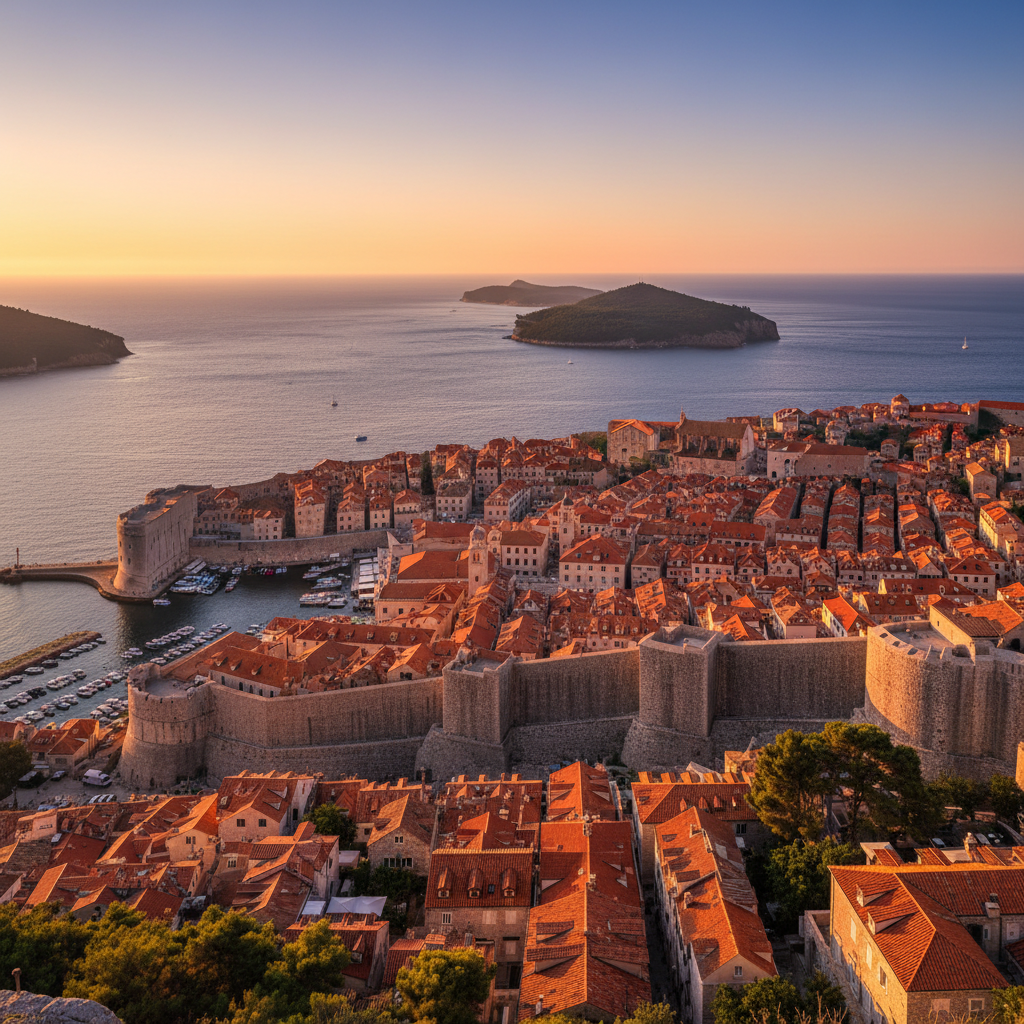
Most U.S. travelers end up happiest in one of these “trip shapes,” each with a different rhythm.
- Classic coast: Split + islands + Dubrovnik, with one short national-park day.
- Slow islands: Split (or Dubrovnik) + 2 islands, fewer hotel changes, more swim time.
- Culture-heavy: Zagreb + Istria (Rovinj/Pula) + Split, less crowd pressure than the far south.
- Nature-first: Plitvice + Krka + a coastal base, then add one island if time remains.
Key point: Croatia looks small, but summer traffic and ferry schedules make “distance” feel bigger than miles suggest.
When to go in 2026: what “best season” really means
People ask for one perfect month, but the better approach is matching weather to your tolerance for crowds and pricing. Shoulder season often wins for comfort and value, while peak summer wins for nightlife and warm water.
According to U.S. Department of State, travelers should review destination information and advisories before international trips, and keep plans flexible when conditions change.
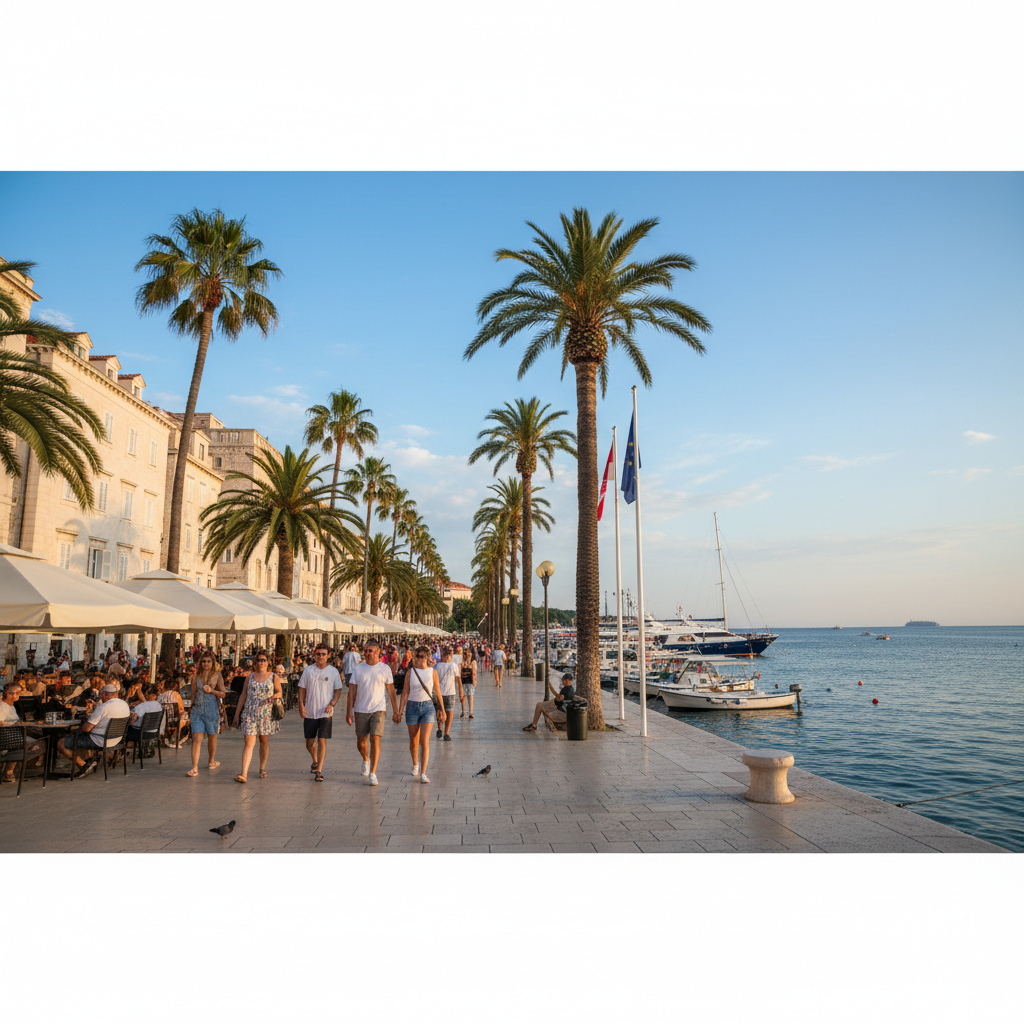
Use this as a practical cheat sheet:
| Time of year | What it’s best for | Trade-offs to expect |
|---|---|---|
| Apr–May | City walking, lower stress logistics | Sea may feel chilly, some tours run limited schedules |
| Jun | Warm weather with slightly fewer crowds than July | Prices start rising, popular ferries fill faster |
| Jul–Aug | Beach time, nightlife, busiest island scene | Crowds, heat, parking headaches, higher lodging costs |
| Sep–Oct | Great balance: warm water, calmer towns | Some island services taper late Oct |
If your goal is “easy,” not “maximum,” May, June, and September often feel like the sweet spot for this best travel guide for croatia 2026 approach.
Getting around: flights, ferries, buses, and the car-rental dilemma
Transportation is where most first-timers lose time. The good news: Croatia’s main tourist corridor is well served by ferries and buses, and you can often skip a car if you’re island-focused.
What works in many itineraries
- Fly open-jaw: arrive one city, depart another, so you don’t backtrack.
- Use ferries for islands: foot-passenger is simpler than car-ferry in peak months.
- Rent a car for nature days: national parks and smaller inland towns tend to be easier with a car.
According to Jadrolinija, sailing schedules and availability can vary by season, so confirm timetables close to your travel dates and avoid stacking tight connections on the same day.
Real-world tip: Old towns and waterfront zones are often car-unfriendly, so if you do rent a car, choose lodging with clear parking instructions and budget extra time to reach it.
Where to base yourself (and how many nights) without overpacking
A solid Croatia plan usually has 2–3 bases, not 5–6. You’ll see more by moving less, especially when check-in times and ferry departures control your day.
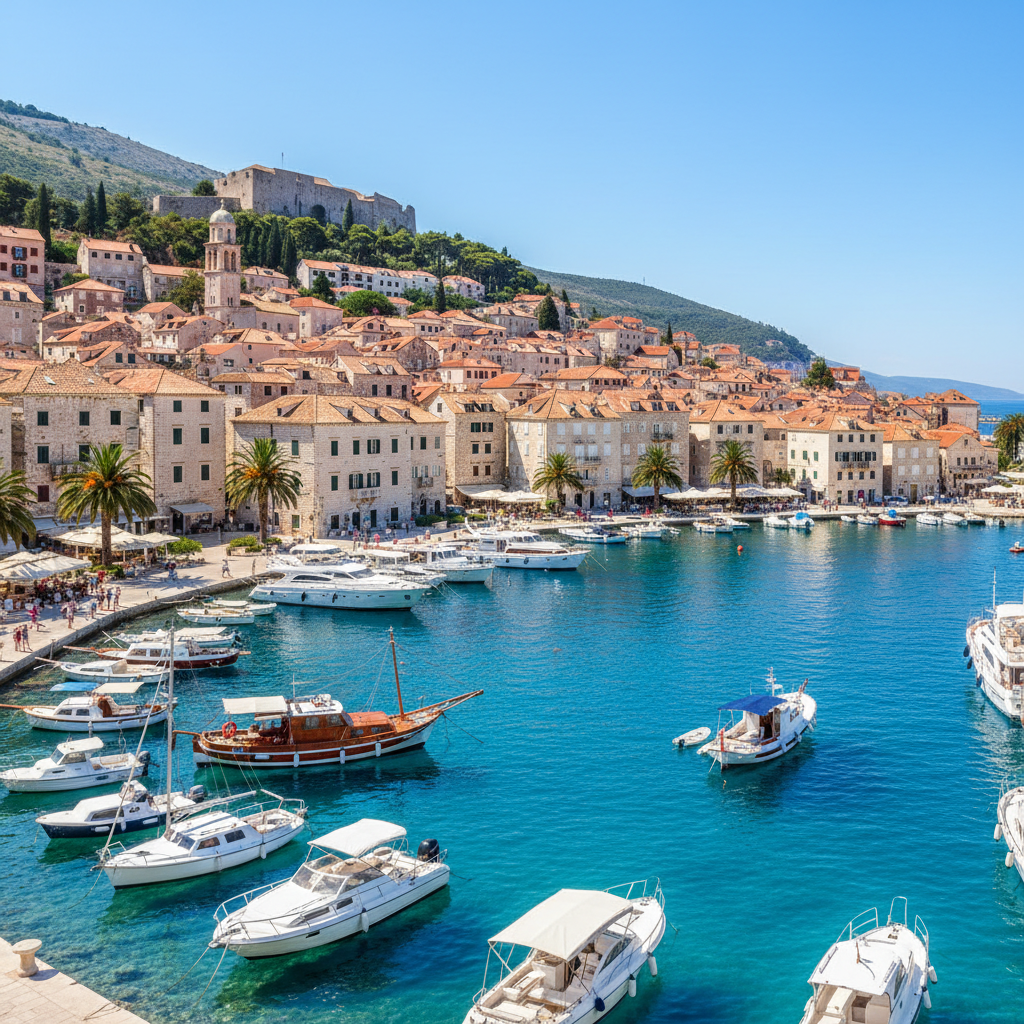
Typical base logic (adjust for your pace):
- Split (3–4 nights): day trips to Hvar, Brač, Trogir, and possibly Krka.
- Dubrovnik (2–3 nights): walls, neighborhoods, plus one day for Lokrum or nearby coast.
- Istria (2–4 nights): Rovinj base for food, beaches, and hill towns, with less “must-see” pressure.
- Zagreb (1–2 nights): worthwhile if you enjoy museums and cafe culture, or need an easy flight route.
Many people underestimate how satisfying it is to pick one island and actually stay put. Island-hopping sounds great, but luggage plus midday heat plus ferry queues can wear you down.
Sample 7–10 day itineraries (usable, not fantasy)
Below are two templates that fit common U.S. vacation windows. Treat them as structure, then swap islands based on what you care about: beaches, hiking, wineries, or nightlife.
7 days: Split + one island + Dubrovnik
- Days 1–3: Split base, one day trip (Trogir or Krka)
- Days 4–5: Island base (Hvar for buzz, Brač for beaches, Vis for quieter coves)
- Days 6–7: Dubrovnik, walls early morning, one relaxed neighborhood half-day
10 days: Istria + Split + Dubrovnik
- Days 1–3: Istria (Rovinj base), add a hill town or Pula depending on interests
- Days 4–7: Split base, one island overnight, one nature day if desired
- Days 8–10: Dubrovnik, plus a day for Lokrum or a guided sea-kayak outing if conditions allow
Key point: If you only have 7 days total including long-haul flights, you often get a better trip by skipping either Istria or Dubrovnik, not cramming both.
Budget and booking: what to reserve early vs. what to decide later
Costs in Croatia swing widely by month, exact location, and how close you stay to the waterfront. This best travel guide for croatia 2026 mindset is less about finding one “cheap” trick and more about avoiding expensive mistakes.
Usually worth booking ahead
- Key hotels/apartments in Dubrovnik and popular islands for peak months
- Popular day tours if you’re set on a specific itinerary or boat type
- Open-jaw flights once your route feels stable
Often safe to keep flexible
- Most restaurants outside the most famous terraces
- Short city tours and museum visits
- Extra beach days, which depend on weather and energy
If you’re price-sensitive, look at staying one neighborhood back from the old town gates, then walk in early morning and late afternoon when it’s cooler.
Practical safety and etiquette (the stuff no one wants to Google mid-trip)
Croatia is generally straightforward for U.S. travelers, but “safe” doesn’t mean “care-free.” Crowded summer spots invite petty theft, and coastal activities carry normal water risks.
- Heat and sun: mid-day touring can feel brutal in July and August, plan outdoor sights early, hydrate, and consider asking a medical professional if you have health concerns.
- Water activities: if you rent a scooter or join a boat tour, follow operator guidance and local rules, conditions change quickly on the Adriatic.
- Old town stairs: polished stone gets slippery, shoes matter more than people expect.
- Respect quiet hours: many coastal towns have residents who live inside the “tourist postcard,” keep voices down late.
According to CDC, travelers should review routine and destination-specific health guidance before international trips, especially if they have underlying conditions or need medication planning.
Action plan: build your itinerary in 60 minutes
If you’ve read this far, here’s the simplest way to turn ideas into a bookable plan without spiraling into tabs and spreadsheets.
- Step 1: Choose your “trip shape” and commit to 2–3 bases.
- Step 2: Lock your flight routing so you avoid backtracking.
- Step 3: Pick one island to sleep on, not just day-trip.
- Step 4: Reserve lodging with clear arrival and parking notes.
- Step 5: Add only one “must-do” tour, leave the rest weather-flexible.
Quick reality check: if your plan includes four ferries in three days, simplify it, your future self will thank you.
Conclusion: a smarter way to travel Croatia in 2026
The best trips here usually look calm on the calendar: a couple strong bases, one island you actually enjoy, and a few early starts that buy you quiet streets and better photos. If you want this best travel guide for croatia 2026 to work for you, decide what you’re willing to skip, then book the limited pieces first.
Your next move can be small: pick dates, choose Split or Dubrovnik as your anchor, then shortlist one island that matches your vibe. Once that’s set, everything else gets easier.