
best ski resorts for beginners 2026 is really a search for one thing: a first trip where you spend more time sliding and smiling than falling, hiking, or fighting crowds.
Most “beginner friendly” lists miss what actually makes a resort workable for new skiers, not just a green run on the map, but where that green run sits, how you access it, and whether you can progress without suddenly ending up on something scary.
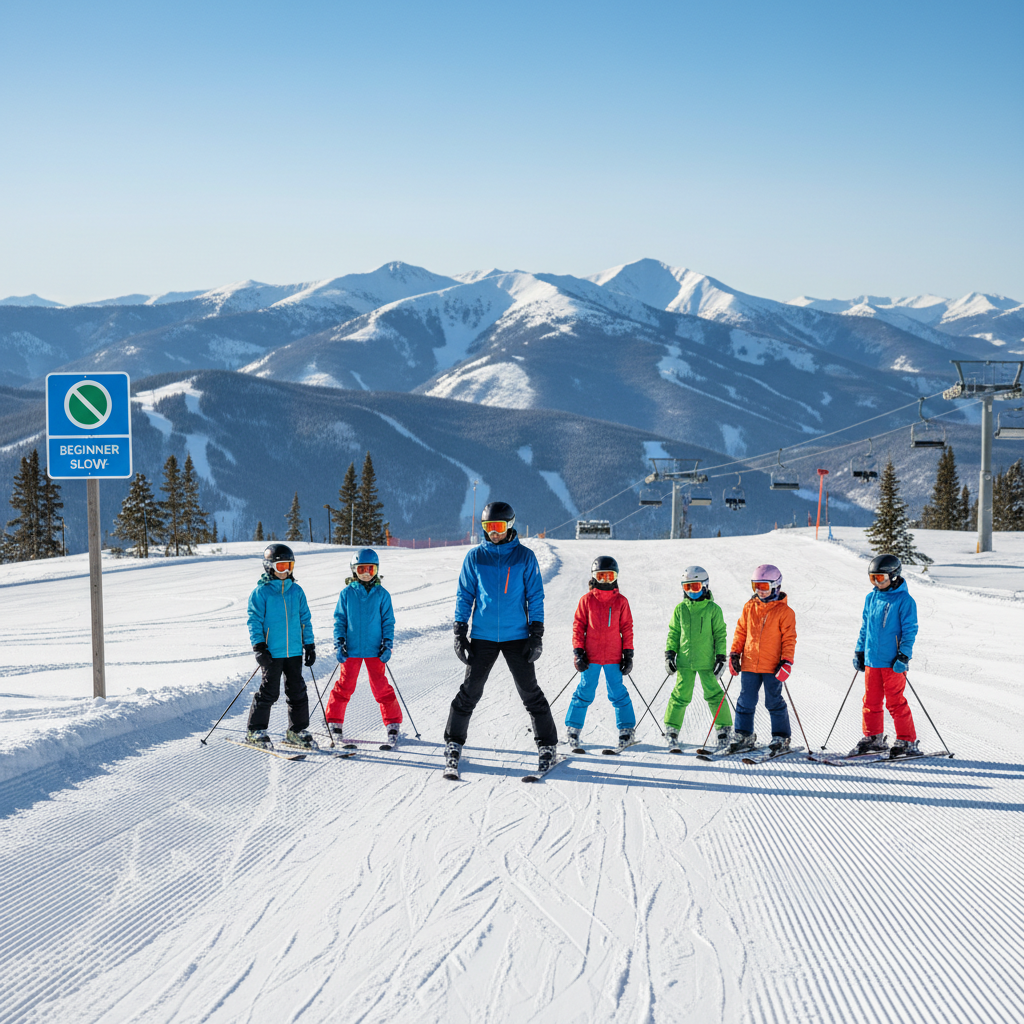
This guide focuses on practical filters: truly mellow terrain, beginner lifts that don’t feel like a rite of passage, lesson quality, and the “off-snow” stuff that can make a first weekend feel easy or exhausting. You’ll also get a quick comparison table and a simple checklist to pick what fits your budget and confidence.
What actually makes a resort good for beginners
A resort can advertise “great for beginners” and still feel rough if the learning zone sits mid-mountain, the green trails funnel into busy intersections, or the only way down after lunch is a long, crowded cat track.
- True learning terrain: wide, low-angle slopes near the base, with room to stop safely.
- Beginner lift access: surface lifts or slow detachable chairs that load and unload gently.
- Progression layout: multiple greens, then easy blues that don’t feel like a cliff edge.
- Snow reliability: consistent grooming matters more than powder on day one.
- Instruction ecosystem: lots of beginner group lessons, clear meeting points, rental efficiency.
- Low-stress logistics: parking, shuttles, base area simplicity, and fewer “gotchas” on trail signs.
According to the National Ski Areas Association (NSAA), skiing and snowboarding safety depends on following the Responsibility Code, which includes staying in control and knowing how to use lifts safely. For beginners, a resort that makes those basics easier is worth more than a famous name.
Quick comparison: beginner-friendly resorts (U.S. focused)
Use this table as a starting point, then confirm current lesson products, ticket rules, and lift/trail status on each resort’s official site because policies can change season to season.
| Resort | Why beginners tend to like it | Best for | Watch-outs |
|---|---|---|---|
| Keystone (CO) | Big learning areas, long gentle greens | Families, mixed-ability groups | Can feel busy on weekends |
| Breckenridge (CO) | Strong ski school, lots of groomed options | First-timers who want a “real” mountain town | Altitude can feel challenging for some |
| Park City (UT) | Huge terrain, many greens, easy access town-to-lift | Convenience seekers, groups | Size can overwhelm without a plan |
| Beaver Creek (CO) | Polished service vibe, comfortable learning zones | Low-stress learning, comfort priorities | Often pricier overall |
| Smugglers’ Notch (VT) | Family-first instruction, beginner areas | Families, lesson-heavy trips | Access roads and winter driving matter |
| Okemo (VT) | Grooming reputation, friendly cruising | East Coast first-timers | Weather can shift quickly |
| Northstar (CA) | Approachable village, steady beginner progression | Lake Tahoe trips, comfort + lessons | Holiday crowds, parking logistics |
| Big Sky (MT) | Space to learn, less congested feel | People who hate crowds | More spread out, plan meeting points |
Best ski resorts for beginners 2026: top picks by scenario
If you’re trying to choose from the “best ski resorts for beginners 2026” lists, pick based on your real constraint: budget, fear factor, crowds, or how quickly you want to progress. Here are scenario-based picks that usually map better to first trips.
If you want the easiest learning curve (wide greens, clear progression)
- Keystone (Colorado): big beginner footprint, lots of room, and a clear path from learning zone to longer greens.
- Okemo (Vermont): frequently recommended for grooming and cruisy terrain that stays approachable.
- Northstar (California): resort layout and village setup tend to reduce friction for rentals, lessons, and regrouping.
If you’re traveling with kids or a mixed-ability group
- Park City (Utah): convenient base access and a huge range of terrain so stronger skiers can peel off without abandoning beginners.
- Smugglers’ Notch (Vermont): often associated with family programming and instruction focus.
- Breckenridge (Colorado): good for a “ski trip vibe” where non-ski moments still feel fun for everyone.
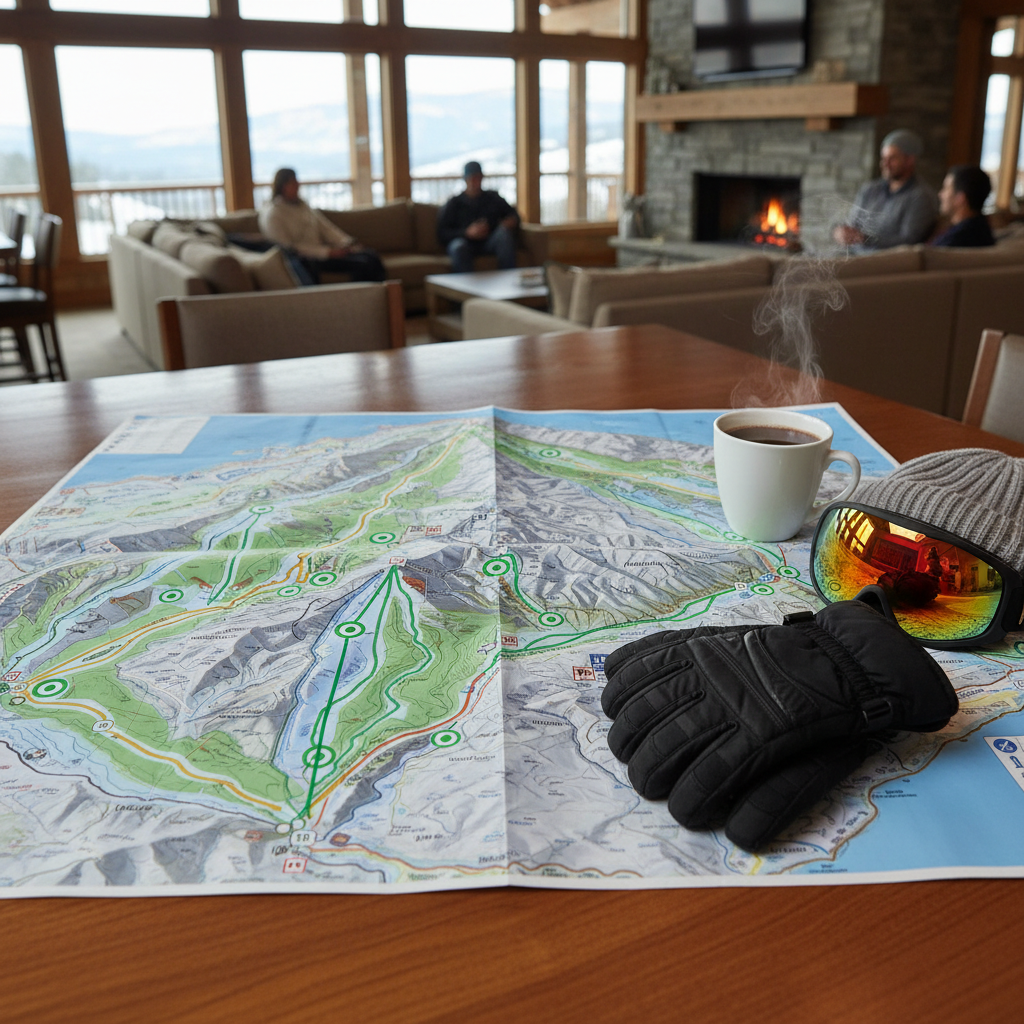
If you prioritize comfort and “low stress” over saving money
- Beaver Creek (Colorado): known for a polished experience, which can matter when you’re already managing new-skill fatigue.
- Northstar (California): village-forward setup often makes breaks, meetups, and logistics simpler.
If you hate crowds and want space to practice
- Big Sky (Montana): tends to feel spread out, so you can repeat a run without constant traffic.
- Smugglers’ Notch (Vermont): depending on dates, it can feel less “mega-resort frantic” than some alternatives.
A quick self-check before you book (it saves money)
Before you commit, ask yourself a few blunt questions. People often blame the resort when the real mismatch is expectations, fitness, or schedule.
- Are you truly brand new? If yes, prioritize base-area learning zones and short lift lines over “epic” terrain.
- How many days will you ski? One day means you want easy logistics; three days means progression terrain matters more.
- Do you get anxious with speed? Look for resorts with long, gentle greens, not just a tiny bunny hill.
- Do you need childcare or kids’ lessons? Not every ski school experience feels the same, confirm what’s included.
- What’s your tolerance for winter driving? If it’s low, choose an easy airport transfer and a walkable base.
One more practical thing: if altitude tends to bother you, a high-elevation trip might feel harder than it should. That’s not a character flaw, it’s physiology, and you may want to pace day one or ask a clinician if you have specific health concerns.
How to plan your first ski trip in 2026 (simple steps)
You can absolutely wing a ski weekend, but beginners get better results with a tiny bit of structure, mainly around lessons and timing.
1) Buy the lesson before you buy the lift ticket
Many resorts bundle beginner lessons with rentals and lift access on beginner lifts. That bundle can be a better deal than buying à la carte, and it reduces decision fatigue at the window.
2) Pick the right dates, not just the right resort
- Midweek often means quieter slopes and more attentive instruction.
- Avoid holiday peaks if you’re nervous, crowds can make learning feel chaotic.
- Early season can be fine, but check what beginner terrain is actually open.
3) Rent gear strategically
For many first-timers, renting in-resort is simplest because swapping boots matters. If you rent offsite to save money, confirm return times and fit support so you don’t lose half your morning fixing issues.
4) Build a “beginner day” routine
- Arrive early so rentals and parking don’t spike stress.
- Do one lesson block, then repeat the same easy run to lock in control.
- Take breaks before you get exhausted, fatigue increases falls.
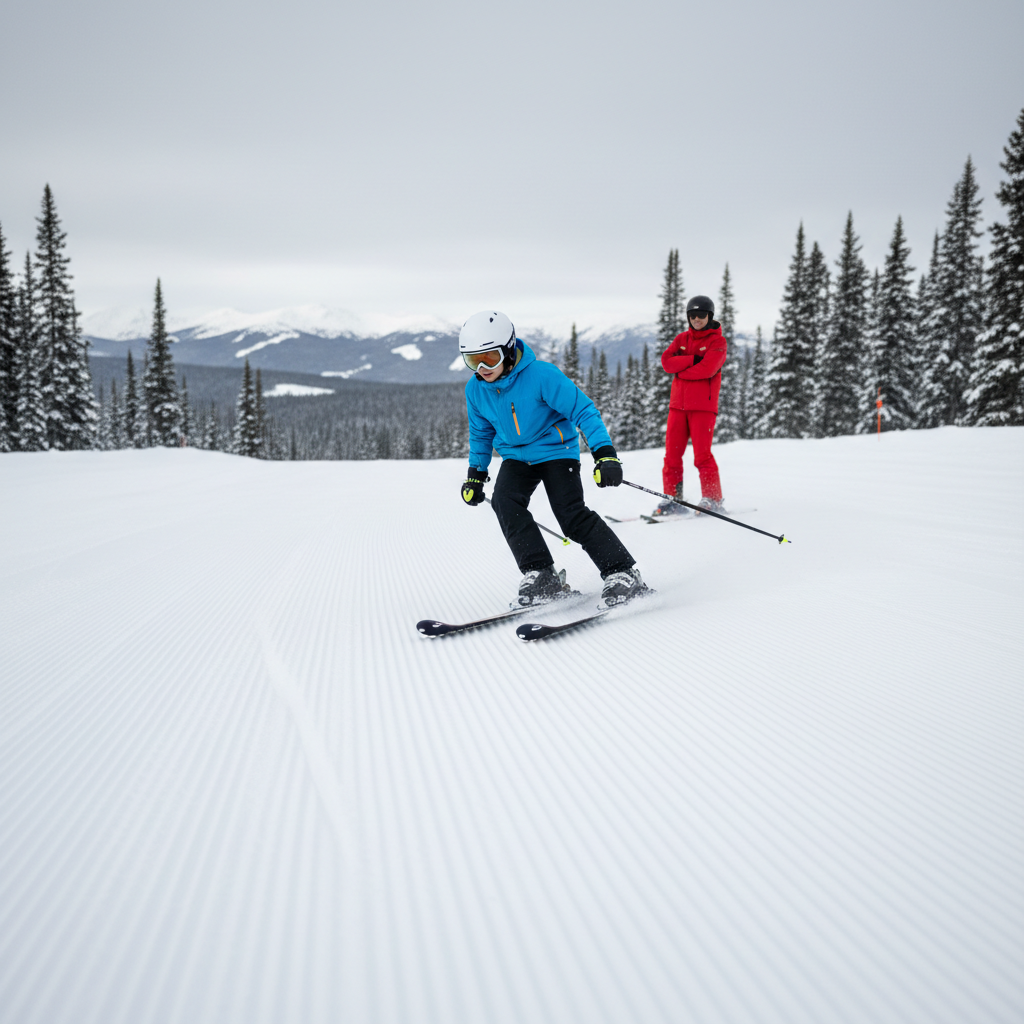
Safety and comfort: what matters more than “hardcore” gear
On a first trip, the safest skier is usually the one who stays warm, hydrated, and calm enough to make good decisions. According to the National Ski Patrol (NSP), slope safety is a shared responsibility and includes being able to stop or avoid others, so comfort and control aren’t optional.
- Helmet: strongly recommended; get one that fits without pressure points.
- Goggles: choose a lens appropriate for conditions so you can see terrain changes.
- Boot fit: snug heel hold matters, but numb toes mean it’s too tight.
- Layering: avoid cotton, keep it simple, bring dry gloves if you can.
If you have prior knee, back, or balance issues, consider asking a medical professional what’s reasonable, and tell your instructor on day one so they can adjust drills.
Common mistakes beginners make when choosing resorts
- Picking a resort for nightlife only: fun matters, but you still need terrain that lets you progress without panic.
- Assuming “green” always means easy: greens vary by region and even by weather, an icy green can feel harder than a soft-snow blue.
- Overbuying access: if you won’t leave beginner zones, a cheaper ticket product might exist.
- Skipping lessons to save money: many people spend more fixing bad habits later, or they quit early because it feels miserable.
- Not planning regroup points: big resorts can separate groups fast, pick landmarks before you ride up.
Key takeaways (keep this in your notes)
- Beginner-friendly means base-area learning terrain, gentle lifts, and easy progression, not just a green line on a map.
- For many travelers, date selection affects the experience as much as the mountain choice.
- When comparing the best ski resorts for beginners 2026, prioritize lessons, grooming, and low-stress logistics, you’ll learn faster.
- If you feel anxious, choose a resort with multiple long greens and a clear path to easy blues.
Conclusion: pick the resort that reduces friction
The best ski resorts for beginners 2026 aren’t necessarily the flashiest, they’re the ones that keep your first two days simple: easy terrain, clear wayfinding, a ski school that runs smoothly, and a base area where you can reset when your legs get tired.
Your next move is straightforward: shortlist two or three resorts, verify beginner lesson packages and which beginner lifts are included, then book the lesson early for your preferred time slot.
If you want, tell me your home airport, budget range, and whether you’re skiing one day or a long weekend, and I can help narrow the list to options that fit your trip style.