
Plateau travel destinations are often the easiest way to get “big sky” views without needing technical hiking, but picking the wrong one can mean haze, crowds, or a drive that eats your whole trip. This guide narrows the options to places that consistently deliver wide horizons, plus the practical details people usually wish they’d checked earlier.
Plateaus sound similar on paper, yet the experience varies a lot, altitude, weather patterns, permits, and road access can make the same “overlook” either a relaxing sunset spot or a stressful logistics puzzle. A little planning turns these landscapes into the kind of trip that actually feels spacious.
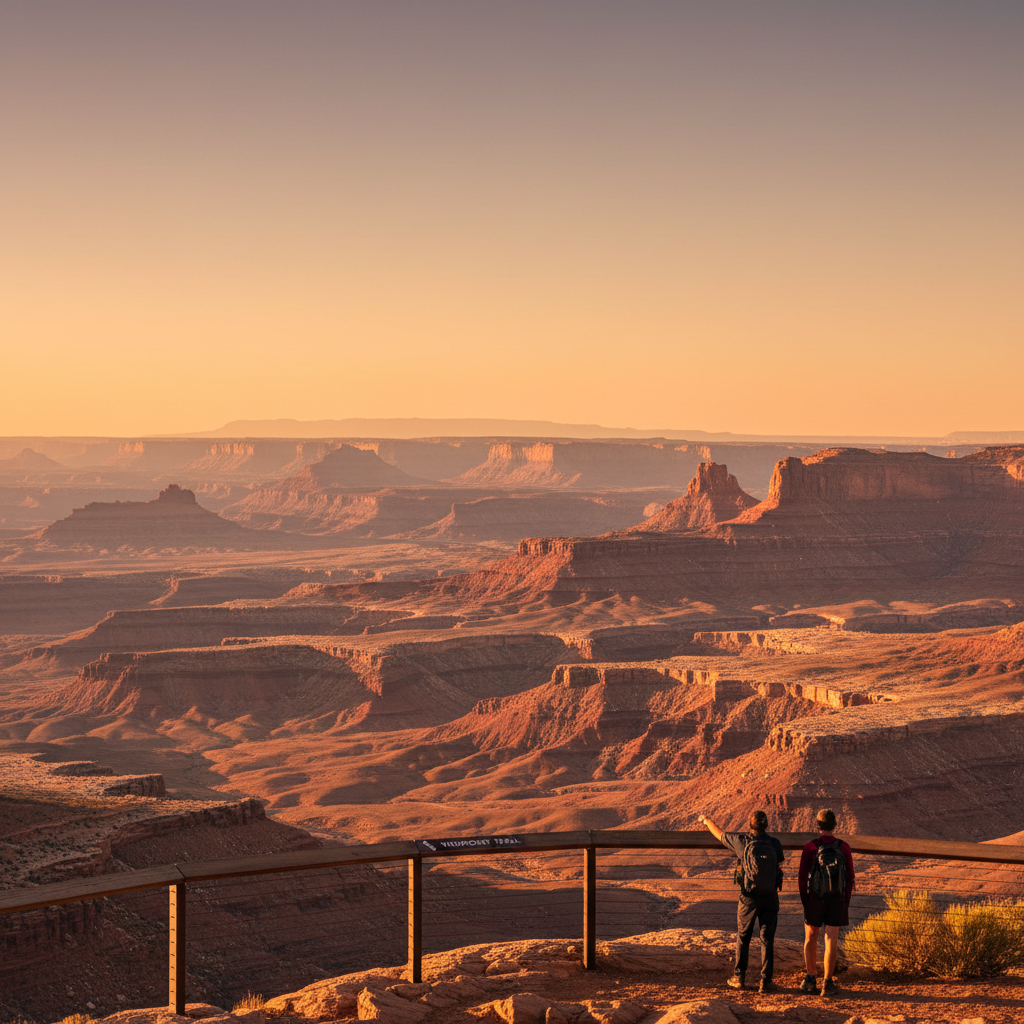
Along the way, you’ll get a quick self-check to match destinations to your comfort level, a shortlist of plateau regions worth a flight or long drive, and a simple packing and timing plan so the views look like the photos.
What counts as a “plateau” trip, and why wide views feel different here
For travel planning, a plateau is less about a geology lesson and more about the experience: you’re on a broad, elevated surface with long sightlines, fewer visual obstructions, and a sense of openness that mountains and canyons don’t always give. It’s the difference between looking up at peaks and looking out across distance.
Wide views usually come from three ingredients: elevation, exposure, and a lack of tall vegetation or buildings. That exposure also brings the trade-offs, wind, sudden storms, stronger sun, and big temperature swings, especially in the high desert.
According to the National Park Service, weather and road conditions can change quickly in many park units, and checking official alerts before you drive out is one of the simplest ways to avoid arriving to closed roads or unsafe conditions.
How to choose plateau travel destinations without guessing
Most people don’t need more options, they need a filter. Before you pick from a list, decide what “wide views” means for your trip: easy overlooks, short trails, multi-day hikes, or scenic drives with frequent stops.
A quick self-check (pick what fits)
- Time window: weekend, 4–5 days, or a full week with driving days built in
- Driving tolerance: comfortable with long rural stretches, or prefer compact routes and nearby lodging
- Altitude comfort: sensitive to elevation, or fine above 8,000 feet (if unsure, go slower and consider asking a clinician)
- Trail style: viewpoints from the car, 1–3 mile walks, or longer hikes
- Season you can travel: shoulder seasons often look best, but weather can be less predictable
If you want the simplest win, prioritize plateau areas with multiple overlooks close together. It reduces the risk of “one viewpoint, one chance,” especially when smoke or clouds roll in.
Standout plateau regions for wide views (U.S. favorites)
Here are plateau travel destinations and regions that tend to reward you quickly, even if you’re not building a complex itinerary. I’m focusing on places where the plateau feeling is obvious, big horizons, layered distances, and light that changes fast.
Colorado Plateau (AZ/UT/NM/CO)
- Why it works: iconic open vistas, dramatic color, lots of established viewpoints
- Best for: first-timers, photographers, scenic drives
- Watch for: heat in summer, crowded corridors, some areas require permits or timed entry
Think Grand Canyon South Rim overlooks, the high country around Bryce Canyon, and the broad, layered viewpoints you get near Monument Valley. Even with minimal hiking, the scale reads instantly.
Kaibab Plateau & North Rim area (Northern Arizona)
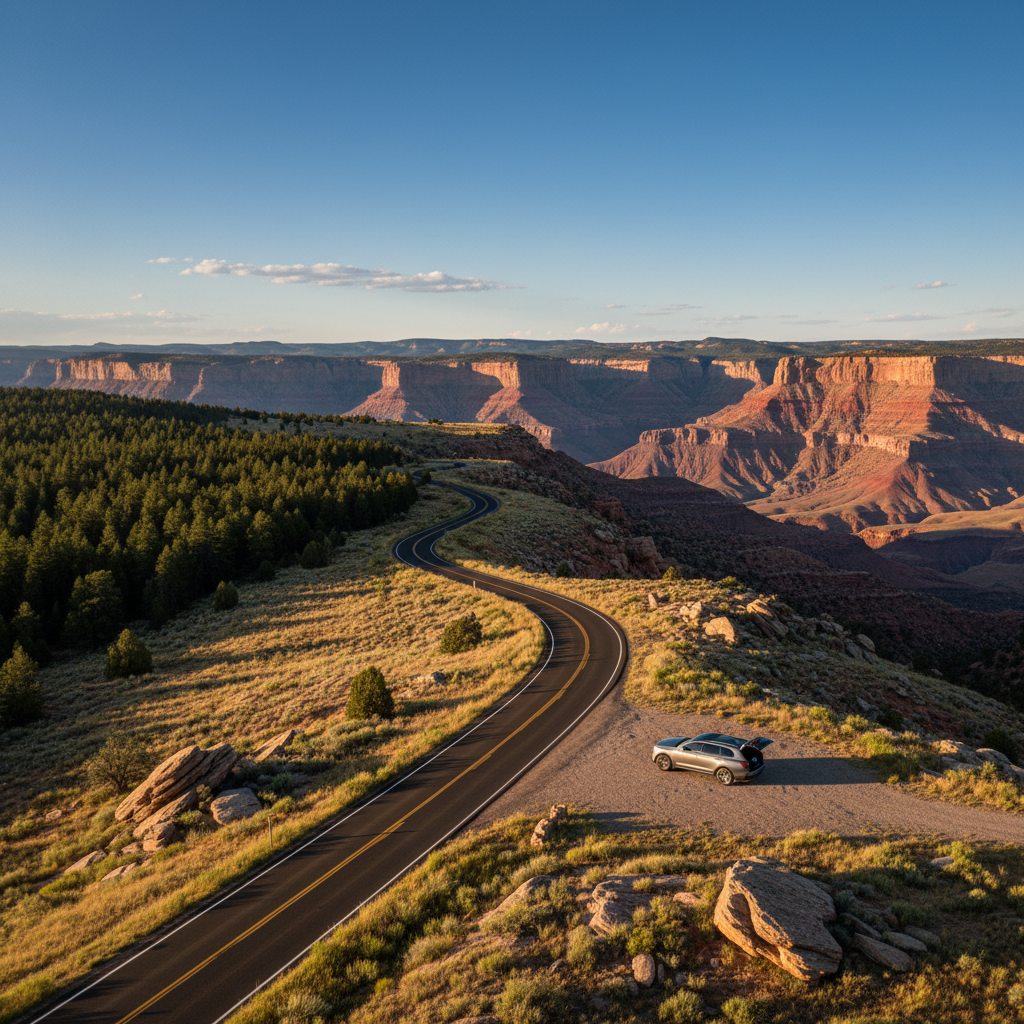
- Why it works: cooler pine forest plateau feeding into huge canyon edges
- Best for: travelers who want fewer crowds than the South Rim
- Watch for: seasonal road access and services that may be limited
This is a good “wide views plus quiet” pick, but it’s less forgiving if you show up without checking what’s open.
Columbia Plateau (Washington/Oregon)
- Why it works: open basalt landscapes, river canyons, big-sky sunsets
- Best for: spring road trips, waterfall and gorge pairings
- Watch for: wind, variable river conditions, and seasonal wildfire smoke in some years
If the Southwest is too hot for your travel dates, this is an underrated alternative for wide-open feeling, especially when the light hits the rolling terrain and river bends.
Allegheny Plateau (PA/WV/NY)
- Why it works: forested plateaus with deep overlooks, fall color can be excellent
- Best for: East Coast weekenders who want views without flying west
- Watch for: views can be more “layered forest” than “desert horizon,” so pick known overlooks
This is the practical pick when you want plateau scenery but also want towns, shorter drives, and a softer weather profile.
A simple comparison table (so you can pick fast)
Use this as a starting point, then confirm road status and permit rules for the exact sites you plan to visit.
| Region | “Wide view” style | Best season (often) | Effort level | Main planning risk |
|---|---|---|---|---|
| Colorado Plateau | Open desert horizons, big overlooks | Spring/Fall | Low–Medium | Crowds, heat, timed entry/permits |
| Kaibab Plateau / North Rim | Cooler plateau + massive canyon edges | Late spring–early fall | Low–Medium | Seasonal access, fewer services |
| Columbia Plateau | Basalt plains, river canyons | Spring/Early summer | Low | Wind, smoke in some years |
| Allegheny Plateau | Forested ridges, overlooks, valleys | Fall | Low | Overlooks can be tree-blocked if you pick wrong spots |
Practical itinerary building: 3 steps that save the trip
With plateau travel destinations, the failure mode is predictable: you underestimate driving time, you arrive at midday light, and you realize the best viewpoint needs a reservation. Fix those three and your odds improve a lot.
Step 1: Anchor each day around light, not miles
- Pick one sunrise spot and one sunset spot per day, then fill the middle with shorter stops
- If you only do one “golden hour,” choose sunset, it’s easier to recover from a slow morning
Step 2: Design a “two-viewpoint minimum” day
- Choose destinations where you can pivot if one overlook is hazy or crowded
- Mix a famous viewpoint with a backup that’s closer to your lodging
Step 3: Confirm access rules early
- Check for timed entry, shuttle seasons, and road closures
- According to the U.S. Forest Service, conditions in national forests can change due to weather and fire activity, so official notices matter for both access and safety
What to pack and how to stay comfortable on exposed plateaus
Plateau comfort is mostly about exposure management. Wind and sun do more damage to your mood than you expect, and temperature drops can feel sharp once the sun slides low.
Core packing checklist
- Sun protection: hat, sunglasses, sunscreen, lip balm
- Layers: light insulating layer and a wind-resistant shell
- Water plan: more than you think you need, plus a backup bottle in the car
- Footwear: grippy shoes for slickrock, gravel, or muddy shoulder-season trails
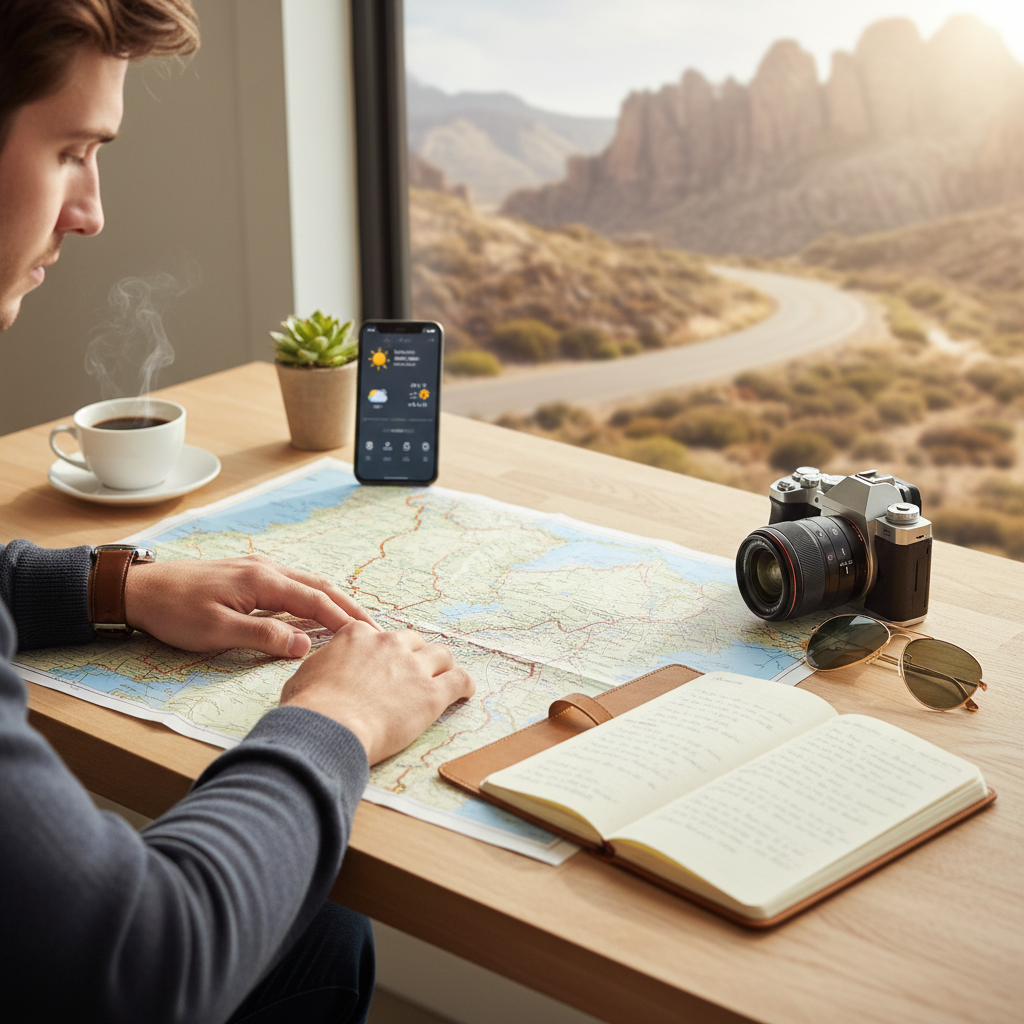
- Navigation: offline maps, since service drops in many plateau areas
If you’re traveling at higher elevation, some people feel headache or shortness of breath. That can be mild, but if symptoms worry you or don’t improve with rest and hydration, it’s smart to seek medical advice.
Common mistakes that make wide views feel underwhelming
- Only visiting midday: harsh light flattens the scene, especially in desert terrain
- Overloading one day: the “big views” stop feeling special when you’re racing the clock
- Ignoring wind: it can make overlooks unpleasant and can affect drone use where allowed
- Skipping the boring checks: road conditions, closures, and permit rules are the difference between a plan and a story
Also, don’t assume every plateau viewpoint is wheelchair- or stroller-friendly. Many are, but the last stretch can be uneven rock or sand, so it’s worth verifying for your exact stop.
Key takeaways before you book
- Pick for season first, then choose the plateau region that matches your weather tolerance
- Build days around sunrise/sunset, wide views often look “right” only when the light cooperates
- Have a backup overlook so smoke, clouds, or crowds don’t ruin the day
- Check official alerts for closures and access rules right before you drive out
If you do nothing else, choose one plateau base town, limit daily driving, and commit to at least one golden-hour viewpoint. That’s the simplest formula that tends to work.
FAQ
What are the best plateau travel destinations for first-time visitors?
The Colorado Plateau is usually the easiest first pick because you can combine scenic drives with short walks and still get huge vistas. If you want fewer crowds, the North Rim area can be great when open.
How many days do I need to enjoy wide views on a plateau?
A long weekend can work if you stay close to your main viewpoints. For flights and bigger loops, 4–6 days feels more relaxed because you can plan around weather and still catch sunrise or sunset.
Are plateau trips safe for families with kids?
Many plateau overlooks are family-friendly, but exposure and cliff edges change the risk profile. Keep kids close at viewpoints, avoid walking backward for photos, and follow posted barriers and warnings.
When is the best time of year for plateau scenery and photos?
Often it’s shoulder season, spring and fall, because temperatures are more comfortable and light can be excellent. In any year, wildfire smoke or storms may affect visibility, so stay flexible.
Do I need permits for popular plateau viewpoints?
Sometimes, yes, especially in high-demand national parks or for certain hikes. Check the official park or land manager site for your specific dates, rules can change by season.
How do I avoid crowds at famous overlooks?
Arrive early, stay late, or visit on weekdays when possible. Another reliable strategy is choosing one marquee viewpoint, then spending more time at lesser-known overlooks nearby.
What’s the biggest planning mistake with plateau road trips?
Underestimating driving time between “close on the map” stops. On plateaus, roads may be indirect, speed limits lower, and stops more tempting, so padding your schedule usually pays off.
If you’re building a plateau itinerary and want it to feel smooth, not rushed, start with your travel dates and your comfort with driving and elevation, then choose a region that matches. If you’d rather not juggle alerts, permits, and backup viewpoints, a simple pre-built route plan can save time while still keeping the trip flexible.