
Luxury travel on budget is less about finding a “secret deal” and more about stacking a few smart choices so the trip feels premium without the premium price tag.
If you’ve ever priced out a “nice” hotel, a lie-flat seat, or a private tour and immediately closed the tab, you’re not alone. The good news is that luxury is often a bundle of small details—quiet rooms, great locations, thoughtful service, lounge access, a standout meal—so you can target what matters and skip the rest.
This guide breaks down what actually moves the needle on a mid-level budget, how to spot fake “luxury” markups, and what to book first so you don’t spend more just because you booked late.

What “luxury” really means when you’re not spending like a celebrity
On a mid budget, luxury works best when you define it. Otherwise, you end up paying for expensive categories that don’t improve your experience much.
Try this quick reframing: luxury equals comfort + convenience + a few memorable moments. You can buy those selectively.
- Comfort: better sleep (room quality, bedding, noise), better transit (timing, seat choice), fewer stressful connections.
- Convenience: walkable location, late checkout, private transfers only where they matter.
- Memorable moments: one “signature” meal, one special tour, one upgrade that feels indulgent.
Once you know which of these you care about most, luxury travel on budget becomes a planning problem you can solve, not a price wall you can’t.
Why luxury gets expensive fast (and where the markups hide)
Many “luxury” prices come from predictable patterns, not higher real value.
- Peak dates and weekend bias: Thursday–Sunday nights and school breaks often inflate rates.
- Location premiums: the same room quality can cost far more if it’s 6 minutes closer to a landmark.
- Bundled extras you won’t use: breakfast you skip, resort credits with tight rules, “VIP” perks that are mostly marketing.
- Last-room and last-seat pricing: inventory gets scarcer, and pricing tends to punish late planners.
- Transfer and tour commissions: hotel-arranged cars and tours can be convenient, but markups are common.
According to the U.S. Department of Transportation (DOT), airfare pricing and fee disclosure can vary by airline and itinerary, so reading fare rules and total price breakdowns before paying matters more than people think.
A quick self-check: which “mid-budget luxury” traveler are you?
Pick the closest match. Your strategy should change depending on what you value.
- The Sleep-Maximizer: you’d rather have a great room than a fancy itinerary.
- The Food-and-Drink Person: you want one exceptional meal and a few great bars or tastings.
- The Efficiency Seeker: you pay to reduce friction—better flight times, fewer connections, great location.
- The Experience Collector: you want private guides, small-group tours, unique access.
- The Occasional Splurger: you’re fine going simple most days, then going big once.
If you’re unsure, look at your last trip: what annoyed you most, and what made you say “worth it”? That’s your luxury lever.

Hotel strategies that feel expensive (even when the rate isn’t)
Hotels are where most mid-budget travelers can create the biggest “luxury gap” without blowing the plan.
Book the “right cheap” room, then upgrade the experience
- Prioritize quiet: request high floor, away from elevators, and away from street-facing rooms if you’re a light sleeper.
- Pay for location over square footage: a smaller room in the right neighborhood can save you rideshares and time.
- Upgrade checkout, not category: late checkout can change the entire last day and sometimes costs less than a room jump.
Use timing to your advantage
- Shoulder season often delivers the best value: fewer crowds, better service bandwidth, lower rates.
- Sunday–Tuesday can be surprisingly strong in many cities, especially where business travel drives weekday pricing.
Chase benefits you’ll actually use
Breakfast included is only a “deal” if you eat it. Same with resort credits or parking. A helpful rule: if a perk requires effort to redeem, treat it as a bonus, not a reason to book.
According to AAA, travelers should compare total trip costs (including fees and add-ons) rather than headline rates, which is exactly where many “luxury” hotel offers try to look cheaper than they are.
Flights: where to spend, where to save, and how to upgrade without overpaying
Most people overspend on the wrong part of the flight. The goal is to reduce misery, not necessarily buy the highest cabin.
Spend for the flight that impacts your body the most
- Overnight or ultra-long-haul flights: consider premium economy, extra-legroom, or a paid upgrade bid if available.
- Short daytime segments: economy can be fine if timing is good and you avoid brutal connections.
Make “premium” happen with smarter choices
- Fly one cabin up on one direction: upgrade the outbound for energy, or the return for recovery.
- Pick better schedules: nonstop and humane departure times can feel like luxury, even in the same seat.
- Watch total cost: sometimes a slightly higher fare class reduces bag fees and seat fees.
According to Transportation Security Administration (TSA) guidance, arriving early and following security rules reduces travel friction; it’s not glamorous, but it can be the difference between a calm airport experience and chaos, especially in peak periods.
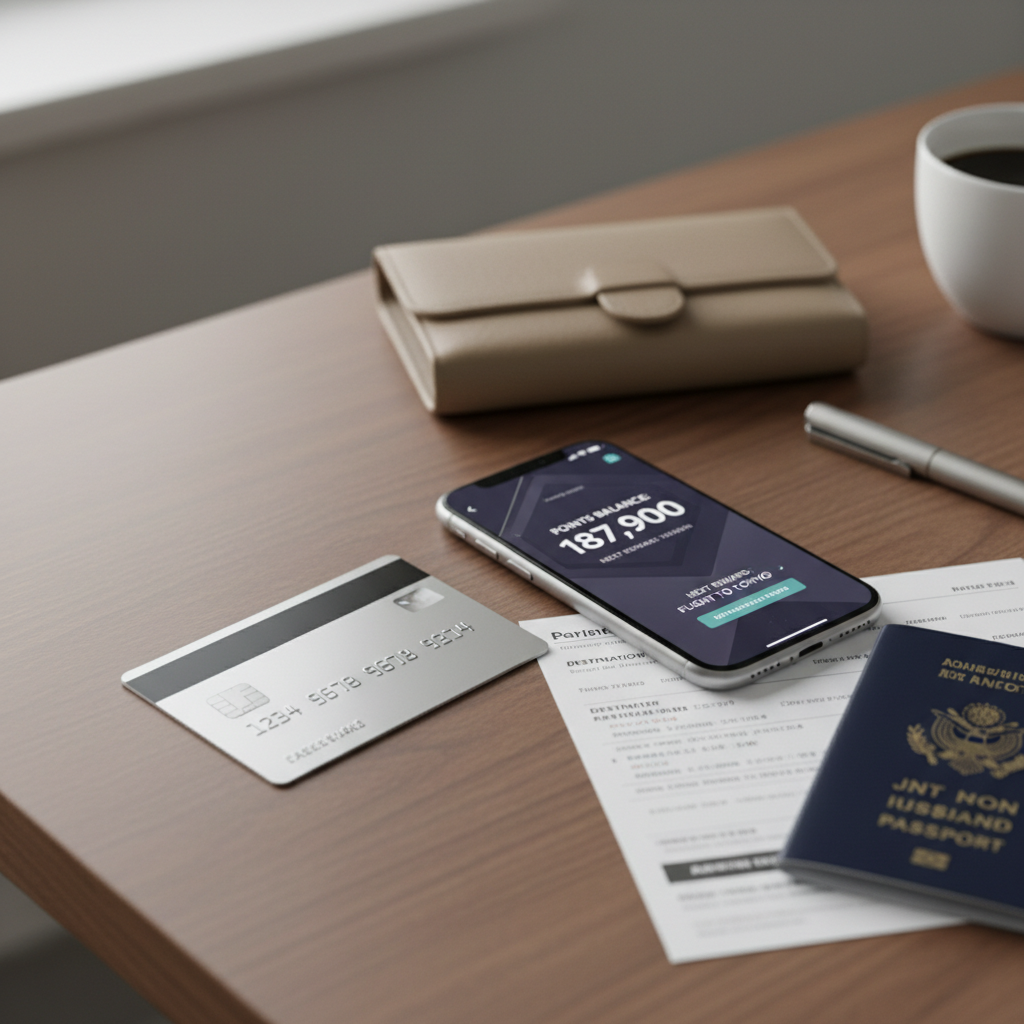
Points, perks, and “soft luxury”: the mid-budget multiplier
This is where luxury travel on budget can get surprisingly real, but only if you stay organized.
Use points for high-value redemptions
- Hotels: points can shine during high cash-price nights, when taxes and fees are also steep.
- Flights: look for award seats early; availability often matters more than theoretical “best value.”
Perks that feel luxurious even when they’re small
- Airport lounge access: useful if you actually spend time at the airport; less useful on tight connections.
- Breakfast credits: great in expensive cities where a simple meal adds up.
- Room upgrades: never guaranteed, but status and off-peak stays improve the odds.
One caution: chasing points can tempt overspending. If you’re carrying credit card balances or paying interest, the math often flips. For personal finance specifics, it may help to talk with a qualified financial professional.
A practical 3-tier plan: where your money should go first
If you only take one thing from this article, take this: spend money where it reduces stress and protects your energy, then add one memorable splurge.
| Priority | Spend On | Why It Feels Luxurious | Budget-Friendly Alternatives |
|---|---|---|---|
| Tier 1 | Great location, quiet room, sane flight schedule | Less time commuting, better sleep, fewer disruptions | Smaller room, fewer hotel amenities, one-stop flight |
| Tier 2 | One upgrade: premium economy, lounge, or late checkout | Tangible comfort boost without paying for everything | Extra-legroom seat, day pass when practical, negotiate checkout |
| Tier 3 | One “signature” experience: tasting menu, private guide, spa | Creates the story you remember | Lunch instead of dinner tasting, small-group tours, off-peak spa times |
Common mistakes that quietly ruin “affordable luxury”
These are the traps that make people feel like they spent a lot and still didn’t get luxury.
- Upgrading everything a little instead of upgrading one thing a lot, scattered spend rarely feels premium.
- Paying for amenities you won’t touch, especially resort-style bundles in city hotels.
- Ignoring total costs: taxes, resort fees, parking, and transfers can erase a “deal.”
- Over-optimizing points: if it takes hours of stress to save $60, it might not be worth it.
- Booking nonrefundable too early when your dates are shaky, flexibility can be a luxury by itself.
Actionable booking checklist (use this before you pay)
Run this list once for flights and once for hotels. It keeps the plan grounded.
- Define your luxury lever: sleep, food, efficiency, experiences, or one splurge.
- Confirm total price: include taxes, resort fees, seat fees, bags, transfers.
- Check cancellation terms: especially if weather or work could affect plans.
- Validate location: map walking time to what you’ll do most days.
- Request the right room: quiet, high floor, away from elevator, early check-in notes if needed.
- Plan one signature moment: book it early, then build the rest around it.
When you use this approach consistently, luxury travel on budget stops being a gamble and starts feeling repeatable.
Conclusion: make it feel luxurious by designing the trip, not just buying it
Mid-budget luxury comes from focus. Nail the basics that protect your time and energy, then pick one or two upgrades that you’ll actually notice, and skip the “looks fancy on paper” add-ons.
If you want a clean next step, choose your Tier 1 items today, then decide on one Tier 2 upgrade and one Tier 3 experience, that combination usually creates a trip that feels far more expensive than it is.
Key takeaways
- Luxury is selective: define what “premium” means for you before you book.
- Location + sleep often beat bigger rooms and more amenities.
- Upgrade one thing instead of sprinkling small upgrades everywhere.
- Total cost matters: fees and add-ons can quietly break the budget.
FAQ
How can I do luxury travel on budget without using credit card points?
Focus on timing and selection: shoulder season, midweek stays, and paying for a great location can create a premium feel even with cash bookings. Then add one memorable experience instead of upgrading everything.
Is it better to spend more on a hotel or on flights for a luxury feel?
It depends on your trip length and flight duration. For short trips, a great hotel location and quiet room often improve the entire experience. For long-haul overnights, a comfort upgrade on the plane may matter more.
What’s the smartest “small” luxury upgrade that actually feels worth it?
Late checkout and a quiet room request are underrated, because they change your stress level without adding much cost. If you spend time at airports, lounge access can also feel genuinely premium.
How do I avoid paying for fake luxury at hotels?
Look past the photos and read for signals of real comfort: noise complaints, maintenance notes, and surprise fees. Also compare total cost, because resort fees and parking can make a mid hotel cost like a high-end one.
When should I book to get better value on upscale hotels?
Many travelers get better value in shoulder seasons and on nights with weaker demand, but patterns vary by city. If your dates are flexible, compare a few week ranges and watch how rates move.
Are boutique hotels better than big luxury chains for mid budgets?
Often they can be, especially when you care about design and neighborhood feel. Chains can win when you value consistency, loyalty perks, or points redemptions.
Is it safe to book “too good to be true” luxury deals?
Sometimes deals are real, but it’s worth double-checking cancellation terms, extra fees, and the booking channel’s support. If anything feels unclear, choosing a more transparent option usually saves headaches.
If you’re planning luxury travel on budget and want it to feel smooth, not stressful, a simple approach is to share your dates, must-do priorities, and rough budget with a travel advisor or a curated booking service, not to “spend more,” but to reduce trial-and-error and avoid paying for perks you won’t use.