
How to stay germ free while traveling comes down to two things: lowering how often you touch “public” surfaces, and cleaning your hands at the moments that matter most.
If you’ve ever landed, grabbed your bag, then realized your hands have touched a seatbelt, kiosk screen, and bathroom door in the last 10 minutes, you already get the problem. Travel compresses a lot of shared spaces into a short window, and that’s when small habits either help a lot or do basically nothing.
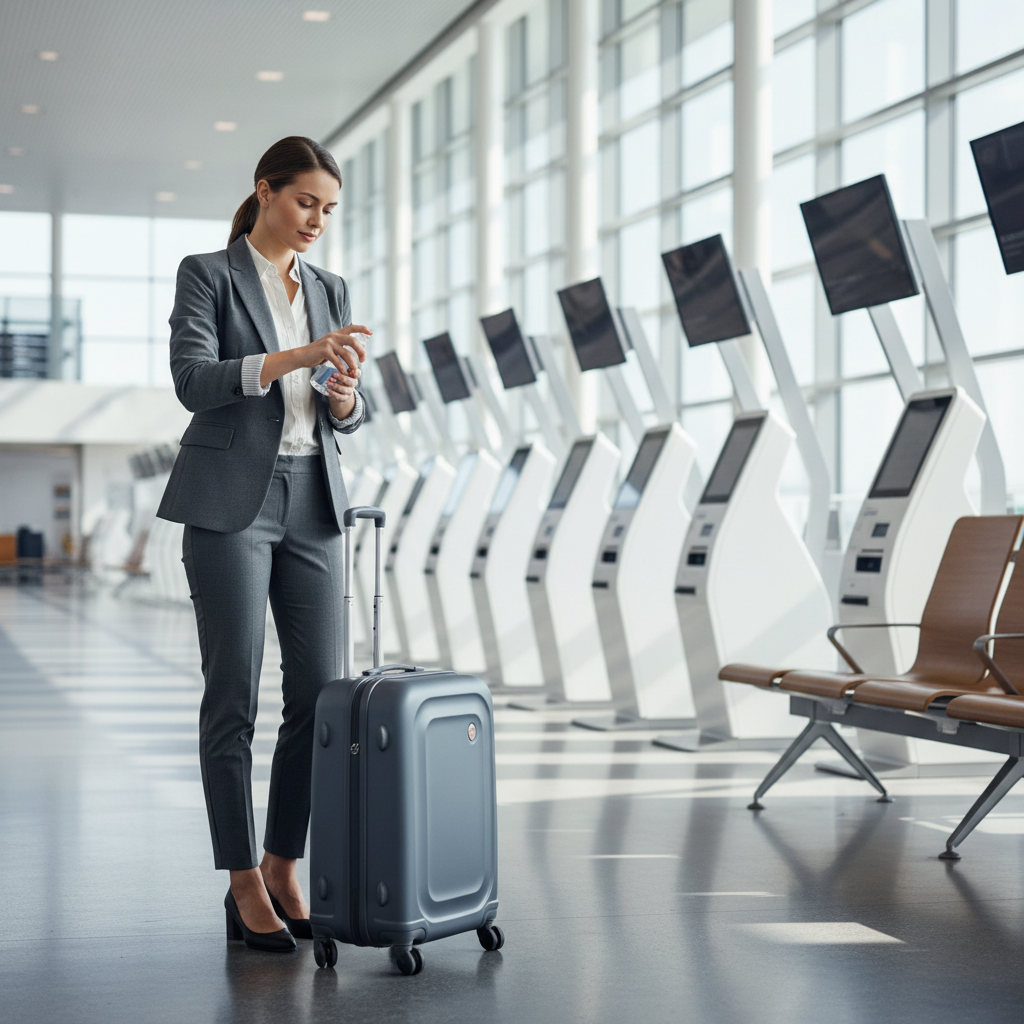
Also, “germ-free” is a vibe, not a realistic guarantee. The useful goal is reducing exposure and avoiding the classic mistakes: skipping hand hygiene before eating, wiping the wrong things, or bringing contamination back to your phone and face.
Below is a practical, non-paranoid plan that covers airports, planes, public transit, hotels, and shared rentals, plus a quick checklist so you can tailor effort to your situation.
Where travel germs actually come from (and what matters most)
Most travelers spend energy on the wrong targets. You don’t need to disinfect the entire world, you need to break the chain between shared surfaces and your mouth, eyes, nose, and food.
- High-touch surfaces: kiosk screens, railings, seatback pockets, tray tables, restroom door handles, elevator buttons, gym equipment.
- Your own “bridge items”: phone, earbuds, water bottle, credit card, passport cover, reusable tote. These move between clean and dirty zones all day.
- Close contact: crowded boarding lines, shuttles, subways. This is more about respiratory spread than surfaces.
According to CDC, washing hands with soap and water is a strong first-line step, and alcohol-based hand sanitizer can be used when soap and water aren’t available.
A quick self-check: how strict do you need to be on this trip?
Not every trip needs the same level of caution. Use this to decide whether you’re doing “basic,” “moderate,” or “high-attention” hygiene.
- Basic: short domestic trip, mostly outdoors, healthy adults, no packed events.
- Moderate: long travel days, multiple connections, public transit, conferences, theme parks.
- High-attention: you get sick easily, you’ll visit a hospital or care facility, you’re traveling with a newborn/older adult, or you’re immunocompromised. In these cases, it may be wise to ask a clinician for personalized guidance.
One more reality check: your behavior around meals drives a lot of outcomes. If you remember nothing else, remember “clean hands before eating and after bathrooms.”
Build a small “germ-smart” travel kit (no overpacking)
When people try to stay clean on the road, they usually fail because the right item is buried in luggage, or they bought something that can’t go through TSA. Keep this kit in an outer pocket.
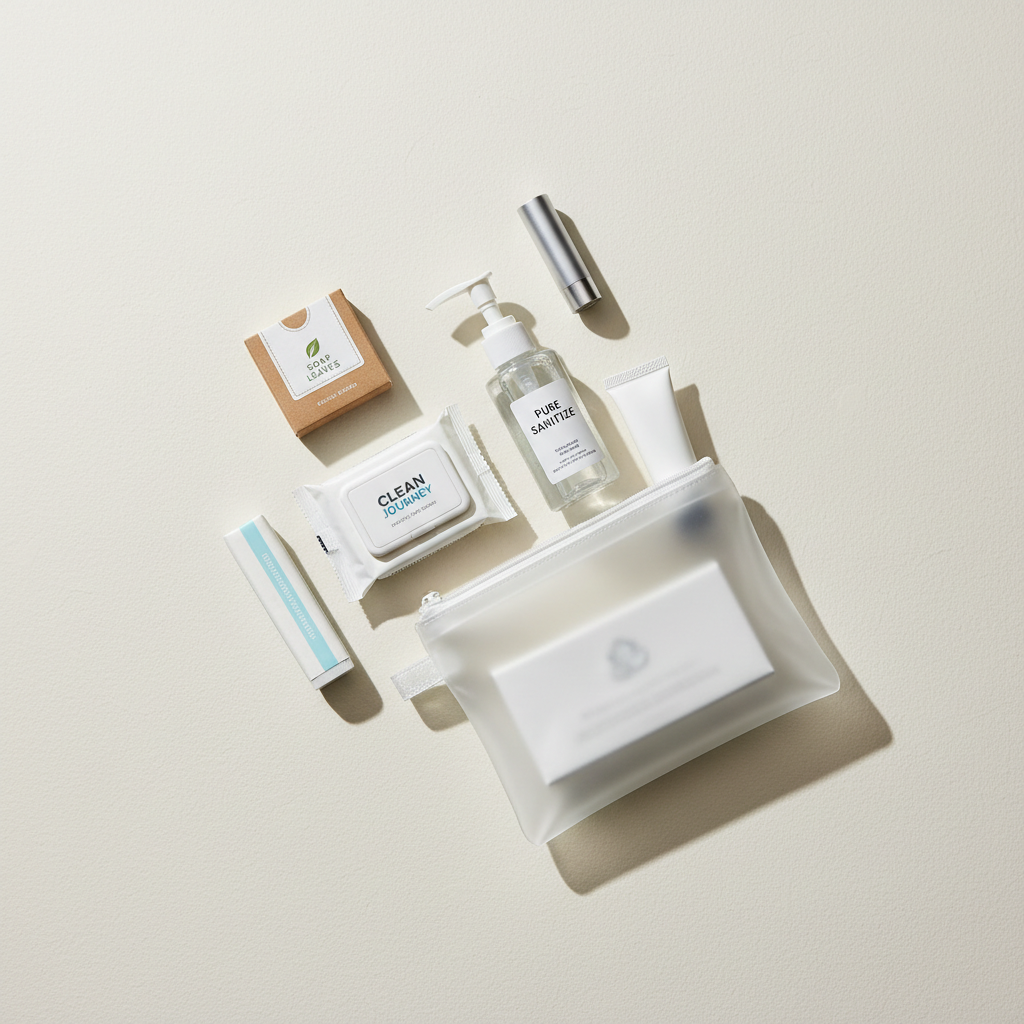
- Hand sanitizer (3 oz / 100 ml): for quick cleanup after high-touch moments.
- Soap backup: a tiny soap bar, soap sheets, or a small refillable bottle works when restrooms run out.
- Disinfecting wipes: for targeted surfaces like tray tables and hotel remotes.
- Tissues: for opening doors, touching handles, or coughing/sneezing etiquette.
- Small zip pouch: “clean zone” storage for essentials so they don’t float around your bag.
Key point: wipes are for surfaces, sanitizer is for hands, and neither is a substitute for washing when hands are visibly dirty.
Airport and airplane strategy: the 10-minute habits that pay off
How to stay germ free while traveling gets easier if you treat airports like a sequence of “hand hygiene checkpoints,” not a constant scrubbing session.
Before you board
- Pick one hand as the “dirty hand” for IDs, railings, and kiosk taps, and keep the other for phone/face when possible.
- Sanitize after security bins and after using shared touch screens.
- Avoid eating finger foods until you’ve cleaned hands. This is where people slip.
At your seat
- Wipe high-touch areas: tray table, armrests, buckle, window shade, screen edges. Focus on what you’ll touch repeatedly.
- Keep your phone off the tray table if you can. The tray becomes a contamination “charger” for your device.
- Hydrate without constant snacking if you’re trying to reduce hand-to-mouth contact.
Restroom timing
- Wash hands with soap and water after the restroom. If the sink area is crowded or questionable, sanitizer right after is a decent backup.
- Use a tissue to open the door on the way out if practical, then toss it.
According to WHO, hand hygiene is a core measure to reduce the spread of infectious diseases, especially in shared environments.
Hotels and rentals: what to wipe, what to ignore
Hotels feel clean, but your first 3 minutes in the room set the tone. Do a quick sweep, then stop. Spending 45 minutes disinfecting everything often creates fatigue, and fatigue leads to sloppy hygiene later.
- Wipe first: remote control, light switches, door handles, thermostat, desk surface, faucet handles.
- Check, don’t obsess: if glassware looks questionable, rinse it or use your own bottle. If linens look off, ask for replacements.
- Make a “clean zone”: one corner of a desk or a small tray where you place phone, keys, and room card after cleaning them once.
If you’re in a shared rental, be extra mindful of kitchen touchpoints like fridge handles and spice jars. Those can be quietly high-touch.
Public transit, rideshares, and sightseeing: stay clean without acting weird
In crowded places, your hands and your face are the main story. The goal is fewer face touches, and smarter timing for cleaning.

- On transit: hold one stable surface, keep the other hand “clean-ish” for phone or tickets.
- After transit: sanitize once you’re off, especially before you snack, adjust contacts, or apply lip balm.
- At attractions: be picky about when you eat. Wash hands before meals, not just after bathrooms.
- Rideshares: avoid touching your face during the ride, sanitize when you exit, then leave it alone.
It sounds small, but “sanitize every five minutes” often backfires because you run out, get irritated skin, and stop doing the basics.
A simple table: what to do in common travel moments
Use this as a quick reference when your brain is tired and you just want a rule.
| Travel moment | Most common mistake | Better move |
|---|---|---|
| After security screening | Touching phone/food right away | Sanitize hands, then handle snacks/phone |
| Getting to your seat on the plane | Skipping surface wipe-down | Wipe tray table/armrests once, then stop |
| Hotel check-in | Putting phone/keys on random surfaces | Create a “clean zone,” wipe key touchpoints |
| Public transit | Face touching out of habit | Keep hands busy, sanitize after you exit |
| Before eating | “I washed earlier, it’s fine” | Wash or sanitize right before the meal |
Common mistakes that keep you getting sick anyway
This is the part people don’t love hearing: you can wipe every surface and still get sick if you keep re-contaminating your hands and phone.
- Cleaning hands, then grabbing the same dirty phone and immediately eating.
- Wiping a tray table, then placing used wipes on it or touching your face mid-clean.
- Overusing harsh products until skin cracks, which can make hygiene harder to maintain.
- Ignoring airflow and crowding when you’re in tight indoor spaces for long periods.
According to FDA, disinfectants and sanitizers should be used as directed on the label, including contact time, and mixing products can create safety issues.
When to consider extra precautions or professional advice
If you’re traveling during a known outbreak, visiting someone medically fragile, or you have health conditions that raise risk, “normal travel hygiene” might not feel like enough. In those situations, it’s reasonable to ask your healthcare professional about masks, vaccines, or other tailored steps.
If you develop fever, severe symptoms, dehydration, or symptoms that worsen fast during a trip, seek medical care promptly. Travel can complicate access, so it helps to know urgent care options near your lodging.
Key takeaways you can actually use
- Prioritize timing: clean hands before eating and after bathrooms, plus after security and transit.
- Target a few surfaces: tray table, armrests, remote, switches. Don’t disinfect the universe.
- Protect your bridge items: phone and keys are often the real problem.
- Stay consistent: a small kit in reach beats a big kit in luggage.
If you want the simplest next step, pack a small pouch with sanitizer, wipes, and a soap backup, then commit to the “before you eat” rule for the whole trip.
If you’re trying to stay germ free while traveling without turning every day into a cleaning project, start with one change: treat your phone like a high-touch surface, and build a habit around cleaning hands at the moments that matter.