
how to wash a travel towel on vacation comes down to two priorities: remove body oils and bacteria that cause odor, and get the towel dry fast so it does not turn musty in your bag.
If you have ever packed a “clean-ish” towel and opened your luggage to that sour smell, you already know why this matters. Travel towels dry quickly when treated right, but they can also trap sweat, sunscreen, and detergent residue in a way that makes them stink again the moment they get damp.
This guide keeps it practical: quick ways to wash in a sink or shower, when a laundromat is worth it, how to dry in humid rooms, and the small mistakes that quietly ruin “quick-dry” performance.
What makes travel towels get funky so fast
Most travel towels are microfiber or a thin technical weave, so they behave differently than thick cotton. They dry faster, but they also hold onto oils and residue more stubbornly, and that combo often creates repeat odor.
- Body oils, sunscreen, and bug spray cling to synthetic fibers, even when the towel looks clean.
- Detergent buildup happens when you use too much soap in a small sink wash, the towel rinses poorly, and residue becomes a smell magnet.
- Not fully drying is the big one: a “mostly dry” towel in a humid bathroom can sour overnight.
- Cross-contamination from the shower floor, gym bag, or a damp swimsuit can transfer odor back onto the towel.
According to CDC, keeping fabrics clean and thoroughly dry helps limit the growth of germs and mold, especially in warm, damp environments. That is exactly the travel use case.
Quick pre-check: decide which wash method you need
Before you wash, do a 20-second check. It saves you from over-washing when you just need a better dry, and it also tells you when a deeper clean makes more sense.
A simple “sniff and feel” checklist
- Light sweat smell only when damp: quick rinse + small amount of soap usually works.
- Waxy feel or visible sunscreen marks: you need a more thorough soap wash and extra rinsing.
- Sour or mildew smell even when dry: do a deeper clean, ideally machine wash, or use a controlled disinfecting soak if machines are not available.
- Scratchy towel that stops absorbing: likely residue buildup, rinse longer and avoid fabric softener.
If you are backpacking or moving hotels daily, pick the method that matches your reality. Clean enough plus fully dry beats “perfect wash” that stays damp.
Sink wash method (fast, low-mess, most common)
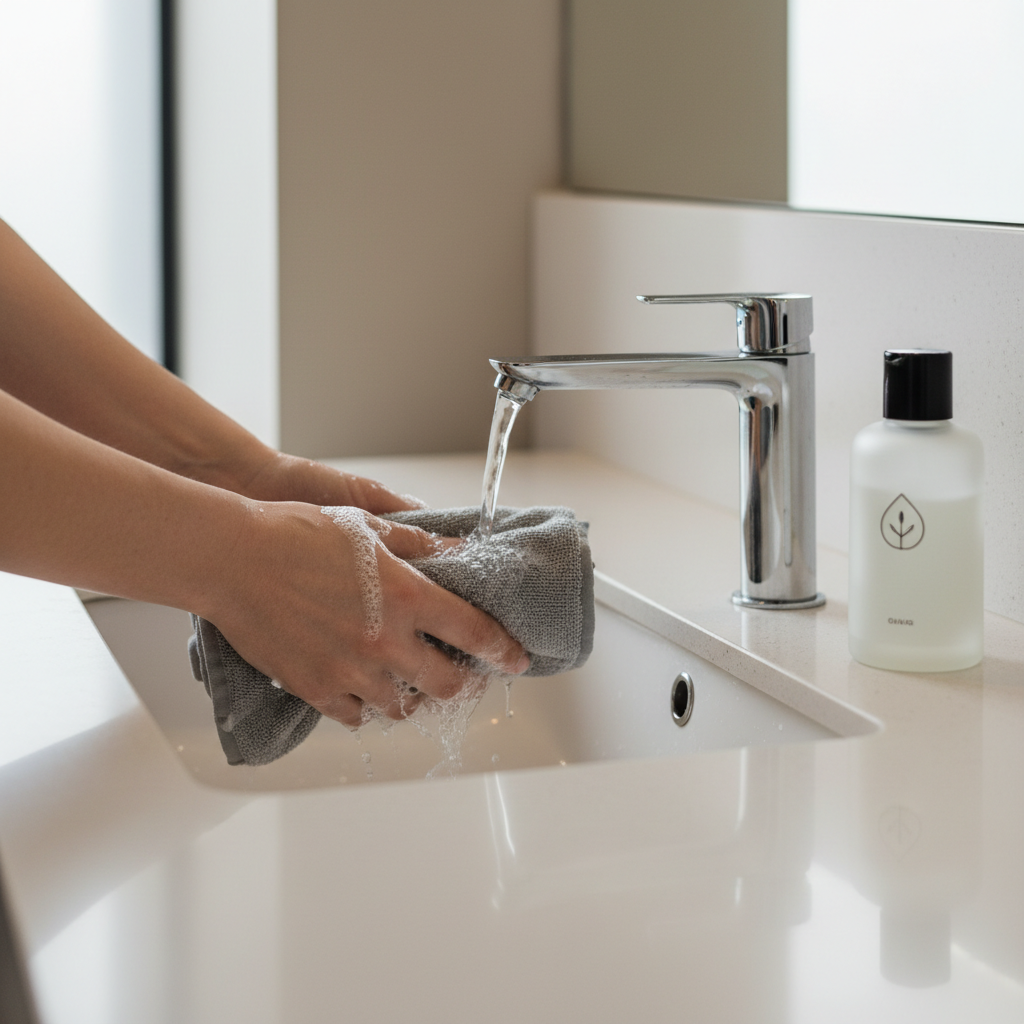
This is the default answer for how to wash a travel towel on vacation when you have a private bathroom and 10 minutes. The trick is using less soap than you think, then rinsing longer than you want.
Step-by-step sink wash
- Rinse the towel with warm water to flush out surface sweat and sand.
- Add a small amount of mild detergent or a few drops of gentle soap, then fill the sink partway.
- Soak 5–10 minutes, then knead the towel like bread dough, focusing on the edges and center panel.
- Drain and rinse, then rinse again. Keep rinsing until the water runs clear and you feel no slickness.
- Press water out firmly. Twisting is fine for many microfiber towels, but check your care tag if you have a special weave.
Key point: too much detergent is a common reason travel towels smell “clean but not fresh.” Residue stays in the fibers and reactivates with moisture.
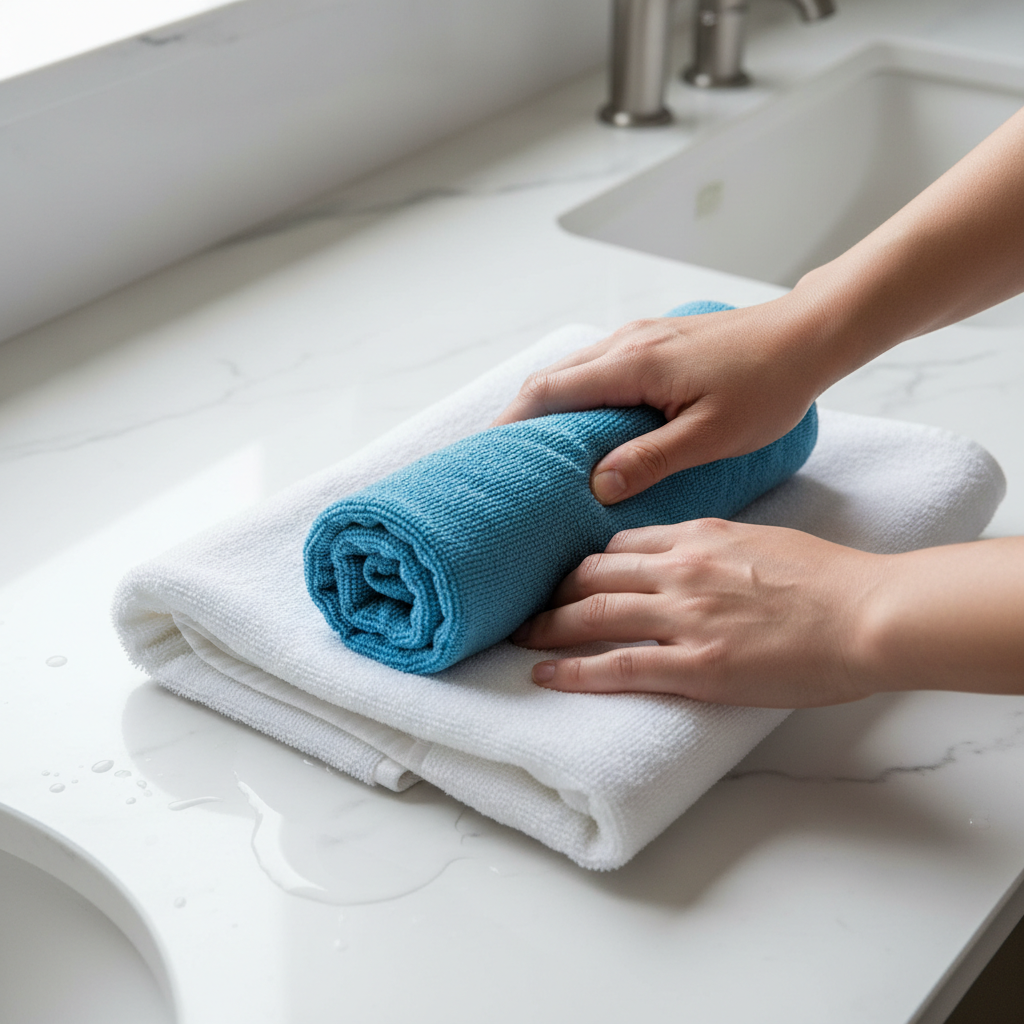
If you want an easy upgrade, do the “towel burrito”: lay the travel towel flat on a dry bath towel, roll them together, then press down with your hands or sit on the roll for 30 seconds. It pulls out surprising amounts of water, which shortens drying time a lot.
Shower wash method (best when you lack a usable sink)
Some hotel sinks drain slowly, some hostels have tiny basins, and sometimes you just do not want to touch a questionable stopper. The shower method is less precise, but it works.
How to wash in the shower
- Wet the towel and apply a small amount of soap directly to the fabric.
- Rub towel against itself, especially high-contact areas where you wipe your face or hair.
- Rinse under a strong stream until it stops feeling slippery.
- Squeeze water out, then do the “burrito roll” with any dry cloth you have.
If you share a bathroom, keep your towel off the floor and away from drains. That sounds obvious, but it is one of the quickest ways to reintroduce odor.
Laundromat or hotel machine wash (best for odor, sunscreen, long trips)
If your towel has a persistent smell, machine washing is usually the cleanest reset. It is also a good idea if you are mid-trip and want to “zero out” bacteria and oils before the next leg.
Machine settings that usually work well
- Water temp: warm is often enough; hot can be okay for many towels but check the label to avoid damage.
- Detergent: use a normal amount for a small load, not “extra for travel grime.”
- Cycle: regular or quick wash for lightly soiled; heavier cycle if sunscreen buildup is obvious.
- Rinse: choose extra rinse if available, microfiber likes it.
Avoid fabric softener. Many manufacturers warn it can coat fibers and reduce absorbency, and it can make that “clean perfume over stale” smell linger.
According to EPA, always follow product labels for any laundry additives and disinfectants, and never mix chemicals. If you decide to use a disinfecting product, label directions matter more than travel hacks.
Drying on vacation: the part most people get wrong
Washing helps, but drying is what prevents the smell coming back. In humid climates or windowless rooms, you may need to be a little strategic.
Make your towel dry faster (even in a bad room)
- Max out water removal first: squeeze, then burrito roll, then squeeze again.
- Hang for airflow, not aesthetics: use a hanger, a chair back, or a curtain rod, and spread it flat.
- Move it out of the bathroom if the bathroom stays steamy, many do.
- Use airflow: aim a fan or AC vent toward it if possible.
- Flip after 30–60 minutes so the damp side faces air.
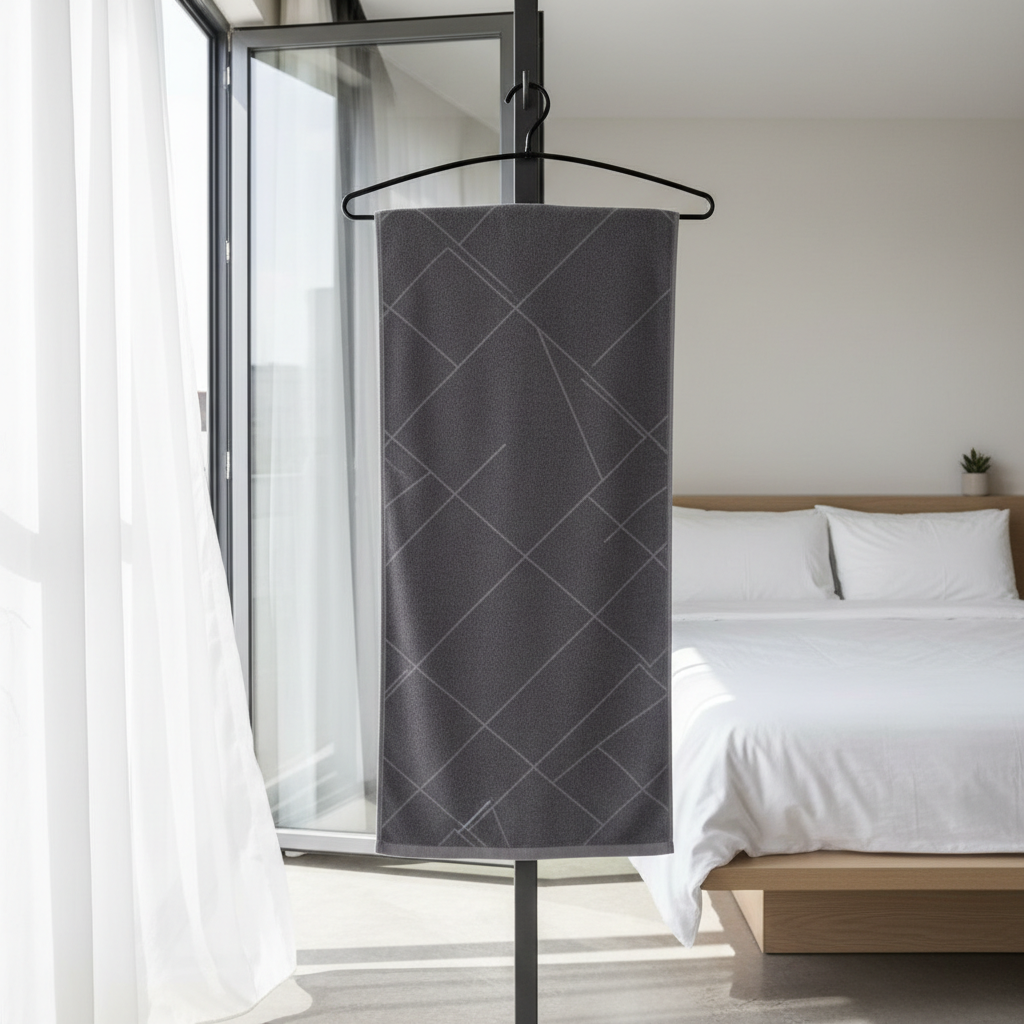
If you must pack it slightly damp, separate it from clothes inside a breathable mesh pouch, then unpack and re-hang as soon as you arrive. This is not ideal, but it beats sealing it in a plastic bag for hours.
Recommended methods at a glance (table)
Pick the approach that matches your time, privacy, and how bad the odor feels. If you are unsure, go one notch “stronger” than you think, then focus on drying well.
| Situation | Best method | Time | What to prioritize |
|---|---|---|---|
| Light sweat, no stains | Quick rinse + light soap in sink | 10–20 min | Extra rinse, strong squeeze-out |
| Sunscreen or oily feel | Sink wash with longer kneading | 20–30 min | Use less soap, rinse longer |
| Persistent sour smell | Machine wash + extra rinse | 45–90 min | Full dry, avoid softener |
| No sink access, shared bath | Shower wash | 10–20 min | Keep it off surfaces, airflow |
| Moving daily, limited drying | Rinse only + aggressive dry routine | 5–15 min | Water removal, hang outside bath |
Common mistakes that make travel towels smell worse
A lot of “my towel still stinks” stories come from well-meaning habits that backfire on technical fabrics. Fixing these is often easier than switching detergents.
- Using too much detergent, then doing a quick rinse, residue stays behind.
- Using fabric softener, absorbency drops and odors linger.
- Hanging bunched up on a hook, the middle stays damp.
- Drying in a steamy bathroom right after a hot shower, moisture never leaves.
- Storing damp in airtight bags, even for a short transit, smell grows fast.
If you are tempted to mask odor with fragrance, pause. A towel that smells like “clean perfume plus mildew” is usually telling you it needs better rinsing and a full dry.
When to level up: stains, skin sensitivity, and hygiene concerns
Most travelers can keep a towel fresh with basic washing and drying, but some situations deserve more caution.
- If you have skin irritation after towel use, consider switching to a fragrance-free detergent and rinsing longer. If irritation continues, it may be worth consulting a healthcare professional.
- If you see visible mold or the smell is strong even after machine washing, replacing the towel may be the more realistic option, especially on a short trip.
- If you are sharing towels or traveling with someone sick, more frequent washing and full drying helps. According to CDC, good hygiene practices reduce spread of many common infections.
For disinfecting soaks, follow the towel brand care instructions and the disinfectant label. If you are unsure about fabric compatibility, test on a small corner first, or stick to a normal wash with thorough drying.
Practical packing tips so you wash less often
Sometimes the easiest way to deal with how to wash a travel towel on vacation is reducing how dirty it gets in the first place, without babying it.
- Air it out immediately after use, even 10 minutes helps.
- Use a separate small face cloth if you wear heavy sunscreen, your main towel stays cleaner.
- Carry a small carabiner so you can hang it where airflow exists.
- Use a breathable pouch, mesh beats plastic for damp gear.
Key takeaways: use less soap than you think, rinse longer than you want, remove as much water as possible, and prioritize airflow. That combination prevents most travel towel odor problems.
Conclusion: a clean towel is mostly a drying problem
how to wash a travel towel on vacation is not complicated, but the small details decide whether it stays fresh. If you do one thing today, do the burrito roll and hang it flat somewhere with real airflow, it usually changes everything.
If the smell has already set in, plan one machine wash mid-trip, then go back to quick sink washes and better drying habits, your towel will behave like a quick-dry towel again.
If you want a simple next step, pick your wash method for tonight, then set a timer to flip the towel after an hour. It is boring, but it works.