
how to choose best cruise line for you comes down to matching your trip style to the right “cruise personality”, not chasing whoever has the loudest ad or the newest ship.
A lot of people get stuck because cruise lines can look similar on the surface, yet the onboard vibe, dining expectations, pricing structure, and guest mix vary a lot. If you choose a mismatch, you still sail, but you spend the week thinking, “We should’ve picked the other one.”

This guide gives you a practical way to decide: what to clarify about your priorities, what to compare line-to-line, and what fees or fine print usually trip people up. You’ll also find a quick table to narrow options before you start watching ship tour videos for hours.
Start with your “cruise priorities” (it’s usually 3 things)
If you try to optimize every detail, you’ll spiral. In real booking decisions, most travelers care most about a short list, then everything else becomes “nice to have.”
- Budget comfort zone: not just the fare, but what you feel okay spending once onboard.
- Vibe: party energy vs relaxed vs upscale vs family-heavy.
- Ports vs ship: do you want destination days, or a resort-at-sea experience?
- Food expectations: “I’ll eat anything” and “this is our anniversary” are different trips.
- Cabin needs: sleep quality, balcony time, accessibility, quiet location.
Key point: if you pick the right vibe and the right itinerary length, you can usually live with the rest.
Match the cruise line to the experience you want
People ask for a single “best” brand, but there isn’t one. There are brands that tend to fit certain travelers better. Use these buckets to narrow down, then compare actual sailings.
A quick cruise line fit table
Use this as a starting filter, then verify on the specific ship and itinerary you’re booking, because even within the same cruise line, ships can differ.
| What you want most | Often a good fit | What to double-check |
|---|---|---|
| Value pricing, short getaways, lively atmosphere | Mainstream “fun-focused” lines | Noise level, party vibe, drink package math |
| Family-friendly, lots of kid programming | Family-centric lines and megaships | Cabin size, lines for activities, school-holiday crowds |
| Relaxed, classic cruising, fewer thrills | Traditional mainstream lines | Evening entertainment style, age mix on your dates |
| Premium service, better dining, calmer feel | Premium lines | What’s included vs extra (specialty dining, tips) |
| Small ships, immersive itineraries, fewer crowds | Expedition / small-ship lines | Activity level, seasickness risk, gear requirements |
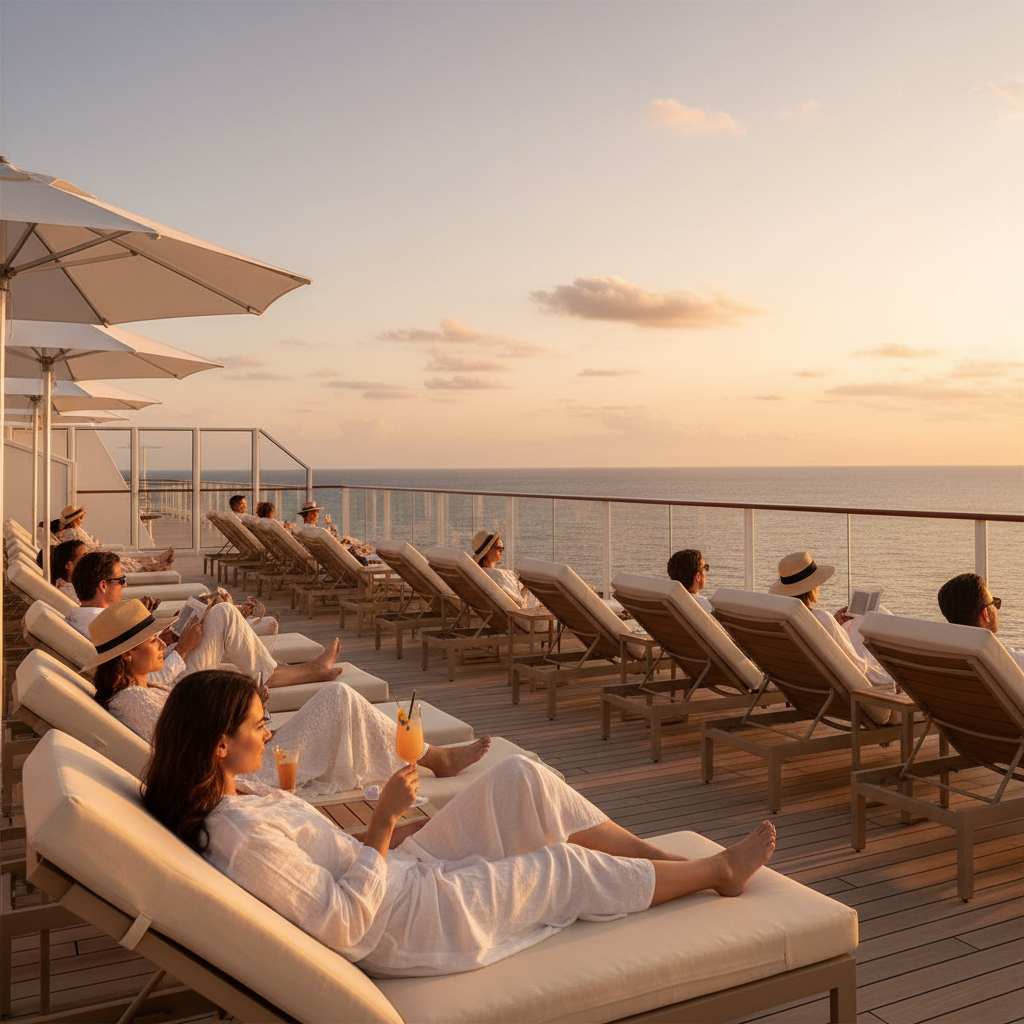
Reality check: “Luxury” and “budget” are not strict labels; a discounted premium sailing can cost less than a peak-week mainstream cruise, and inclusions can flip the value equation.
Compare itineraries like a planner, not like a postcard
Itinerary is where expectations break most often. Two cruises can visit the same islands but feel completely different depending on port times, sea days, and how you get there.
- Port time quality: look at arrival and departure times, not just the port list.
- Sea day balance: some people love them, others get restless by day two.
- Embarkation logistics: adding a flight plus hotel night can change total cost and stress.
- Season and sea conditions: weather can affect tender ports and excursion plans.
According to NOAA, marine forecasts and seasonal patterns can vary widely by region, which is why the same itinerary in different months may feel like a different trip.
Do the “true cost” math (this is where deals fall apart)
Many first-timers compare only the headline fare, then feel surprised by the onboard bill. When you’re working out how to choose best cruise line for you, the pricing structure matters as much as the ship.
Costs that commonly sit outside the advertised fare
- Gratuities (daily service charges), sometimes adjustable, often automatically added.
- Drinks: soda, specialty coffee, alcohol, and bottled water rules vary by line.
- Wi‑Fi: speed tiers, device limits, and “streaming” restrictions.
- Specialty dining: cover charges, tasting menus, or a la carte pricing.
- Excursions: ship tours vs third-party operators, plus transportation costs.
- Port fees and taxes: sometimes bundled, sometimes shown separately.
Practical move: before you book, sketch a “likely onboard spend” range. If you hate surprises, favor cruise lines or fare types that include more upfront, even if the sticker price looks higher.
Pick the right cabin for how you actually travel
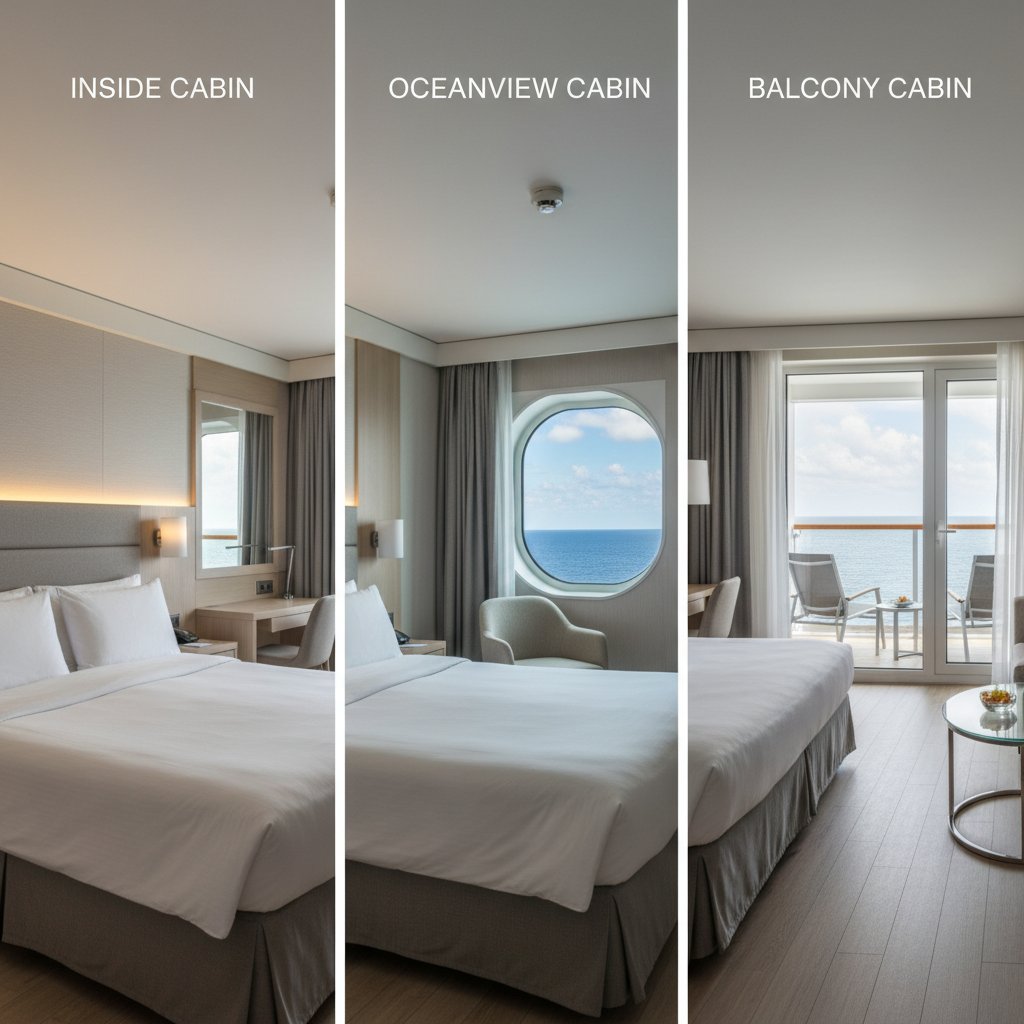
Cabins look like a small detail, but they can make or break sleep, comfort, and sanity. People often overpay for features they don’t use, or underpay and regret it on night one.
Quick cabin decision rules
- If you’re rarely in the room and want maximum value, start with inside cabins.
- If you get anxious without daylight, consider oceanview or a balcony, even on shorter cruises.
- If quiet matters, avoid high-traffic areas, and look for cabins away from late-night venues.
- If you’re prone to motion sickness, many travelers prefer mid-ship and lower decks, though sensitivity varies.
According to the CDC, motion sickness can affect travelers in different ways, and prevention strategies vary; if you have medical conditions or take medications, it’s smart to consult a clinician or pharmacist before sailing.
Use a fast self-checklist to narrow to 2–3 lines
If you’re still staring at 10 tabs, use this as a filter. You’re not hunting perfection, you’re avoiding obvious mismatch.
- We want late nights and high energy → prioritize lines known for nightlife, bigger ships, more venues.
- We want quiet mornings and easy dinners → look at premium/traditional lines, fewer “thrill” features.
- Kids are the center of the trip → check age-group programming, hours, and whether it costs extra.
- This is a food trip → compare included dining, specialty restaurant pricing, and dress expectations.
- We hate planning → fares with more inclusions may feel simpler, even if not cheapest.
- We want unique ports → small ships can access different routes, but can cost more.
Key point: once you have 2–3 candidates, stop reading generic “best cruise line” lists and start comparing the exact sailing dates, ship, and cabin category.
Common mistakes to avoid (they’re boring, but expensive)
Most cruise regret comes from predictable stuff. If you can dodge these, you’re already ahead.
- Booking by ship photos only: marketing images rarely show crowding and flow on busy days.
- Assuming “all-inclusive”: policies vary a lot, especially for drinks, Wi‑Fi, and gratuities.
- Ignoring port arrival times: a “great” port with a short stop can feel rushed.
- Choosing the cheapest cabin location: under a pool deck sounds fine until the chairs start moving at 6 a.m.
- Overcommitting to excursions: leaving space for rest matters, particularly on longer itineraries.
Action plan: book with confidence in 30–60 minutes
This is the simple workflow many frequent cruisers use, and it keeps you from overthinking.
- Define your top 3 priorities (vibe, budget, ports vs ship).
- Pick a region and a trip length you can truly enjoy, not just tolerate.
- Shortlist 2–3 cruise lines that fit the vibe, then choose a specific ship.
- Price out true cost: fare + gratuities + drinks + Wi‑Fi + dining + excursions.
- Select cabin category and location, then compare refundable vs nonrefundable terms.
If you do only one thing today, do this: write your “non-negotiables” on a note, then refuse to compromise on them during checkout, that’s the easiest way to choose best cruise line for you without second-guessing later.
Conclusion: the best cruise line is the one that fits your week
You don’t need a perfect choice, you need a smart match. When you align vibe, itinerary, and true cost, the cruise line decision becomes much less emotional and much more obvious.
Next steps: pick your top 2 priorities, then compare two sailings side by side using the true-cost checklist. If both look good, let schedule and cancellation terms be the tiebreaker.
FAQ
- How do I choose a cruise line for my first cruise?
Start with a mainstream line that matches your vibe and a shorter itinerary (3–7 nights). It’s easier to learn what you like without committing to two weeks at sea. - Is it better to pick the itinerary or the cruise line first?
Usually itinerary first, then line. Ports and travel logistics shape the whole trip, and a great ship can’t fix a route you don’t want. - What’s the biggest hidden cost on cruises?
It varies, but drinks, gratuities, and Wi‑Fi are common surprises. Do a quick “true cost” estimate before booking so the deal stays a deal. - Do newer ships always mean a better experience?
Not always. New ships can offer more dining and entertainment, but they can also feel busier. Older ships may feel calmer and sometimes cost less. - Should I buy a drink package?
Only if your likely daily drinks make the math work, and you’re comfortable with the rules. Many lines list package terms clearly; read them before you assume value. - How can I avoid getting seasick on a cruise?
Cabin location can help, and some travelers use over-the-counter remedies. If you have health conditions or take medications, ask a clinician for advice that fits you. - When should I use a travel agent for cruises?
If you’re juggling multiple cabins, special needs, complex airfare, or you want someone to pressure-test fees and terms, a cruise-focused agent can save time and reduce mistakes.
If you’re choosing between a few sailings and want a simpler way to compare what’s included, what you’ll likely pay onboard, and which ship fits your vibe, it can help to use a cruise planning checklist or work with someone who can sanity-check the fine print before you book.