
How to respect culture while traveling starts with one simple idea, you are a guest, even when you paid for the ticket and the hotel. Most cultural missteps come from rushing, assuming your norms apply everywhere, or copying what you saw online without context.
It matters because “respect” is not just being polite, it affects how safe you feel, how people respond when you need help, and whether your presence supports or strains the place you came to enjoy. In many destinations, travelers are welcome, but residents are tired of being treated like a backdrop.
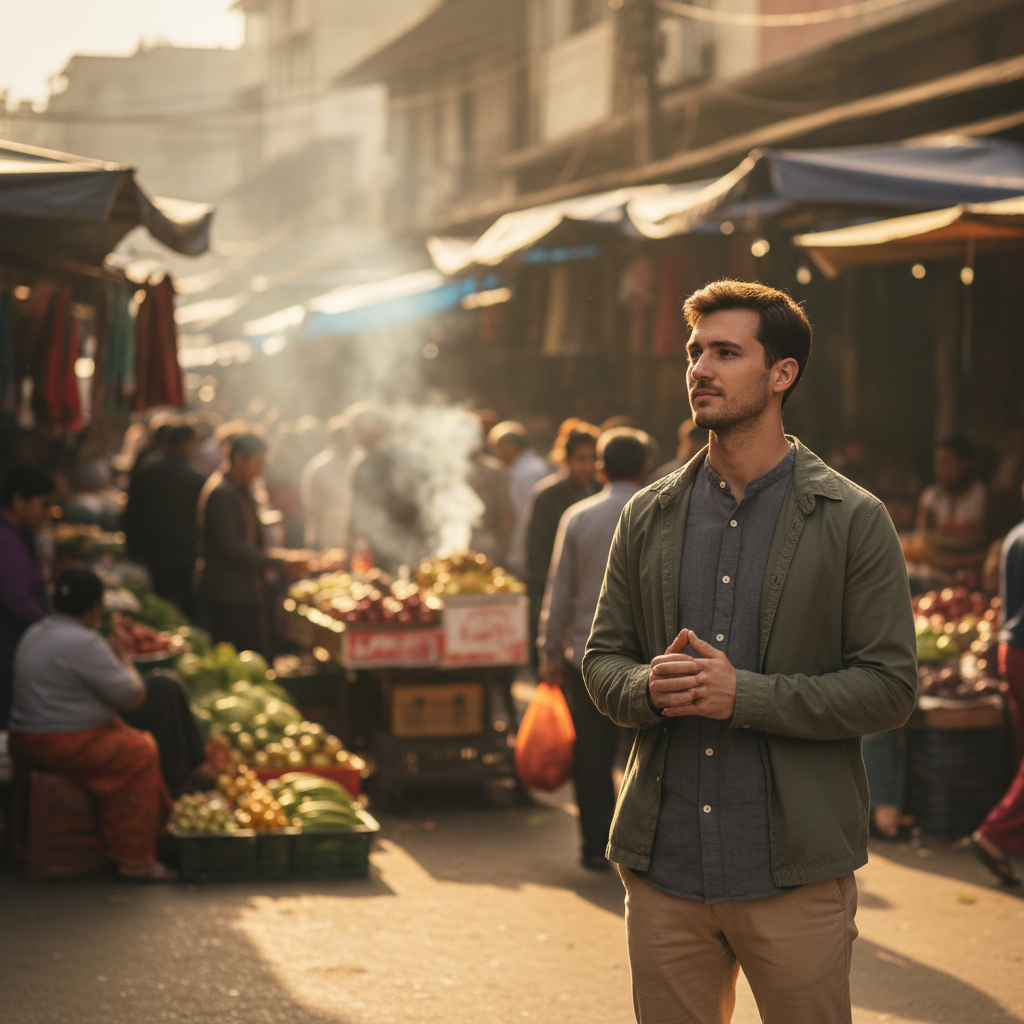
If you want a practical approach, this guide focuses on the moments where people usually slip, clothing, photos, greetings, money, and “harmless” jokes, then turns them into a checklist you can actually use while planning and while you are on the ground.
Understand what “culture” means in real travel situations
Culture is bigger than festivals and food, it shows up in everyday rules about space, time, respect, and who gets to speak when. The tricky part is that two places can share a language and still have different norms, and even within one country, cities and rural areas often feel like different worlds.
- Visible norms: dress expectations, shoes indoors, tipping, public affection, alcohol rules.
- Invisible norms: tone of voice, indirect vs direct “no,” hierarchy by age or title, saving face.
- Context norms: what is fine at a beach may be disrespectful at a temple, memorial, or neighborhood market.
According to the U.S. Department of State, travelers should learn local laws and customs before visiting, because what seems minor at home can become a serious issue elsewhere. That’s a useful baseline, but “legal” and “respectful” are not always the same thing, you want to aim higher than avoiding trouble.
Pre-trip research that actually prevents awkward moments
Many people Google a destination once, skim a blog, and call it “research.” The better move is to gather a few reliable signals and keep them simple enough to remember when you are tired and overstimulated.
Use sources that reflect local expectations
- Official tourism sites and museum or temple websites for dress codes and photo rules.
- Local newspapers in English, or local creators who talk about etiquette, not just “hidden gems.”
- Hotel staff or guides for neighborhood-specific norms, especially around religious sites.
Build a “respect basics” note on your phone
Keep it short, five to ten bullets. Include greetings, shoes, tipping, and photography. When you land, you will use this more than you think.
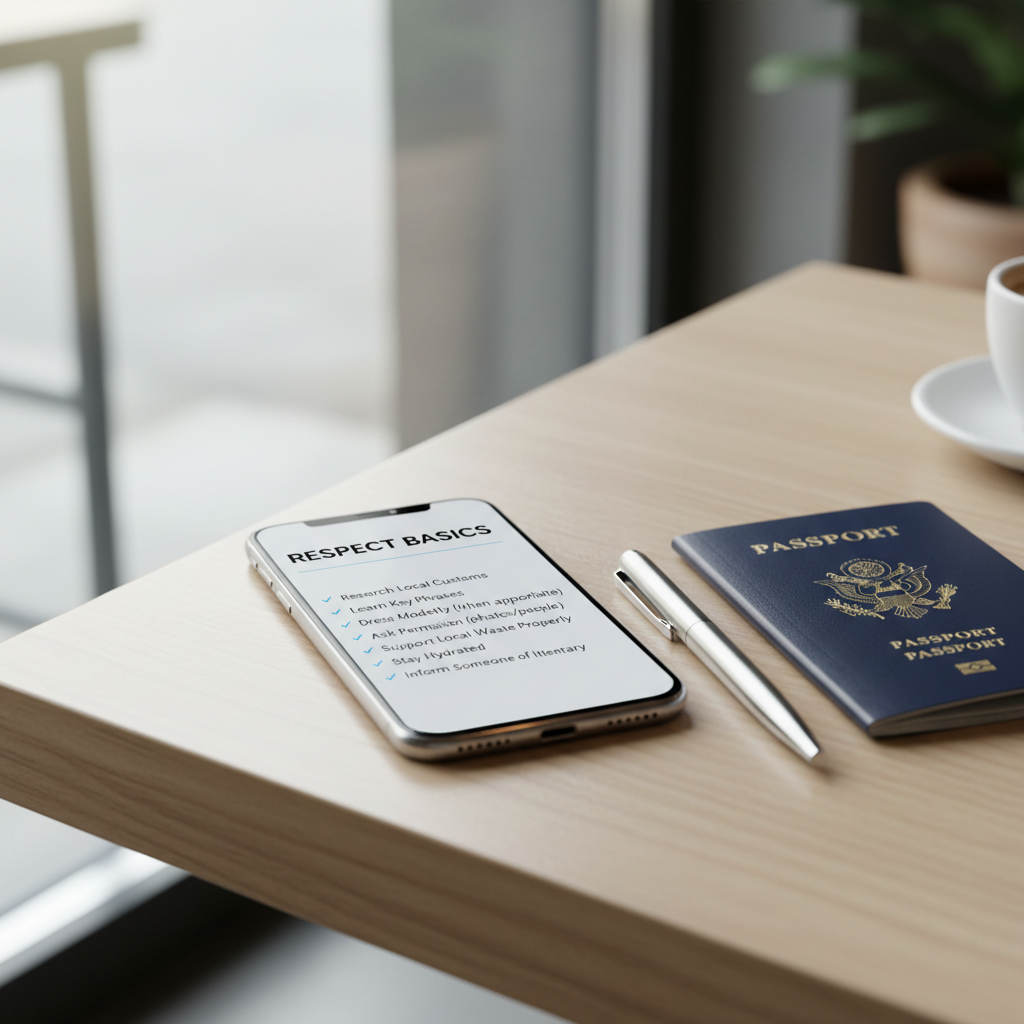
One more reality check, social media etiquette tips can be wildly overconfident. If a claim sounds extreme, “never do X in this country,” confirm it with at least one local or official source.
A quick self-check list before you walk into any new space
When people ask how to respect culture while traveling, they usually want rules. Rules help, but a fast decision framework helps more, because you will hit situations no guide covered.
- Am I in a sacred, solemn, or family-oriented place? If yes, dial down volume, skin, and camera use.
- Am I taking up space that locals need? Doorways, narrow sidewalks, transit platforms, shop entrances.
- Is someone working or living here? Markets and neighborhoods are not theme parks.
- Would I do this at a funeral, school, or courthouse at home? If no, pause.
- Did I ask, or did I assume? Photos, touching items, entering rooms, petting animals.
If you do nothing else, do this, pause for five seconds before you act. That tiny delay prevents the “oops” moments that can sour an interaction.
Respectful behavior in the moments that matter most
Small choices add up. Locals rarely expect perfection, but they do notice whether you are trying, and whether you become defensive when corrected.
Dress: aim for “context-appropriate,” not “tourist-proof”
- Pack a lightweight layer that covers shoulders and knees, it solves a lot of surprise rules.
- In conservative areas, avoid tight or sheer clothing even if it is technically “covered.”
- When in doubt, copy the most modest version of what locals wear in that setting.
Greetings and personal space: match the local rhythm
- Listen for formality, titles, and how quickly people move into first names.
- Physical contact norms vary, so let the other person initiate hugs, cheek kisses, or handshakes.
- Volume is culture, too, if everyone is speaking softly, treat that as the rule.
Photos and social media: consent is the baseline
Street photography can be legal and still feel intrusive. Ask before taking close-up portraits, and accept “no” without negotiating. For sacred sites, follow posted signs even if “everyone else is doing it.” According to UNESCO, many heritage sites balance tourism with preservation, and visitor behavior can affect conservation and community relationships, so photo rules often exist for reasons beyond aesthetics.
Money, bargaining, and tipping without the cringe
Financial norms are where good intentions can land badly. Over-tipping can distort expectations, aggressive bargaining can feel disrespectful, and handing money to children can create harm in some contexts. If you are unsure, ask a local guide, hotel staff, or a trusted local business owner what is typical.
| Situation | What often goes wrong | A better default |
|---|---|---|
| Market bargaining | Driving prices down for sport | Offer politely, keep it light, walk away kindly |
| Tipping | Assuming U.S. tipping rules apply | Check local norms, tip quietly if customary |
| Guides and drivers | Mixing “tip” with “bribe” anxiety | Follow reputable operator guidance, request receipts when appropriate |
| Donations | Giving without knowing who benefits | Support established organizations or community-led projects |
One practical move, carry small bills and coins so you are not forced into awkward “keep the change” moments that feel performative.
Common mistakes Americans make, and what to do instead
This is not about guilt, it is about pattern recognition. If you spot yourself in any of these, you are normal, just adjust quickly.
- Over-explaining your intentions: impact matters more than your backstory, a simple apology goes further.
- Joking about politics or religion: even friendly teasing can hit raw history, keep it neutral unless you know the person well.
- Assuming English “should” work: learn a few phrases, and use translation apps with patience.
- Turning traditions into content: if the main goal is your post, you are already off track.

When you make a mistake, keep it clean, acknowledge it, correct it, move on. Defensiveness is what usually escalates a small issue into a story locals retell.
Step-by-step: a respectful travel routine you can repeat anywhere
If you want something repeatable, this routine covers most situations without turning you into an etiquette robot.
- Day 0: write a short “respect basics” note, add dress, greetings, photo rules, tipping.
- Day 1: watch what locals do in your neighborhood, not what other tourists do downtown.
- Before entering a new place: scan for signs, look at what people wear, lower your volume.
- During interactions: ask permission for photos and for entering private spaces, keep questions curious, not interrogating.
- After the day: if something felt tense, reflect, then adjust tomorrow instead of doubling down.
That last step is underrated. Learning in public can feel embarrassing, but it is also how you get better fast.
When to seek help from a local expert
Sometimes “just be respectful” is too vague, especially in places with strong religious norms, complex political tensions, or strict rules around permits and photography. In these cases, pay for clarity.
- You plan to visit multiple sacred sites and want correct dress and behavior guidance.
- You are photographing people, ceremonies, or culturally sensitive events.
- You will drive, rent equipment, or travel near borders where rules can be confusing.
- You feel unsafe or receive conflicting advice, consult reputable guides or local authorities, and consider guidance from the U.S. Department of State.
If health or safety questions come up, conditions and risks vary by destination, so it may help to consult a qualified professional or local medical provider rather than relying on travel forums.
Key takeaways (so you remember this mid-trip)
- Be observant before you act, context changes the “right” behavior fast.
- Consent beats confidence, especially with photos and private spaces.
- Match local norms on dress, volume, and space, it signals respect without a speech.
- When corrected, stay calm, fix it, move on, no debate needed.
Conclusion: Respect is not perfection, it is effort plus humility, repeated all trip. If you want to practice how to respect culture while traveling, pick two habits, the five-second pause and asking before photos, and you will avoid most common issues while building warmer connections.
If you are planning a destination where etiquette feels high-stakes, consider booking one local-led orientation tour early in your trip, it can save you days of second-guessing and help your spending support the community you came to see.