
how to travel portugal by train is easier than many Americans expect, as long as you understand which routes are fast, where trains actually go, and how tickets work across different operators.
If you’ve ever opened a rail map and thought, “Why does this look simple but feel confusing?”, you’re not alone. Portugal’s train system is very usable, but it has a few quirks: some must-see places are better by bus, some stations have similar names, and pricing changes depending on how you buy.
This guide focuses on the practical stuff people get wrong: choosing the right train type, buying tickets without overpaying, deciding when reservations matter, and building an itinerary that flows instead of zigzagging.

What Portugal’s Train Network Does Well (and Where It Doesn’t)
Portugal trains shine on city-to-city corridors, especially along the coast and between major hubs. For smaller inland towns, you’ll often mix in a regional train or switch to a bus for the last leg.
Good fits for trains usually look like this: direct routes, frequent departures, and stations close to where you want to be. Trickier fits tend to be places with limited service, long waits between connections, or stations far outside town.
- Best by train: Lisbon, Porto, Coimbra, Braga, Aveiro, Faro (Algarve), Évora (via regional services from Lisbon)
- Often better by bus/car day trip: Sintra, Nazaré, Óbidos, many Douro Valley viewpoints, smaller Algarve beaches
According to CP (Comboios de Portugal)... trip planning and tickets revolve around their network and timetables, so it’s the main reference point even when you compare options.
Know the Train Types: Alfa Pendular vs Intercidades vs Regional
Before you buy anything, it helps to understand the labels. They’re not just marketing, they affect time, price, and whether you should lock a departure early.
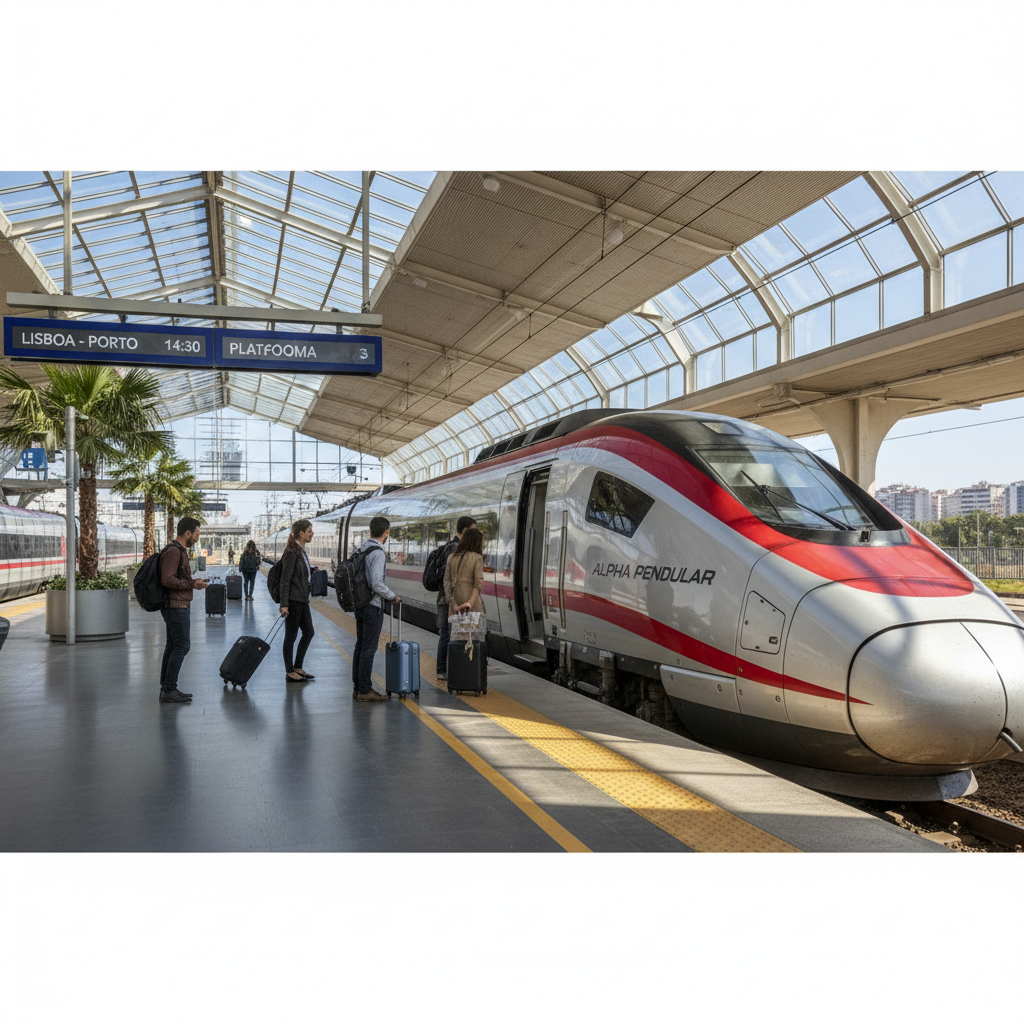
- Alfa Pendular (AP): fastest, modern, limited stops, usually the most expensive, great for Lisbon–Porto
- Intercidades (IC): long-distance, a bit slower, fewer frills, often better value if you don’t need the quickest trip
- Regional/InterRegional: slower, more stops, good for smaller cities, schedules may be less frequent
- Urban trains: commuter networks around Lisbon and Porto, useful for local hops, generally simple pricing
If you’re mapping how to travel portugal by train for the first time, it’s usually smart to anchor your long jumps on AP or IC, then fill in the gaps with regional lines or day-trip transit.
Ticket Basics: Where to Buy, When to Reserve, What to Screenshot
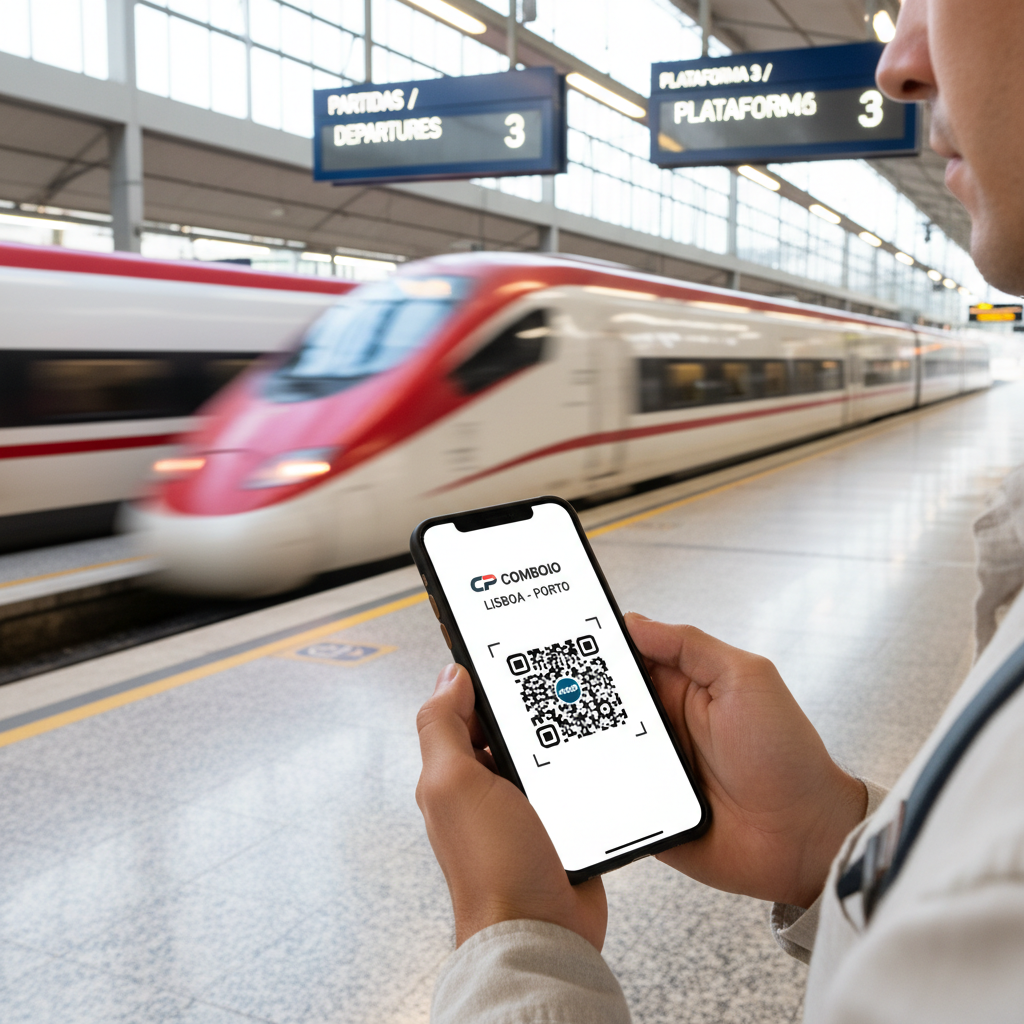
Many visitors overcomplicate ticketing. In most cases you pick a route, choose a departure, pay, then show a digital ticket or printed QR code at inspection.
Where to buy depends on your comfort level and timing:
- Online (CP website/app): convenient, good for planning, often best for longer routes and earlier purchase
- Station machines: fine for day-of travel, especially regional or urban trains
- Ticket counters: helpful when you want a human to confirm the station, connection, or class
Reservations: For long-distance services, your ticket commonly ties to a specific train and seat, so treat it like an airline boarding pass. Regional and urban services are often more flexible, but rules vary by line, so confirm during purchase.
Two small habits save headaches: screenshot your QR code in case data drops, and double-check the station name, because “Lisboa” options (like Santa Apolónia vs Oriente) matter.
Fast Route Planner: Popular Train Trips and What to Expect
Most U.S. travelers build a Lisbon–Porto spine and branch out. Below is a practical snapshot of common routes so you can sanity-check time and complexity before you commit.
| Route | Why it’s popular | Train types to look for | Planning note |
|---|---|---|---|
| Lisbon ↔ Porto | Top cities, frequent departures | AP, IC | Pick the station that matches your hotel area |
| Porto ↔ Coimbra | Easy mid-stop, university town | AP, IC, regional | Coimbra has more than one station, check your stop |
| Lisbon ↔ Faro | Gateway to Algarve | AP, IC | For beach towns, you may connect onward by regional/bus |
| Porto ↔ Braga / Guimarães | Simple day trips | Urban/regional | Great for “sleep in, still make it” schedules |
| Lisbon ↔ Évora | Classic Alentejo stop | Regional/IC (varies) | Less frequent than Lisbon–Porto, watch return times |
When people ask how to travel portugal by train without stress, this is the real answer: keep your biggest moves on the simplest corridors, and don’t force rail into places where it turns into three connections.
Step-by-Step: Build a Rail Itinerary That Actually Works
This is the workflow that tends to prevent the common “we spent half the day transferring” regret.
1) Start with 2–3 bases, not 6
Portugal is compact, so it’s tempting to add stops. But train time is only part of the cost, you still check out, get to the station, wait, and walk to your next hotel.
- Typical first trip: Lisbon + Porto, optionally Coimbra or Algarve
- If you want vineyards: base in Porto, then plan a Douro day using a mix of train and local transport
2) Lock your long-distance legs, leave the rest flexible
Buy the long-distance segments when your dates are set, then decide regional day trips on the ground. It keeps the trip breathable.
3) Pick stations deliberately
Major cities can have multiple stations. Choose based on where you’ll sleep and what your next connection looks like, not just what the booking tool defaults to.
4) Budget for “station reality”
Elevators can be busy, platforms can change, and signage may prioritize Portuguese. Give yourself extra minutes, especially with luggage.
Practical Tips Americans Usually Appreciate (Luggage, Seats, Food, Safety)
Most trips go smoothly, but a few small choices make train days noticeably nicer.
- Luggage: pack with stairs in mind, and keep essentials in a smaller bag for quick access
- Seat choice: if you get a seat assignment, pick pairs for couples, or aisle seats if you stand up often
- Food: stations often have coffee and snacks, but not every platform stop has time, bring water
- Pickpocketing: like other European hubs, it can happen in crowded areas, keep valuables zipped and close, and if you feel unsure, ask station staff
According to the U.S. Department of State... travelers should follow local guidance and stay aware in crowded transit areas, which is practical advice rather than something to overthink.
Common Mistakes (and the Quick Fix)
These show up again and again, even for experienced travelers.
- Mistake: booking the “right city” but the wrong station. Fix: confirm station name against your hotel map before paying.
- Mistake: assuming every tourist town has easy rail. Fix: check the last-mile connection, sometimes bus is faster door-to-door.
- Mistake: planning connections too tightly. Fix: leave buffer time, especially if you’re changing platforms or stations.
- Mistake: buying a ticket, then realizing it’s tied to a specific departure. Fix: treat long-distance tickets as schedule-specific unless clearly stated otherwise.
Conclusion: A Simple Way to Start Your Portugal Rail Plan
If you want a clean first plan, sketch Lisbon–Porto as your backbone, add one extra stop only if it reduces backtracking, then buy the long-distance legs once your dates stop moving around.
Key takeaways:
- Use AP/IC for the big jumps, regional for local coverage
- Confirm station names, not just city names
- Don’t force trains for every scenic spot, mix in buses when it makes sense
If you’re building your first itinerary and want a second set of eyes, start by listing your must-see places and your preferred travel pace, then work backward into 2–3 bases and a few day trips, it usually clarifies everything fast.