
how to enjoy spring travel fully often comes down to one thing, planning just enough so you feel free instead of boxed in. Spring is gorgeous, but it also brings unpredictable weather, peak-weekend crowds, and “everything is blooming” FOMO that can turn a trip into a checklist.
If you want the trip to feel like a break, not a project, you need a few practical decisions up front, then room to improvise once you arrive. That balance usually separates the travelers who come home recharged from the ones who say, “We did a lot, but I’m exhausted.”
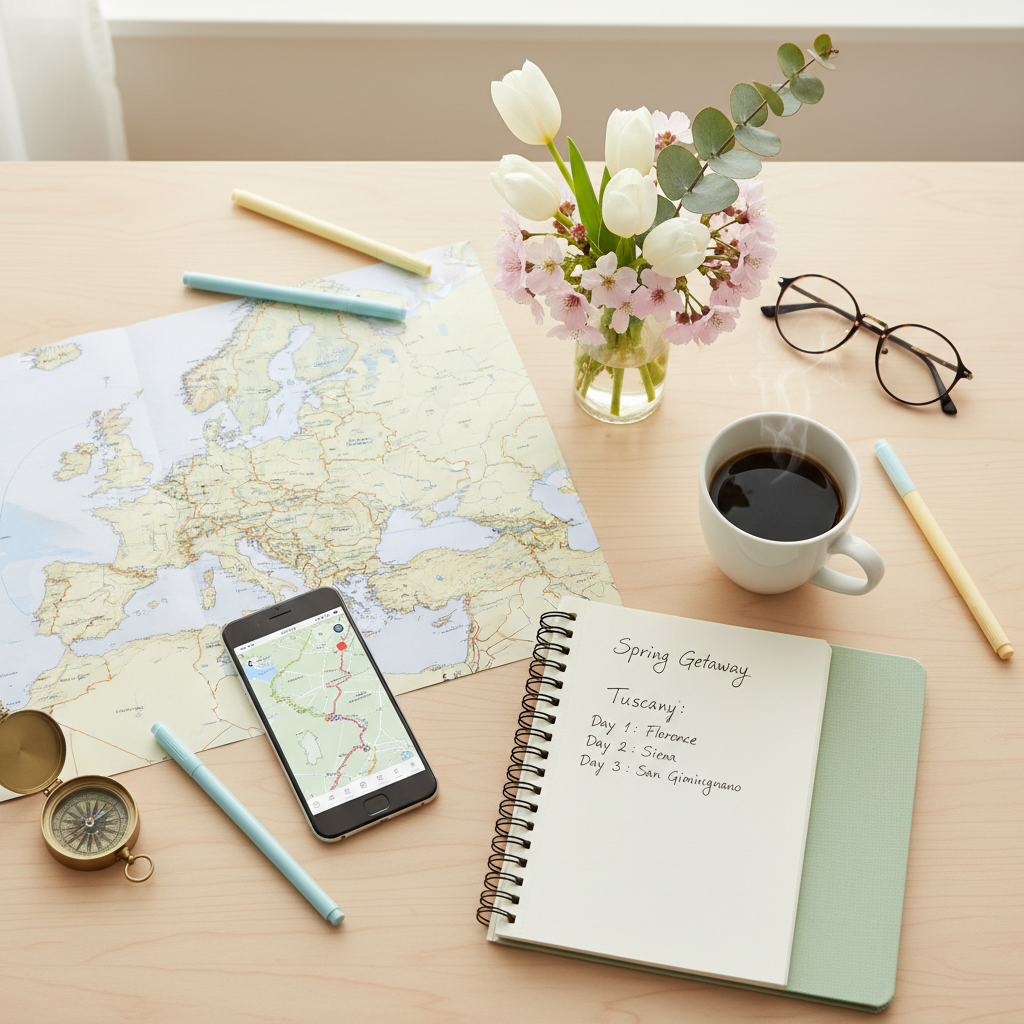
This guide focuses on choices that actually move the needle: timing, pacing, packing for changeable conditions, and a few habits that make spring travel feel easier. You’ll also get a quick self-check, a packing table, and a plan you can copy.
Pick a spring trip style before you pick a destination
People usually start with a place, then get surprised by what spring “means” there, shoulder-season prices in one region, lingering snow in another, allergy season somewhere else. A better starting point is your trip style, because it dictates the tradeoffs you can live with.
- Bloom-chasing: gardens, wildflowers, scenic drives, slower days, early mornings for photos.
- City break: museums, food, walking neighborhoods, rainy-day backup built in.
- Outdoor-first: hiking, national parks, lakes, but with weather-flex days.
- Family-friendly: shorter drives, predictable meal options, playgrounds, low-friction logistics.
Key point: your best spring destination is often the one that fits your pacing, not the one trending on social media.
Time it right: crowds, weather swings, and what “shoulder season” really feels like
Spring travel can feel like a cheat code, but only if you’re realistic about timing. Midweeks often feel calmer, and many areas swing from chilly mornings to warm afternoons in the same day.
According to the National Park Service, many parks see seasonal crowding patterns and conditions that vary by month and elevation, so checking official park alerts and road status before you lock plans helps avoid nasty surprises.
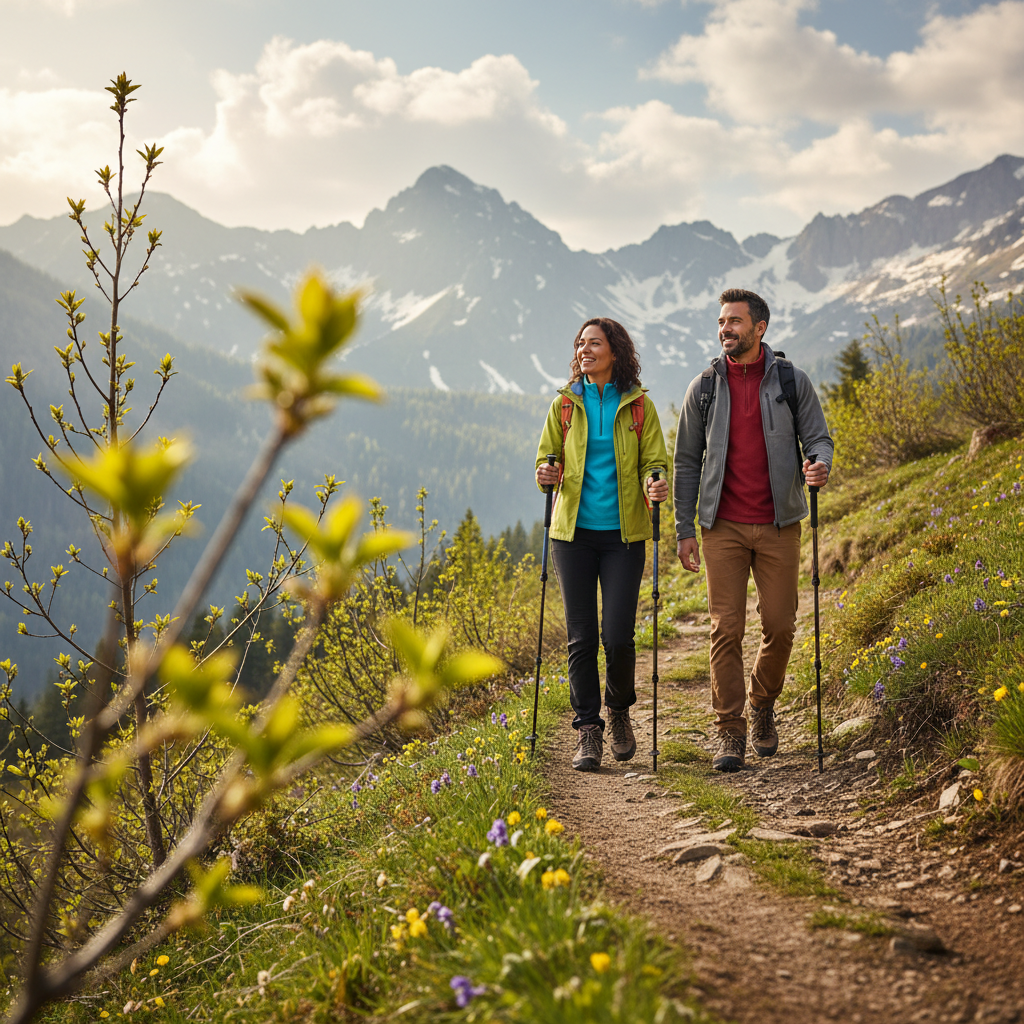
Practical timing tips that usually work in the U.S.:
- Shift your main activities earlier: mornings are cooler, trails and popular spots feel less crowded.
- Build “weather buffers”: keep one flexible block each day so a storm doesn’t wreck the whole plan.
- Watch school calendars: spring break weeks can spike prices and crowds, even in places you wouldn’t expect.
A quick self-check: what tends to ruin your spring trips?
Before you plan details, be honest about what typically derails your enjoyment. This part is less glamorous, but it saves trips.
Checklist
- You overpack the itinerary, then feel guilty when you skip things.
- You underestimate rain or temperature swings, then spend time shopping for basics.
- Everyone wants something different, and decisions drag out each day.
- You plan “perfect” photo moments and get frustrated by crowds or haze.
- You forget recovery time, then day three feels like a grind.
If you checked 2+ items, your spring travel plan should prioritize simplicity and flexibility over squeezing in more stops.
Plan an itinerary that feels light, not empty
To answer how to enjoy spring travel fully in real life, aim for a “two anchors per day” structure. It prevents the trip from becoming a constant negotiation and still leaves room for spontaneity.
The two-anchor method
- Anchor 1 (morning): one must-do, ideally outdoors or in a popular spot.
- Anchor 2 (late afternoon/evening): one reservation or a neighborhood to wander.
- Everything else: optional, chosen based on energy and weather.
Keep travel days honest. If you’re driving 4–6 hours, treat that as the main event, add one easy walk or dinner area, and call it done.
Pack for spring swings: the layering table you can actually use
Spring packing is less about bringing more, more about bringing the right layers. Many travelers pack for the warmest forecast, then lose comfort when the wind picks up or a cold front rolls in.
Here’s a simple, mix-and-match approach:
| Condition | What it feels like | What to wear/bring |
|---|---|---|
| Cool morning + warm afternoon | Chilly start, comfortable later | Light jacket, breathable tee, packable layer |
| Windy viewpoints | Temperature drops fast | Windbreaker, light gloves, beanie or cap |
| Spring rain | On-and-off showers | Water-resistant shell, compact umbrella, quick-dry socks |
| Indoor-heavy day | Climate-controlled, lots of walking | Comfortable shoes, light sweater, crossbody bag |
| Allergy-prone areas | Sneezing, itchy eyes | Consider masks, tissues; medication if appropriate, ask a pharmacist/clinician if unsure |
Small but high-impact items: blister care, a reusable water bottle, portable charger, and a dry bag for electronics if you expect rain.
Be present without “missing out”: simple habits that make the trip feel fuller
Many people chase spring “highlights” and still feel like the trip slipped by. The fix is rarely more activities, it’s a few tiny rituals that slow time down.
- Pick one sensory focus per day: scent of blossoms, sunset colors, a specific local dish, a neighborhood soundtrack.
- Take fewer photos, take better pauses: one 60-second stop can make a memory stick more than 40 rushed shots.
- Plan one “aimless hour”: no map, no reviews, just walk, sit, notice.
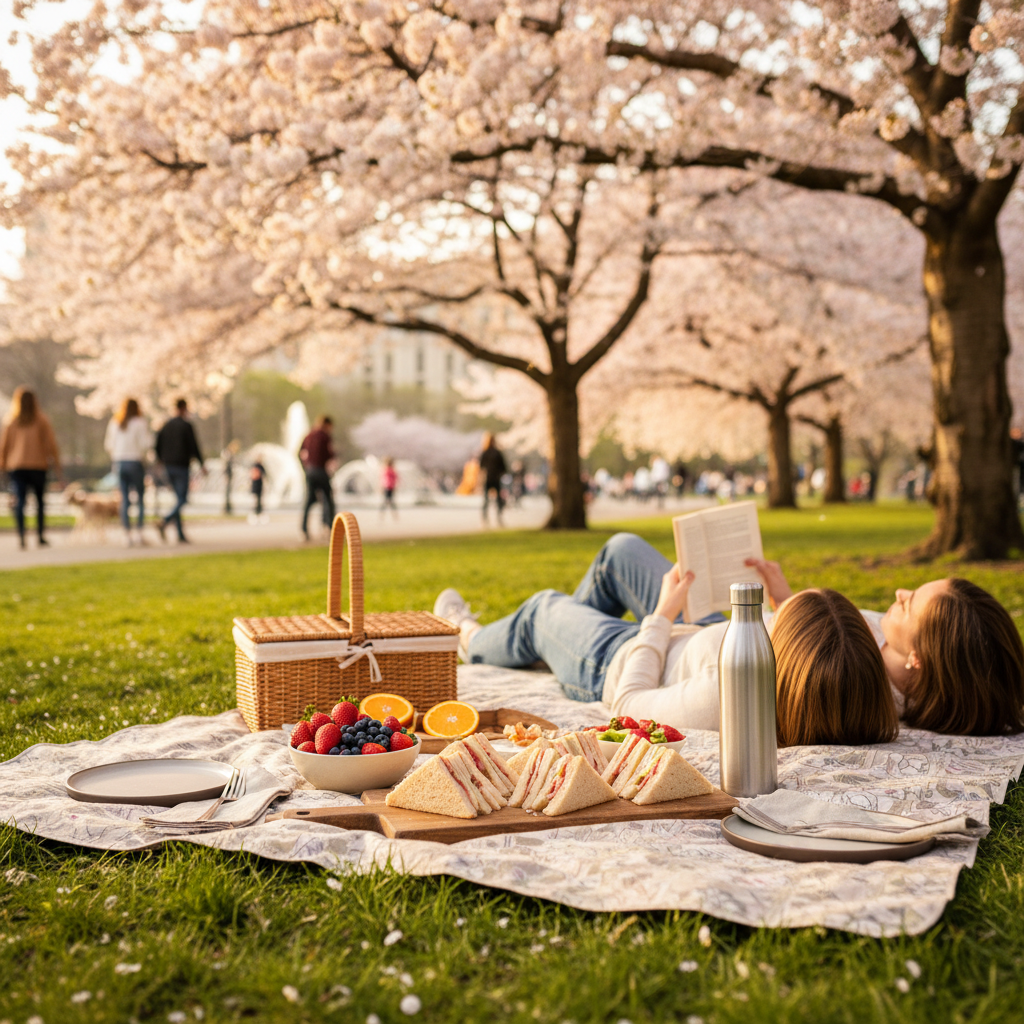
If you travel with others, decide early who leads what. One person handles food picks, another handles navigation, another picks the daily “anchor.” It sounds basic, but it cuts decision fatigue fast.
Safety and comfort: what to double-check in spring
Spring conditions can change quickly, and comfort issues tend to show up as “we didn’t think about that” moments. You don’t need to over-worry, just cover the common gaps.
- Weather and alerts: check local advisories before hikes or coastal drives. According to the National Weather Service, rapidly changing conditions can affect travel safety, so monitoring official forecasts is a smart habit.
- Trail and road conditions: mud, runoff, lingering snow at elevation, seasonal closures.
- Sun exposure: spring sun can still burn, especially at altitude, bring sunscreen and sunglasses.
- Health considerations: if you have asthma or significant seasonal allergies, symptoms may flare in some regions; medication choices are personal, and it’s reasonable to consult a healthcare professional if you’re uncertain.
Practical step-by-step plan (copy/paste)
If you want a straightforward way to apply how to enjoy spring travel fully, use this sequence. It keeps planning efficient and reduces last-minute stress.
- Choose your trip style (bloom, city, outdoor, family) and define one priority.
- Pick dates with buffers: if possible, midweek start, avoid peak break weeks, leave one “floating” half-day.
- Set two anchors per day, then stop planning details.
- Build a weather plan B list: 3 indoor options, 3 low-effort outdoor options.
- Pack layers using the table, keep shoes and outerwear reliable.
- During the trip: each morning, check forecast, pick optional activities based on energy, not guilt.
Key takeaways: timing beats hype, layers beat overpacking, and a lighter itinerary usually feels richer once you’re on the ground.
Conclusion: make spring travel feel like spring
Spring trips go best when you stop trying to “win” the destination and start designing days you can actually enjoy. Keep two anchors, pack for change, and give yourself permission to do less when the weather or your energy says so. If you want a simple next step, draft a one-page plan tonight, then cut one activity from each day on purpose, that’s often where the breathing room comes from.