
how to pack for winter travel warm is mostly a layering problem, not a “bring every sweater you own” problem, once you plan around temperature swings, wind, and time outdoors, your bag gets lighter and your days get easier.
If you have ever arrived in a cold city feeling bulky, still somehow cold, and annoyed that your suitcase is packed with things you never wore, you already know why this matters, winter trips punish random packing.
This guide focuses on what actually keeps you warm in real-world travel, walking to transit, standing in lines, wet snow, overheated museums, plus how to pack it so you can move, repeat outfits, and still look put-together.
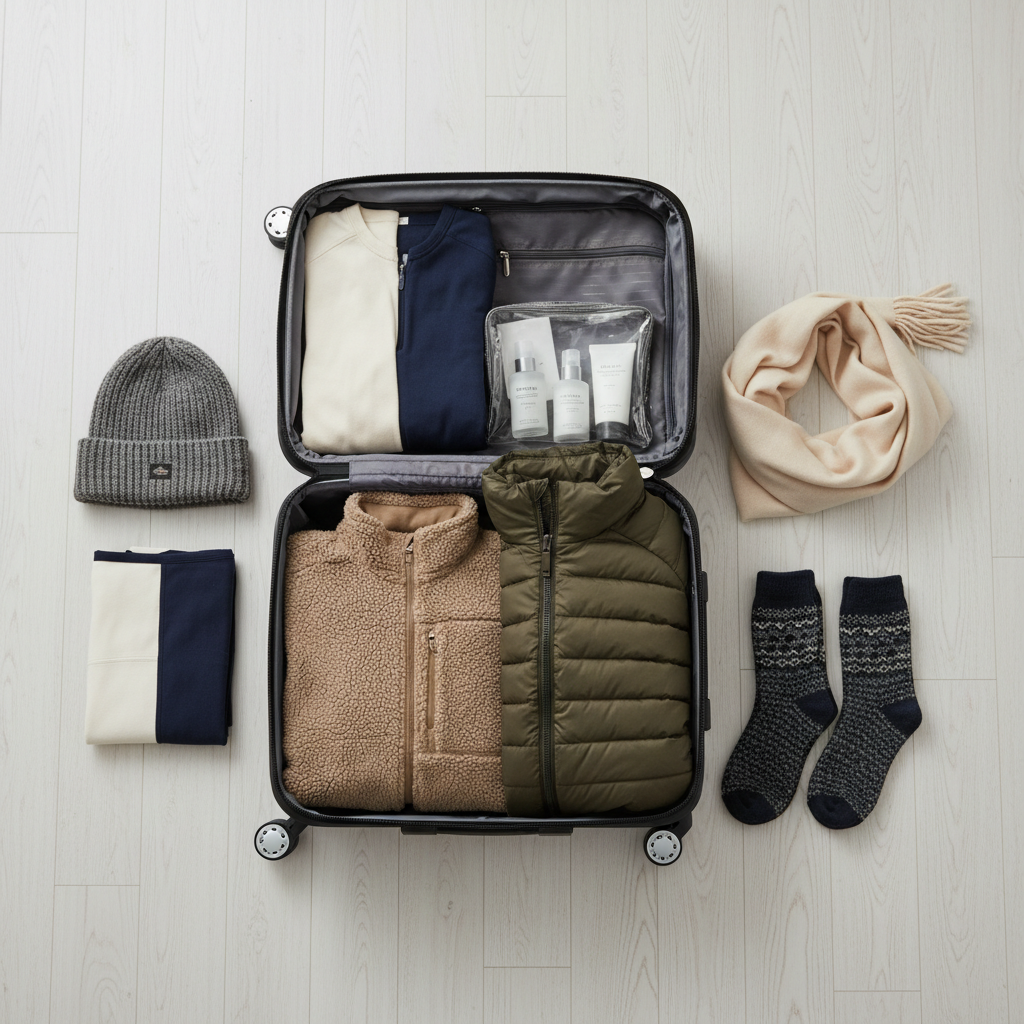
Why winter travel packing goes wrong (and how to fix the logic)
Most people don’t under-pack warmth, they under-pack systems, a winter outfit works when each part has a job, moisture control, insulation, and weather protection.
- Over-relying on one big coat: A heavy parka feels safe, but indoors you overheat, then sweat, then you feel colder outside, layers manage that better.
- Too much cotton: Cotton tends to hold moisture, once damp it can feel chilly, especially if you walk a lot.
- Ignoring wind and wet: 30°F with wind can feel harsher than a calmer 20°F, “warm” depends on conditions, not just the number on your app.
- No plan for repeat wears: Winter items are bulkier, so if you don’t plan re-wears you end up with a suitcase full of air.
According to National Weather Service, wind can significantly increase heat loss from exposed skin, which is why a good shell layer and covered extremities matter even when temps seem “not that bad.”
Quick self-check: what kind of winter trip are you packing for?
Before you pick clothes, answer these quickly, it changes everything from outerwear choice to sock count.
- How many hours per day outdoors? Under 1–2 hours vs 6+ hours needs different insulation.
- Dry cold or wet cold? Snow + slush usually means waterproofing becomes a priority.
- Urban or nature? City travel favors packable layers, outdoor trips demand more technical pieces.
- Doing laundry? If you can wash once, you can cut base layers in half.
- Cold sensitivity? Some people run cold, some run hot, your “standard advice” may need adjusting.
If you are unsure, pack for the colder scenario and build in venting options, zippers, removable layers, and a hat you can stash fast.
The layering formula that stays warm without blowing up your suitcase
When people ask how to pack for winter travel warm, this three-layer approach is the answer that holds up across most U.S. destinations, from a windy Chicago weekend to a snowy New England road trip.
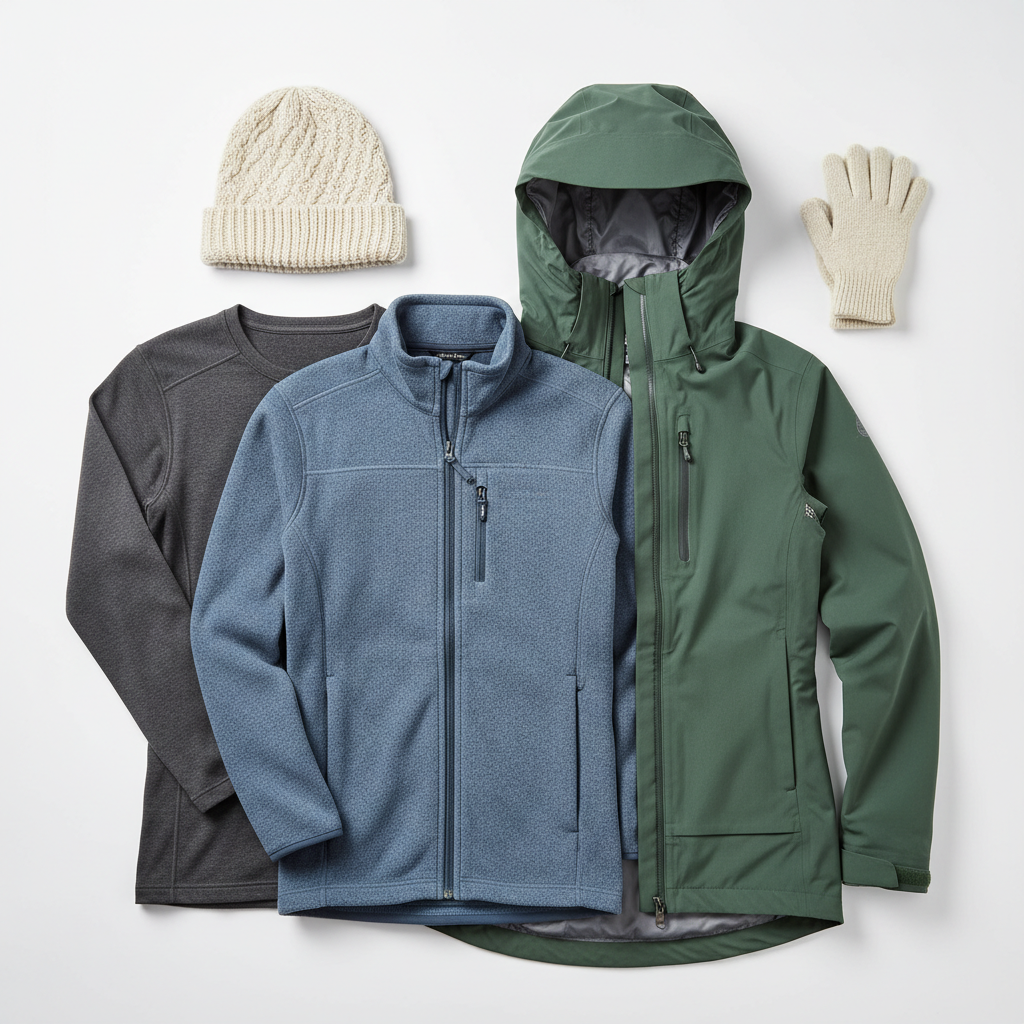
Layer 1: Base layer (stays dry)
Pick fabrics that move sweat away, merino wool or synthetics tend to work well, especially if you will walk a lot or go in and out of heated spaces.
- 2–4 base tops depending on trip length and laundry
- 1–2 base bottoms if you get cold easily or plan outdoor time
- Avoid heavy cotton tees as your only base in cold, damp conditions
Layer 2: Mid layer (holds heat)
This is your adjustable warmth, a fleece, lightweight down jacket, or wool sweater, choose items you can wear multiple days without fuss.
- 1–2 mid layers for a short trip
- Choose one “cozier” option and one “sleeker” option so outfits feel less repetitive
Layer 3: Outer layer (blocks wind and wet)
In many cases, a windproof and water-resistant shell plus a mid layer beats one ultra-bulky coat, if you do bring a parka, make sure you can still layer under it without feeling trapped.
- Shell jacket with hood if precipitation is likely
- Look for sealed seams or strong water resistance for slushy destinations
- Longer hem helps with wind, but mobility matters on stairs and transit
What to pack: a practical winter capsule wardrobe
Winter packing gets easier when you build a small capsule around two bottoms, a few tops, and accessories that do the heavy lifting, the goal is warmth per cubic inch.
Core clothing (typical 4–7 day trip)
- 2 bottoms: one jeans or thicker pant, one warmer option (lined pant, wool trouser, or leggings-as-pants)
- 3–5 tops: mix base tops and nicer knit tops for dinners
- 1 “indoor warm” layer: cardigan or light sweater for cold hotels and cafés
- Sleepwear: consider warmer socks or a thermal top if rooms run chilly
Accessories that change the whole day
- Hat: beanie that covers ears, easy to stash in a pocket
- Gloves: insulated, ideally touchscreen-friendly
- Scarf or neck gaiter: helps a lot in wind, and makes a lighter coat feel warmer
- Wool or wool-blend socks: 3–5 pairs, rotate and air out
Shoes (don’t improvise here)
One mistake shows up constantly, cute shoes that leak, cold feet will ruin your mood faster than almost anything.
- Water-resistant boots with traction for snow or slush
- One lighter shoe only if you truly need it for gym or nicer indoor plans
- Consider removable insoles, they dry faster overnight
According to CDC, falls are a major cause of injury, and slippery winter surfaces increase risk, if you expect ice, prioritize tread and stability over style.
Warmth-to-space table: what’s worth packing vs what’s not
If you are trying to pack warm while staying carry-on friendly, this is the tradeoff mindset, pick items that do more than one job and compress well.
| Item | Warmth-to-space value | Why it works (or doesn’t) |
|---|---|---|
| Packable down or synthetic puffer | High | Compresses small, adds strong insulation under a shell |
| Merino base layers | High | Warm for weight, often tolerates repeat wear better than cotton |
| Bulky chunky sweater | Medium | Warm, but eats suitcase space, harder to layer under coats |
| Extra jeans (multiple pairs) | Low | Heavy and slow to dry, you can usually re-wear one pair |
| Fashion coat with no wind protection | Low | Looks nice, but wind cuts through, you end up compensating with more layers |
How to pack it in a carry-on (without crushing your warm layers)
Warm clothing is puffy, but it packs better than you expect when you separate “fluffy” from “dense” and stop folding everything like a dress shirt.
Step-by-step packing plan
- Wear the bulkiest pieces in transit: boots, coat, one mid layer, you can always loosen or remove layers on the plane.
- Roll base layers and knits: they fill gaps and reduce hard creases.
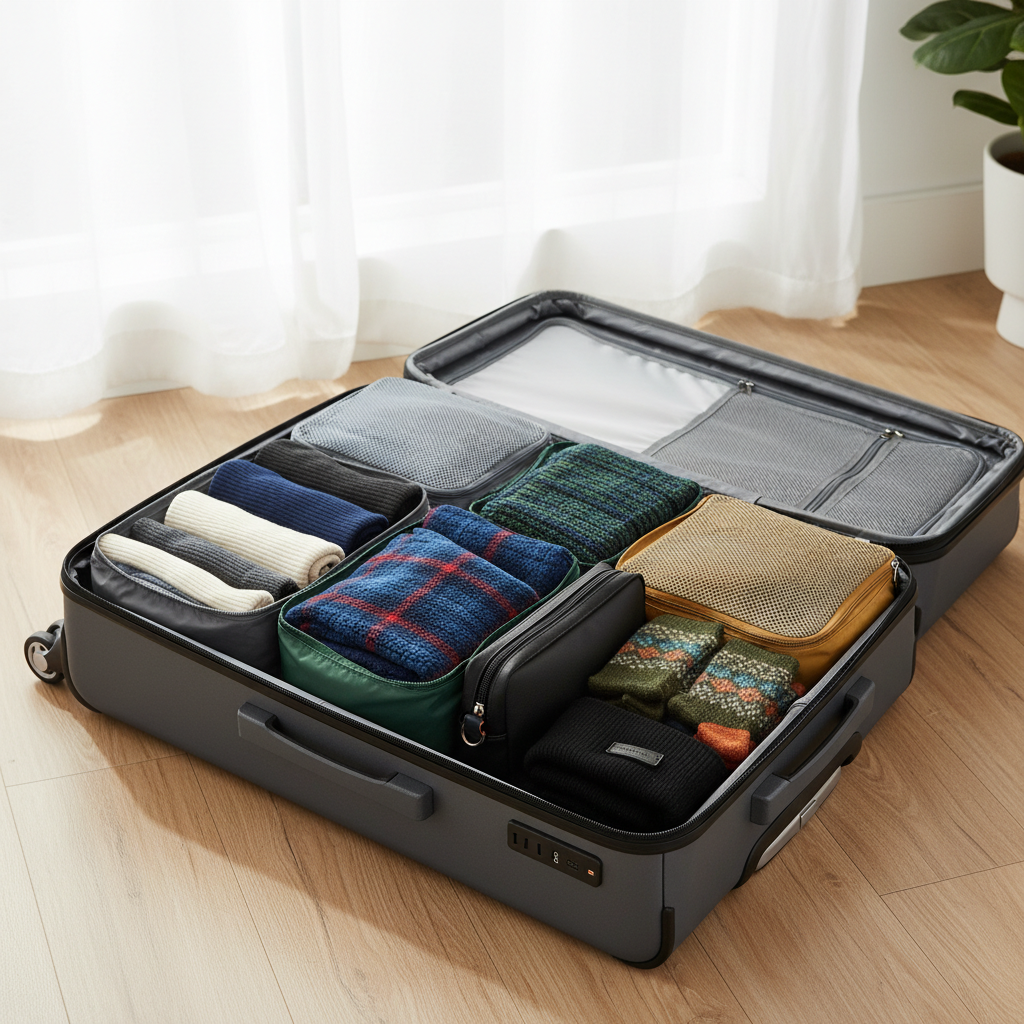
- Use packing cubes by function: one for base layers, one for mid layers, one for socks and accessories, it speeds up hotel life.
- Compress only what rebounds: puffers do, thick wool sweaters often stay misshapen.
- Put wet-risk items together: a small waterproof bag for gloves or socks that might get damp.
If you are checking a bag, keep one “warm set” in your personal item, base top, socks, hat, and gloves, luggage delays happen, and cold arrivals are miserable.
Cold-weather essentials people forget (and regret)
This is the small-stuff list that keeps you comfortable, many travelers skip it because it feels unglamorous, then end up overpaying at a gift shop.
- Lip balm and hand cream: cold air can feel dry, and indoor heating often makes it worse
- Mini laundry kit: a few detergent sheets or a tiny bottle for sink washing socks or base layers
- Reusable water bottle: dehydration can sneak up in winter, if you have health concerns, ask a clinician what’s appropriate
- Heat packs: helpful for long outdoor events, though comfort and skin sensitivity vary
- Sunglasses: snow glare can be intense on bright days
According to American Academy of Dermatology Association, cold weather and low humidity can contribute to dry skin, basic moisturizers and gentle cleansers usually help, but persistent irritation may deserve professional advice.
Common mistakes that make you colder, even with “warm” clothes
Some packing errors don’t look like errors until you are outside and annoyed, fixing these often matters more than buying new gear.
- Tight layers: if socks or base layers restrict circulation, feet and hands feel colder, size for comfort.
- No ventilation plan: a coat with no zipper options can trap sweat, then you chill later.
- Skipping neck and head coverage: many people bring extra sweaters instead of a scarf and a hat, that trade usually fails in wind.
- Assuming “waterproof” means “warm”: waterproof shells can feel cold without insulation underneath.
- Overpacking duplicates: three hoodies take space and don’t layer well, two smarter layers beat three random ones.
When you should get more specific advice (safety and comfort)
If you have medical conditions affected by cold, circulation issues, asthma, Raynaud’s, or you are traveling with infants or older adults, it can be worth checking with a clinician about cold exposure, and building a more conservative plan.
For high-altitude winter trips, deep backcountry plans, or extreme cold warnings, consider guidance from local authorities and park services, and prioritize safety gear over “nice-to-have” outfits.
Conclusion: a warm trip comes from a plan, not a huge suitcase
Once you treat winter outfits as a simple layering system, how to pack for winter travel warm becomes a repeatable routine, pick moisture-managing bases, one or two serious mid layers, a weather-ready outer shell, then let accessories handle the final comfort tweaks.
Your next step can be simple, sketch 3–4 outfits you will actually wear, then pack only what supports those, and if you still feel tempted to toss in one more sweater, swap it for better socks or a scarf instead.
Key takeaways
- Layering beats bulk for warmth, comfort, and packing space.
- Feet, hands, head, neck are the fast wins for feeling warmer.
- Plan re-wears and laundry options to cut volume.
- Pack for wind and wet, not just temperature.
FAQ
- How do I pack warm for winter travel without overpacking?
Build around 2 bottoms, 3–5 tops, and a layering set you can repeat, then invest space in socks, gloves, and a scarf, they do more work than extra sweaters. - What is the best base layer for staying warm while traveling?
Many travelers like merino wool or synthetic base layers because they manage moisture well, but comfort varies by skin sensitivity and budget, so test at home if possible. - Do I need a heavy parka for a winter city trip?
Not always, for lots of indoor stops, a lighter insulated layer plus a windproof shell can feel more comfortable, if you will be outside for long stretches, a warmer coat may still be worth it. - How many pairs of socks should I pack for a cold-weather trip?
For a week, 3–5 pairs of wool or wool-blend socks is a realistic range if you can air them out, if you expect wet conditions, bring an extra pair or plan a quick wash. - What shoes should I bring for snow and slush?
Water-resistant boots with reliable traction are the safer bet, if you know you’ll face ice, prioritize grip and stability, not just insulation. - Can I do winter travel with just a carry-on?
In many cases yes, especially if you wear your bulkiest pieces and keep a tight capsule wardrobe, the biggest limiter is usually footwear and whether you need technical outerwear. - How do I stay warm on a plane without packing a blanket?
Use your base layer top, a mid layer, and warm socks, then keep a scarf or neck gaiter handy, planes vary a lot, so adjustable layers beat one thick item.
If you are trying to pack warm for a winter trip but your destination has unpredictable weather, a simple way to get unstuck is to list your daily outdoor hours and precipitation risk, then build your layers around that, it keeps decisions practical and your bag under control.