
how to get around singapore easily comes down to two things: leaning on the MRT and buses for most trips, then using ride-hailing tactically when weather, luggage, or timing makes transit annoying.
Singapore is compact and well connected, but first-timers still lose time on small frictions, choosing the wrong fare option, entering the wrong MRT platform, or underestimating rain and heat. A little planning turns “Where do I tap?” into “I’ll be there in 20 minutes.”
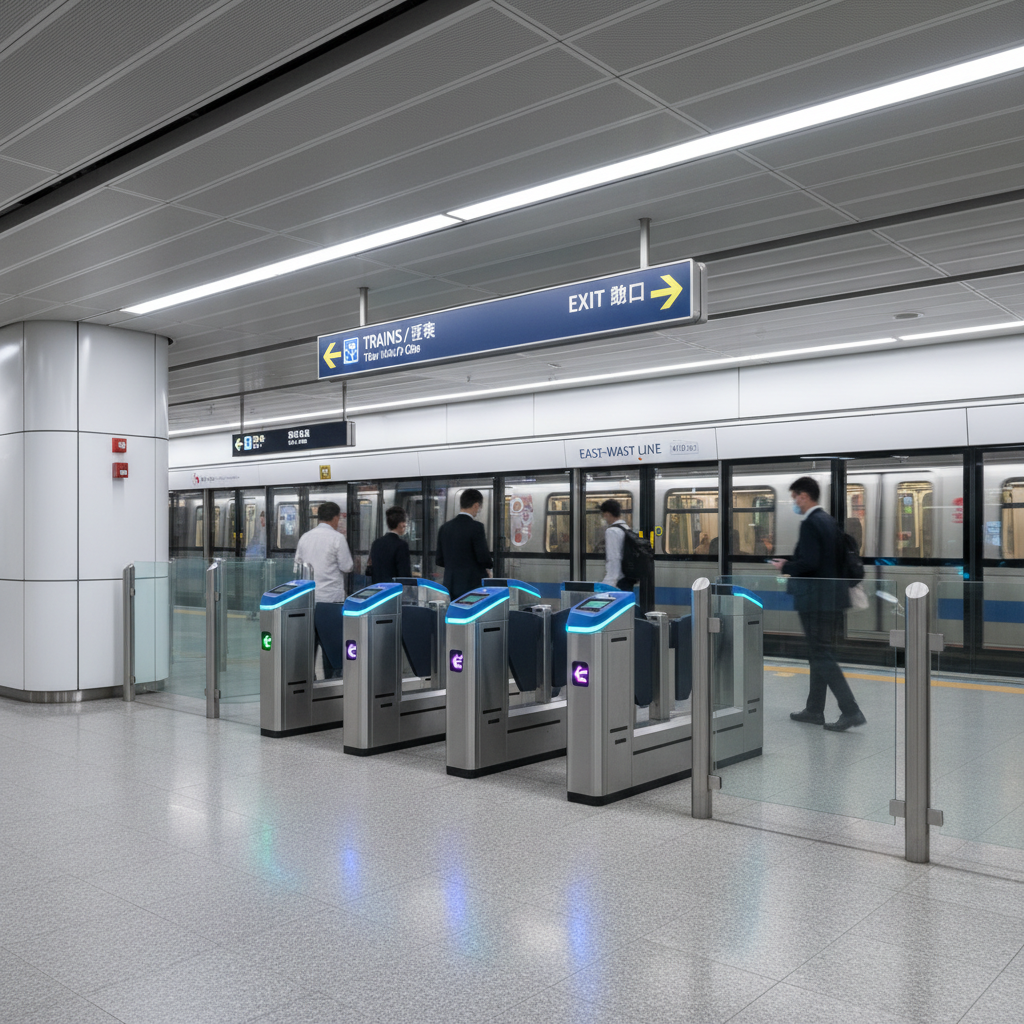
This guide focuses on real choices Americans usually face in Singapore, which payment method is easiest, when buses beat the train, how to handle late nights, and what to do when you land at Changi with bags and zero patience.
Understand your main options (and what each is best at)
If your goal is to get around Singapore without overthinking, treat transportation like a toolkit, not a single “best” method. Most travelers mix these options daily.
- MRT (subway): Fast, predictable, air-conditioned. Best for cross-city trips and popular corridors.
- Public buses: Slightly slower but often more direct door-to-door, great for short hops and neighborhoods.
- Ride-hailing/taxis: Convenient for rain, late nights, groups, or luggage. Costs vary by demand.
- Walking: Surprisingly practical in dense areas like Marina Bay, Chinatown, and Orchard edges, but plan for heat.
- Airport transfers: MRT works for many hotels, but a car can be worth it when you arrive exhausted.
According to the Land Transport Authority (LTA), Singapore’s public transport network is designed for integrated, multimodal travel, which is a fancy way of saying the system expects you to combine train and bus when needed.
Choose the easiest way to pay: tap-in basics for visitors
The easiest “win” for how to get around Singapore easily is removing ticket stress. In many cases you can simply tap a contactless bank card or mobile wallet at gates and on buses.
Common payment choices
- Contactless credit/debit (Visa/Mastercard) or Apple Pay/Google Pay: Low friction, no top-ups. Good for short trips and travelers who dislike cards and kiosks.
- Transit cards (tourist or stored-value): Useful if you prefer separating travel spending, or if your bank card has foreign transaction quirks.
According to the Land Transport Authority (LTA), commuters can use contactless bank cards for fare payments on public transport, which often works well for U.S. travelers who already rely on tap-to-pay.
Practical tip: stick to one payment method per person, per day. Mixing a phone tap in the morning and a physical card at night can create confusion when you try to track charges later.
Use the MRT like a local: simple habits that save time
The MRT is the backbone for most tourist routes, and it’s usually the most reliable way to get across town. The trick is not “learning the whole map,” it’s adopting a few habits that prevent wrong turns.
- Navigate by line color + end station: Platforms are labeled by direction, usually the terminal station name.
- Don’t chase the closest station, chase the easiest transfer: One clean transfer can beat a shorter walk to a station with messy connections.
- Give yourself buffer at interchange stations: Interchanges can involve longer corridors than you expect.
- Avoid peak crush if you can: Weekday commute hours can make trains feel much tighter, even if service stays frequent.
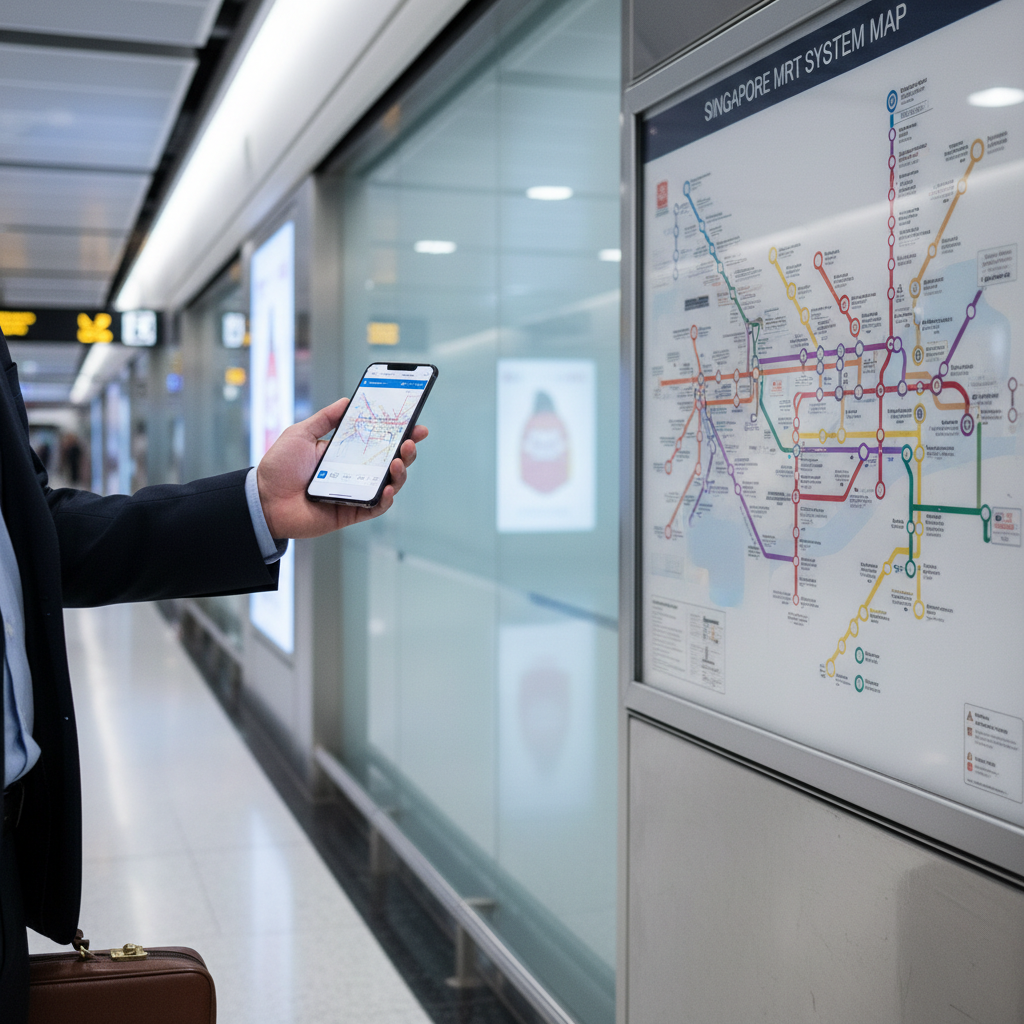
If you’re wondering how to get around Singapore easily with minimal planning, start by identifying your hotel’s nearest MRT station and one “hub” interchange you’ll likely use more than once, then build from there.
Buses: when they’re better than the train (and how to ride without stress)
Buses can feel intimidating because routes look endless, but they’re often the easiest way to reach specific streets, hawker centers, and residential areas without transfers.
A simple bus checklist
- Boarding: tap when you get on.
- Exiting: tap when you get off, fares typically depend on distance.
- Stops: use a map app to watch your progress, then press the stop button early.
- Etiquette: keep bags close, move inward, and offer priority seats when appropriate.
Good moments to choose a bus: you’re traveling 1–3 miles within the same area, you want fewer stairs, or the MRT route requires an awkward transfer for a short trip.
Ride-hailing and taxis: the “it’s raining” plan
Even if you love public transit, there will be moments when a car makes the day smoother, heavy rain, late reservations, tired kids, or luggage. The key is using ride-hailing strategically so you don’t accidentally spend your whole budget on convenience.
- Best use cases: airport to hotel with bags, late-night returns, cross-town trips when you’re soaked, small groups splitting cost.
- Watchouts: surge pricing during peak demand, pickups at busy malls can add waiting time.
- Taxi stands still matter: at certain hotspots, a taxi queue can be faster than waiting for an app pickup.
According to the Singapore Tourism Board, visitors have multiple transport choices including public transport and taxis, which is a useful reminder that “easy” sometimes means paying a bit more at the right moment, not grinding through transfers.
Quick comparison table: what to take, depending on your day
If you’re planning a day of sightseeing and you want how to get around Singapore easily without decision fatigue, use this as a quick filter.
| Scenario | Usually easiest choice | Why it works | Small tip |
|---|---|---|---|
| Marina Bay + Downtown attractions | MRT + walking | Stations are close, sidewalks are tourist-friendly | Plan one indoor break during mid-day heat |
| Neighborhood food hunt | Bus + short walk | More direct to local streets than rail | Track stops live on your phone |
| Rainstorm hits | Ride-hailing/taxi | Comfort and speed matter more than cost | Walk to a less busy pickup point |
| Airport arrival with luggage | Car or MRT (depends) | MRT is efficient, car is low-effort | If you choose MRT, avoid heavy bags at peak hours |
| Late night return | Taxi/ride-hailing | Some routes become less convenient late | Confirm pickup location before requesting |
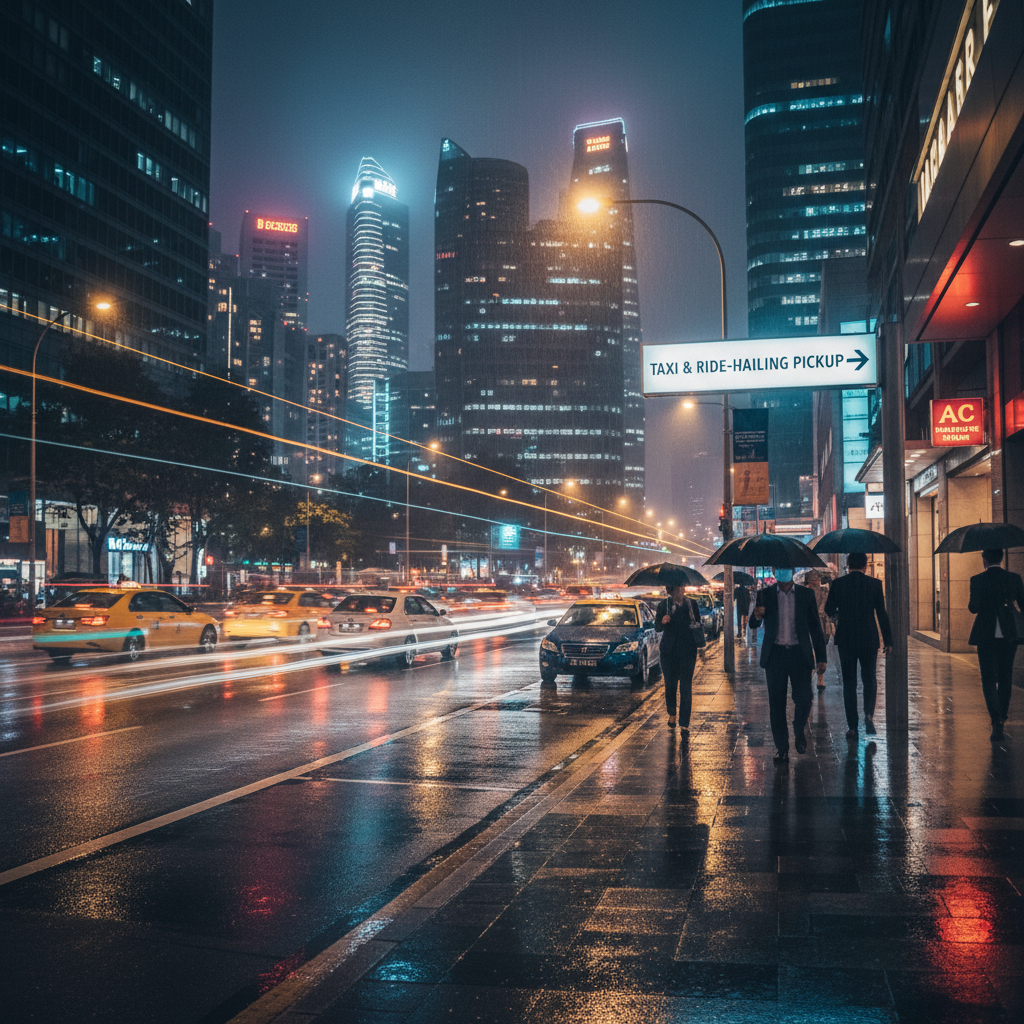
Many travelers default to cars too early, then wonder why costs creep up. A simple rule that often holds: public transit for planned daytime stops, cars for the “high-friction” segments.
Practical itineraries: copy-and-adjust routes that feel easy
Sometimes the hardest part of how to get around Singapore easily is the first decision of the day. Here are a few simple patterns you can adapt.
Classic first-timer day (minimal transfers)
- Morning: MRT to a central station near Marina Bay
- Midday: walk between nearby attractions, keep lunch flexible
- Afternoon: one MRT hop to Chinatown or Orchard
- Evening: ride-hailing back if you’re tired or it rains
Food-focused day (bus-friendly)
- Pick two neighborhoods, not five
- Use MRT to enter the area, then buses to bounce between spots
- Plan a “backup” hawker center within a 10-minute walk
Family or mobility-sensitive day
- Favor fewer transfers, even if the trip takes slightly longer
- Use ride-hailing for one leg to reduce fatigue
- Schedule indoor breaks, heat and humidity can sneak up
Safety, comfort, and common mistakes to avoid
Singapore is generally easy to navigate, but comfort issues can derail plans faster than route planning. Heat, rain, and crowding do most of the damage.
- Heat and hydration: if you’re not used to humidity, you may feel drained sooner, consider carrying water and taking cooling breaks. If you have medical concerns, it’s sensible to consult a healthcare professional.
- Rush-hour expectations: trains can get busy, but service remains organized, give yourself extra time if you dislike crowds.
- Luggage on transit: doable, just not fun at peak periods or on routes with long interchanges.
- Wrong platform anxiety: confirm the end station name for your direction, not just the line color.
- Overplanning: stacking too many far-apart stops creates unnecessary transfers, keep daily clusters tight.
Key takeaways for getting around smoothly
If you want how to get around Singapore easily to feel true in practice, not just on paper, aim for a simple default: MRT as your spine, buses for short local jumps, and ride-hailing for weather, time pressure, or luggage.
- Tap-to-pay is often the easiest starting point for U.S. visitors.
- Optimize for fewer transfers, not just shortest distance.
- Plan around rain and humidity, they change what “easy” means.
Your next step is straightforward: pick one day’s neighborhood cluster, confirm the nearest MRT station to your hotel, then decide in advance which one or two trips you’ll “upgrade” to a car for comfort.
FAQ
- Is the MRT enough for most tourist attractions?
In many cases, yes, especially for central areas. You might still prefer a bus for very local stops, or a car when weather turns. - Do I need to buy a transit card, or can I use my U.S. credit card?
Many travelers can use a contactless card or mobile wallet, which feels easiest. If you want tighter spending control or your card has issues abroad, a stored-value option can reduce hassle. - Are buses hard if I only speak English?
Usually not, English signage is common and map apps do most of the work. The main habit is remembering to tap off when exiting. - What’s the easiest way to get from Changi Airport to my hotel?
It depends on luggage and location. MRT can be efficient for light bags and central stops, while a taxi or ride-hailing ride can feel worth it after a long flight. - How do I avoid getting soaked during sudden rain?
Carry a compact umbrella and keep a ride-hailing option in mind for the one segment that would be miserable wet. Also, covered walkways help, but they won’t connect everything. - Is it safe to take public transport late at night?
Singapore is generally considered safe, but personal comfort varies. If you feel uneasy or you’re traveling alone late, using a taxi can be a reasonable choice. - How much walking should I expect each day?
Even with transit, you’ll walk between stations, malls, and attractions. Comfortable shoes matter more than people think, especially in humid weather.
If you’re planning a short trip and you’d rather not spend vacation time comparing routes, build a simple “default plan” around MRT hubs, then keep ride-hailing as your backup for rain, luggage, and late nights, it’s usually the most stress-saving combination.