
Choosing a travel toothbrush kit eco setup usually comes down to two things you feel on day one of a trip: the kit takes up too much space, or it creates a little pile of plastic you did not plan to bring home.
The good news is you can make a kit that stays genuinely practical, keeps your mouth comfortable on the road, and cuts waste without turning your toiletry bag into a science project. The trick is picking materials that travel well, and packing them in a way that stays dry and clean.
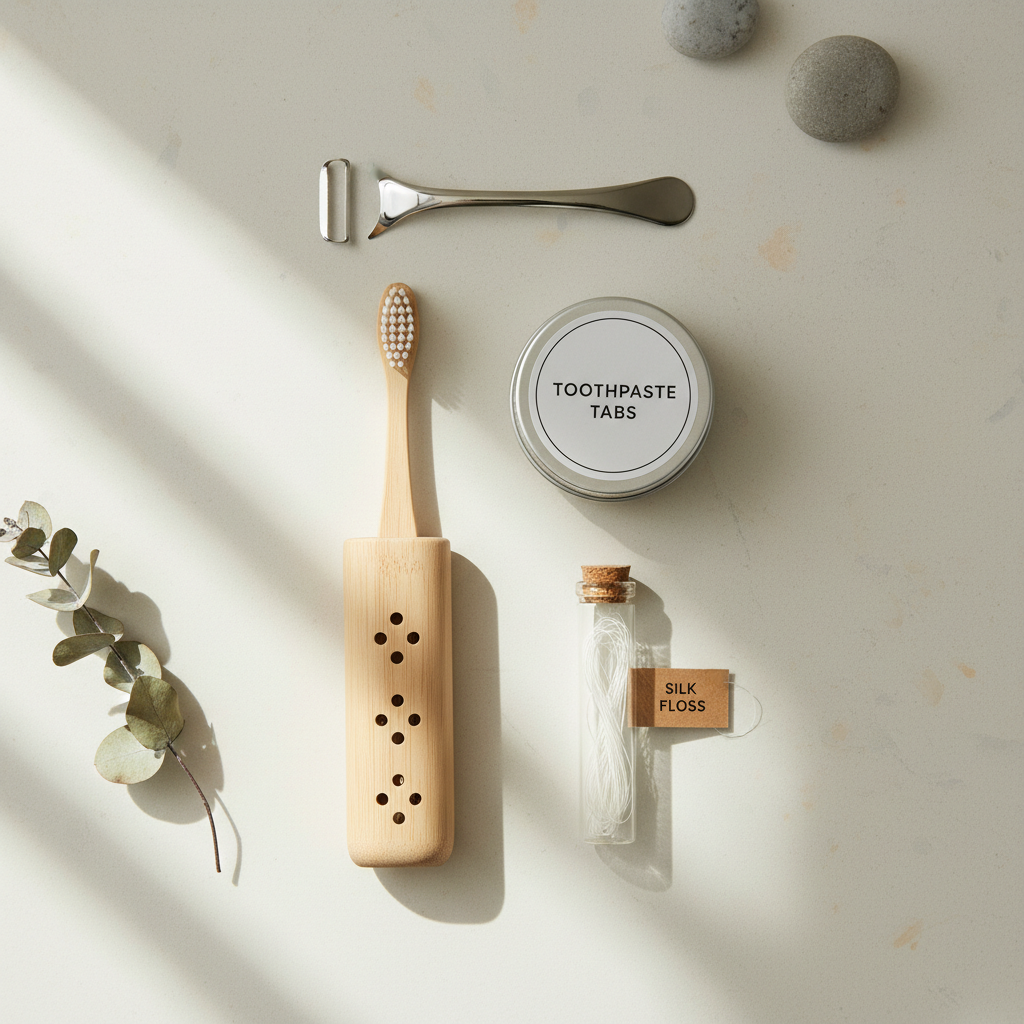
People also mix up “eco” with “minimal.” Sometimes the most sustainable choice is the one you actually use consistently, because skipping hygiene, then buying emergency mini-toothpaste and a throwaway brush at a convenience store tends to create more waste and more frustration.
Below, I break down what makes an eco-friendly travel kit work in real life, how to check whether your current setup is the problem, and how to build a version that fits carry-on rules and your routine.
What makes a toothbrush kit “eco” for travel, realistically
A travel kit earns the eco label when it reduces waste and avoids common travel hygiene tradeoffs, like damp cases, moldy smells, or items you toss mid-trip. In practice, that usually means focusing on materials, refills, and longevity.
- Lower single-use plastic: refillable containers, tablet toothpaste, or larger multi-use items instead of many minis.
- Durable core tools: a brush handle you keep, a case that lasts, and a floss solution you can refill.
- Responsible end-of-life: compostable or recyclable components where realistic, plus easy disassembly.
- Travel-safe hygiene: ventilation, drying time, and leak prevention matter as much as materials.
According to American Dental Association (ADA), toothbrushes are typically replaced every 3–4 months, or sooner if bristles fray. That replacement cycle is why “eco” is often more about reducing repeated waste than finding a perfect one-time purchase.
Why most “eco” travel kits still disappoint on trips
If you have tried a sustainable kit and quietly went back to drugstore minis, you are not alone. The failures are usually basic, and fixable.
- They stay wet: airtight cases trap moisture, and damp bristles get funky fast in a suitcase.
- They leak: DIY jars and tins work until pressure changes or a loose cap turns your bag into a minty mess.
- They feel rough: some bamboo brushes have bristle stiffness that bothers gums, especially if you already have sensitivity.
- They add steps: if brushing requires opening three containers, you will skip parts of the routine at least once.
- They ignore TSA reality: liquids limits and messy pastes push people back to single-use travel tubes.
In other words, a travel toothbrush kit eco option works best when it is designed around drying, simplicity, and refills, not just “natural-looking” packaging.
Quick self-check: which travel situation are you packing for?
Before you buy anything, sort yourself into a travel scenario. It changes what “best” means.
Fast checklist
- Carry-on only and you hate checking bags
- Hotel stays vs camping/hostels (sink access and drying time differ a lot)
- Short trips (1–3 nights) vs long trips (a week+)
- Sensitivity (gums, braces, aligners, dry mouth) where comfort matters more than trends
- Shared bathroom where you want a cleaner, enclosed system
If you are carry-on only, toothpaste tablets and a compact ventilated case do most of the heavy lifting. If you are outdoors, durability and drying speed matter more than sleek aesthetics.
Building your eco travel toothbrush kit: the core components
You do not need a dozen items. Most people get excellent coverage with five components, then add one or two extras based on needs.
Key takeaway: prioritize a kit that dries fast, packs tight, and refills easily, those three features prevent the “I gave up” moment.
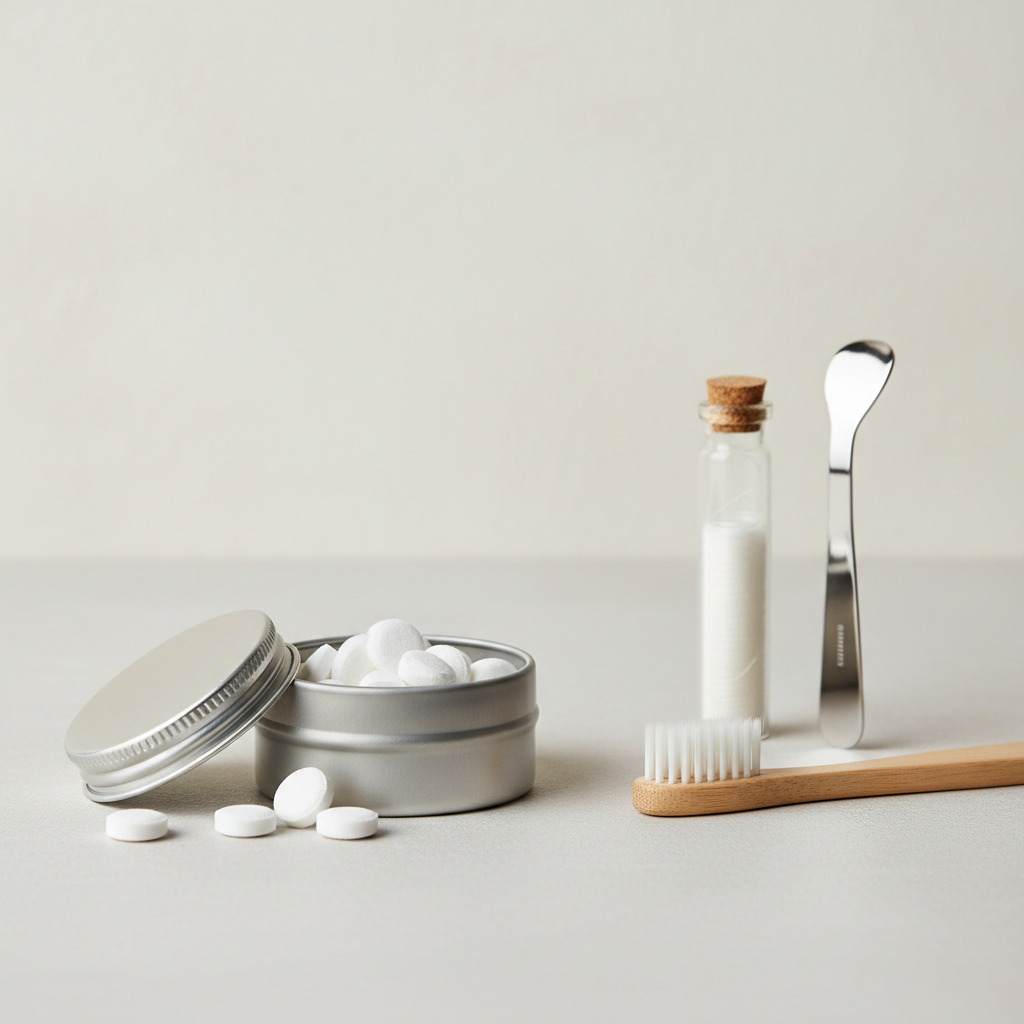
1) Toothbrush: what to choose and what to avoid
- Replaceable-head toothbrush: often the best balance, you keep the handle and replace less material.
- Bamboo toothbrush: can be a good low-plastic option, but check bristle comfort and handle finish.
- Manual vs electric: for short trips, manual is simpler; for longer trips, a compact electric can be worth it if you already use one daily.
If you have gum recession, sensitivity, or orthodontics, a brush that feels “too stiff” can irritate tissue. In that case, sustainability should not override comfort, and it may be smart to ask your dental professional what bristle type fits your situation.
2) Toothpaste: tablets, powder, or travel-size paste
- Toothpaste tablets: great for TSA and mess control, but flavor and foam vary by brand, so test at home.
- Powder: travel-friendly, though many people dislike the texture.
- Refillable small tube: if you prefer paste, refill from a larger tube to reduce mini waste.
According to Centers for Disease Control and Prevention (CDC), fluoride helps prevent cavities. If you are cavity-prone, check whether your tablet or paste includes fluoride, and if you are unsure what is appropriate for you, a dentist can help you pick.
3) Floss: the small item that adds up
- Refillable floss container: reduces the constant purchase of new plastic dispensers.
- Floss picks: convenient, but typically higher waste, consider them only if it is the difference between flossing and not flossing.
4) Case: ventilation beats “sealed” almost every time
A sealed case looks tidy, but moisture is the enemy during travel. A ventilated case or a cover that protects bristles while still letting airflow through tends to work better, especially if you pack right after brushing.
- Look for drain holes or breathable vents
- Avoid fabric pouches that stay damp
- Pick a case you can rinse and dry quickly
5) Optional add-ons that are actually useful
- Tongue cleaner if you get morning breath quickly on trips
- Small bottle of alcohol-free mouth rinse only if you will use it, otherwise it becomes “dead weight”
- Interdental brushes for braces, bridges, or wider spaces
Eco options compared: a practical table
This is not about finding one perfect answer, it is about matching the kit to your trip style.
| Option | Eco upside | Travel upside | Watch-outs |
|---|---|---|---|
| Toothpaste tablets + ventilated case | Less plastic, fewer minis | TSA-friendly, no leaks | Some brands taste or foam differently |
| Replaceable-head toothbrush | Less material per replacement | Feels familiar, easy routine | Heads may be harder to find mid-trip |
| Bamboo toothbrush + refillable floss | Lower plastic footprint | Simple, lightweight | Comfort varies, disposal depends on bristles |
| Refillable mini toothpaste tube | Reduces repeated mini purchases | Uses your preferred paste | Can still leak if cap loosens |
Packing and daily use: keep it clean without overthinking it
Most “gross kit” problems come from packing too quickly. A few small habits keep your gear fresher, and they do not require perfection.
- Shake off water and let the brush air-dry for a minute while you do another step.
- Separate wet and dry items if you pack immediately, even a small zip pouch just for the brush helps.
- Use solids when possible if you are tired of leaks, tablets solve this for many people.
- Rinse the case every few days on longer trips, then dry it while you are out for the day.
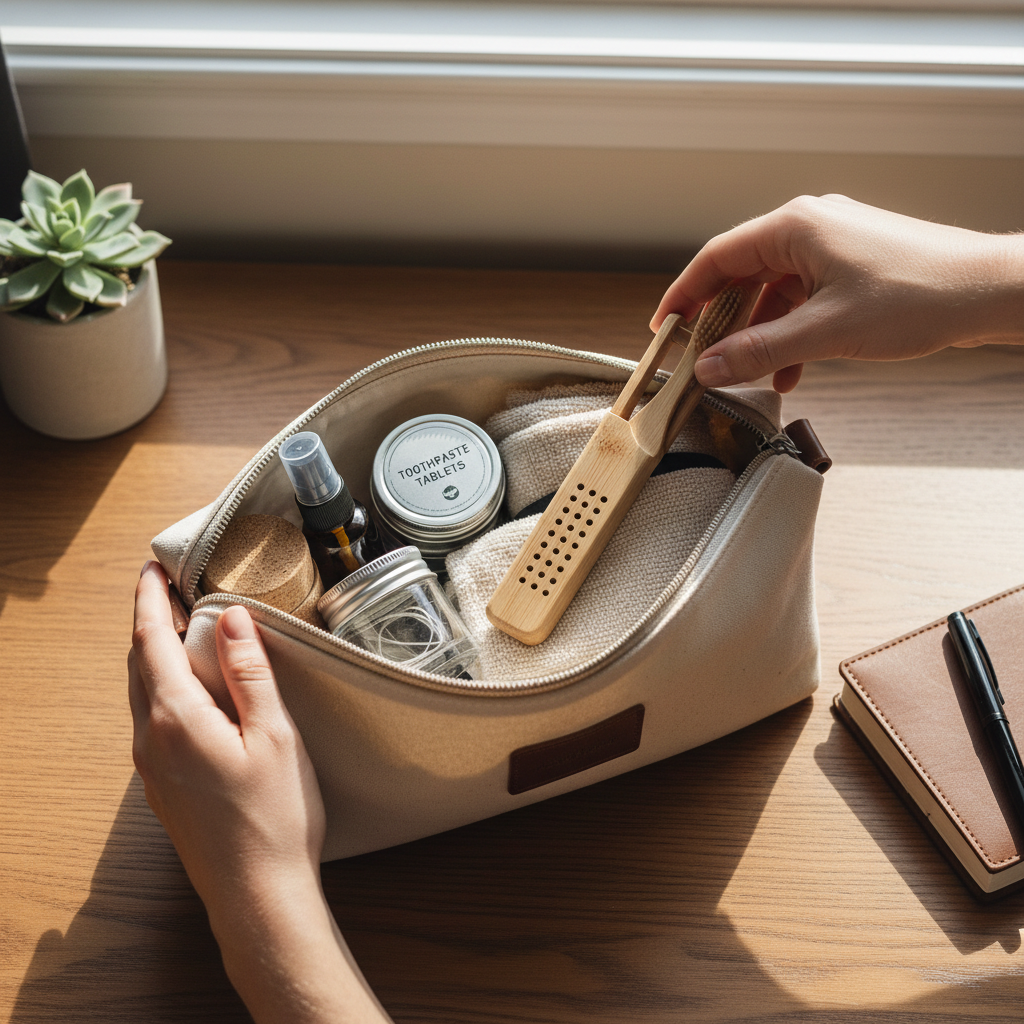
If you share a bathroom, a slightly more enclosed case can be worth it for hygiene, but try to choose one with vents. That balance is where a lot of eco kits quietly win.
Common mistakes and “green” myths to ignore
- Buying a new kit for every trip: the greenest kit is the one you keep using, swapping only what wears out.
- Assuming bamboo equals compostable: many bamboo brushes still use nylon bristles, you may need to remove bristles before composting the handle, and rules vary by local compost programs.
- Going fluoride-free by accident: it is easy to grab a trendy option that does not match your dental needs.
- Overpacking backups: one spare head or one extra brush is reasonable on long trips, three backups is just clutter.
Also, “eco” does not have to mean expensive. A smart travel toothbrush kit eco setup often saves money over time simply by cutting down on repeated mini purchases.
When it makes sense to ask a dental professional
If travel tends to trigger sensitivity, gum irritation, or bleeding that does not settle, it is worth checking in with a dentist or dental hygienist. The goal is not to diagnose yourself from a packing list, it is to avoid making symptoms worse with a brush or paste that does not suit you.
- Frequent gum bleeding when brushing or flossing
- Persistent bad breath despite routine cleaning
- Braces, implants, or recent dental work
- Dry mouth from medications, altitude, or long flights
They can recommend bristle softness, interdental tools, and whether a fluoride product is the safer default for your cavity risk.
Conclusion: a simple eco kit you will actually keep using
A good sustainable travel setup is less about being “perfectly plastic-free” and more about building a routine that survives airports, late check-ins, and tiny hotel sinks. If you want the fastest upgrade, start with a ventilated case and a toothpaste format that never leaks, then refine from there.
Action ideas: pick one refillable item to swap in this week, and run a two-day test at home so your next trip does not become the testing ground.
FAQ
What should be in a travel toothbrush kit eco setup for carry-on only?
A ventilated case, a comfortable brush, toothpaste tablets or a refillable mini tube under TSA limits, plus floss. Keep it tight so you are not tempted to buy emergency minis.
Are toothpaste tablets as effective as regular toothpaste?
Many people find tablets work well for day-to-day travel brushing, but formulations vary. If cavity prevention is a concern, check for fluoride and consider asking your dentist what fits your needs.
How do I stop my travel toothbrush from smelling musty?
Drying is the main fix. Shake off water, let it air-dry briefly, and use a case with vents. On longer trips, rinse the case and let it dry while you are out.
Is bamboo toothbrush travel-friendly?
Often yes, it is lightweight and simple, but comfort can vary and some finishes swell if kept wet. Pair it with a breathable case and do a quick home test before relying on it for a long trip.
How often should I replace a toothbrush while traveling?
Follow typical replacement guidance, and replace sooner if bristles fray or you have been sick. If you travel frequently, consider a replaceable-head option so you only swap the worn part.
Can I bring mouthwash in an eco travel kit?
You can, but it is easy to overpack. If you like mouthwash, a small refillable bottle helps, and alcohol-free options may feel gentler for some people, especially with dryness.
What is the most common mistake people make with sustainable travel oral care?
Buying new “eco” items repeatedly instead of maintaining one kit. Refillable basics and a case that stays clean usually beat frequent replacement.
If you are building your first eco-friendly kit and want it to feel effortless, focus on one upgrade that removes friction, like switching to tablets for mess-free packing or choosing a ventilated case that keeps things fresher between hotel stays.