
Ancient ruin travel guide planning usually breaks down in the same two places, picking a site that matches your interests, and figuring out how to visit without wasting half your trip in lines, heat, or logistics confusion.
If you love history, ruins can feel like time machines, but they can also feel like expensive piles of stone if you arrive at the wrong hour, with no context, and a tour that talks past you. A little planning fixes most of that.
This guide focuses on practical decisions history fans actually care about, what kind of ruins fit your “history flavor,” how to plan a day that flows, what to bring, and how to avoid the common missteps that quietly ruin the experience.
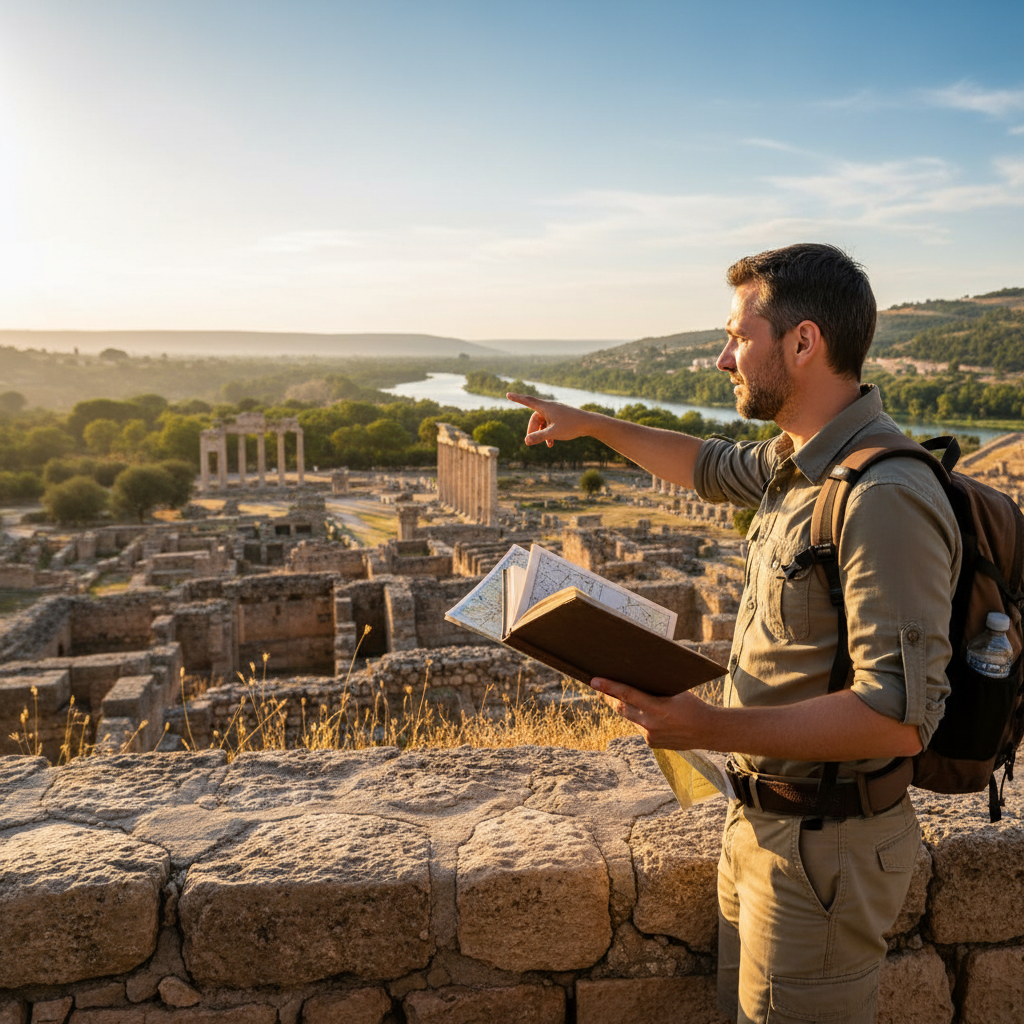
Pick the right ruins: match the site to the story you want
The biggest “this wasn’t worth it” moment often comes from a mismatch: you wanted political history, but booked a site that shines mostly in architecture, or you wanted an atmospheric lost-city feel and ended up at a heavily reconstructed park.
Try choosing your destination by story type, not by fame level.
- Daily life and cities: look for preserved streets, homes, workshops, and signage, these tend to reward slow wandering.
- Empires and power: palaces, ceremonial complexes, monumental gates, and capitals usually deliver that scale.
- Military history: forts, walls, watchtowers, and border sites make strategy easier to visualize.
- Sacred and ritual: temples, tomb complexes, pilgrimage routes, and rock-cut sites can feel intense, bring cultural sensitivity.
- “Deep time” layers: sites with multiple eras stacked together are great if you enjoy comparing periods.
According to UNESCO World Heritage Centre, inscriptions often summarize why a site matters and what is protected, reading that short statement before you buy tickets can save you from unrealistic expectations.
A quick self-check: what kind of history traveler are you?
You do not need a personality quiz, just a few honest answers to decide how to structure your visit.
- If you get impatient without context, you’ll enjoy guided interpretation (small-group tour, audio guide, or a well-reviewed museum first).
- If you hate crowds, you need timing control more than you need a longer itinerary.
- If you love photography, prioritize light and sightlines, not just “must-see” checklists.
- If you like reading plaques, plan for slower pacing and fewer sites per day.
- If mobility is a concern, you’ll want access details before committing, ruins often mean uneven stone and steep paths.
One more honest check: do you want to “see the famous spot” or do you want to understand a place? Both are valid, but they produce very different day plans.
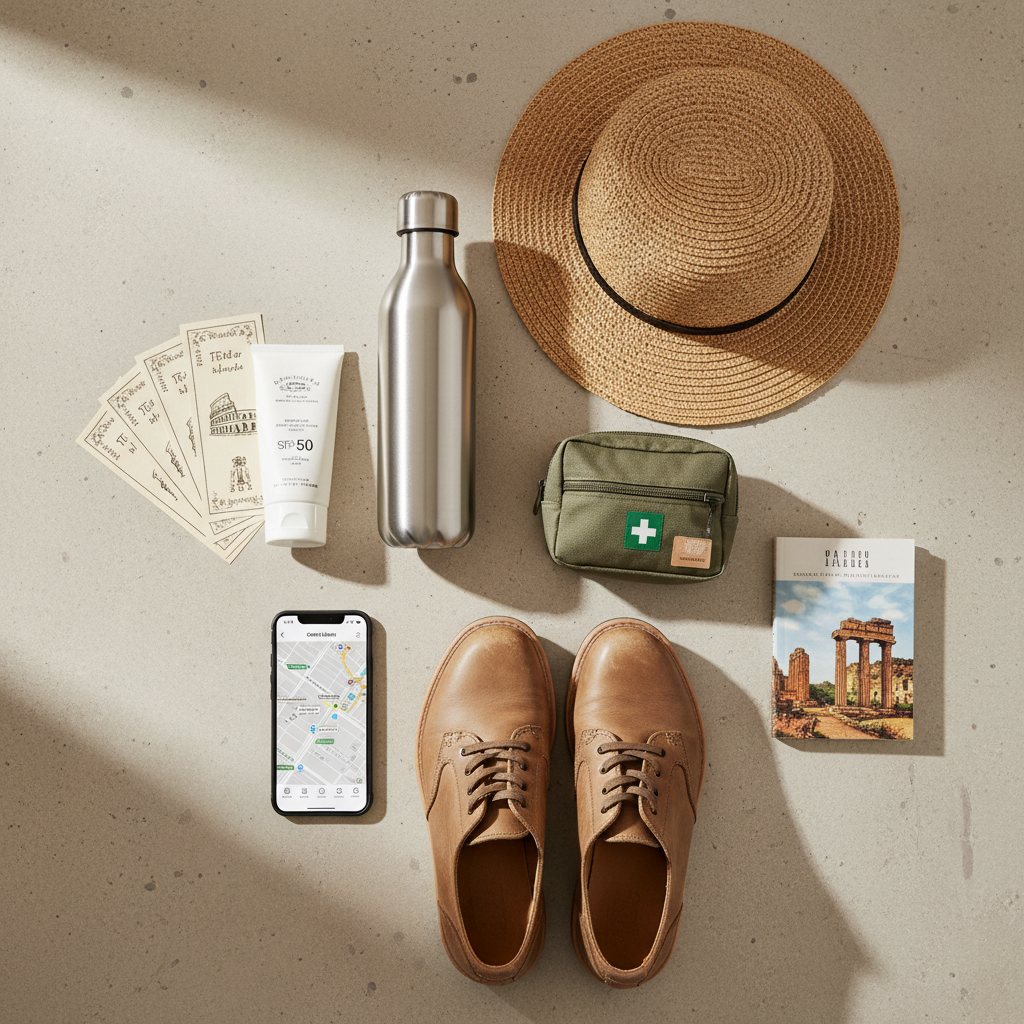
Build a ruin-day plan that actually works (timing, routes, tickets)
A solid ancient ruin travel guide is less about trivia and more about managing friction: heat, crowds, transport, and how long it takes to move through the site at your pace.
Timing: treat it like an outdoor event
- Go early when possible, both for light and for less crowd pressure at chokepoints.
- If a site offers timed entry, book it, even if you dislike rigid schedules, it can reduce standing in the sun.
- Plan the most exposed areas for the coolest part of the day, save museums and shaded sections for later.
Route planning: one site can be “three visits”
- Intro loop: quick pass to understand layout and pick your focus areas.
- Deep loop: spend time where the story is richest for you.
- Exit loop: revisit one highlight when crowds shift, then leave before fatigue turns into annoyance.
Tickets and access: small checks prevent big disappointments
- Verify whether on-site transport exists (shuttles, trams) or if you’ll walk everything.
- Look for last entry time, it often matters more than closing time.
- Confirm rules about bags, tripods, drones, enforcement varies by site.
Context that makes ruins come alive (without overloading your brain)
Most people do not need a long reading list, they need the right 20 minutes of context. The goal is to arrive with a simple mental map: who built it, what it was for, what changed, and why it ended up in ruins.
- Read a short site overview the night before, aim for one page, not a full book chapter.
- Use one primary theme while walking, like “trade,” “water systems,” or “defense,” then notice evidence on the ground.
- Start at the museum or visitor center if it exists, artifacts and models make the stones readable.
According to the U.S. National Park Service, visitor safety and resource protection often depend on staying on established paths and following posted guidance, which is especially relevant at fragile historic sites.
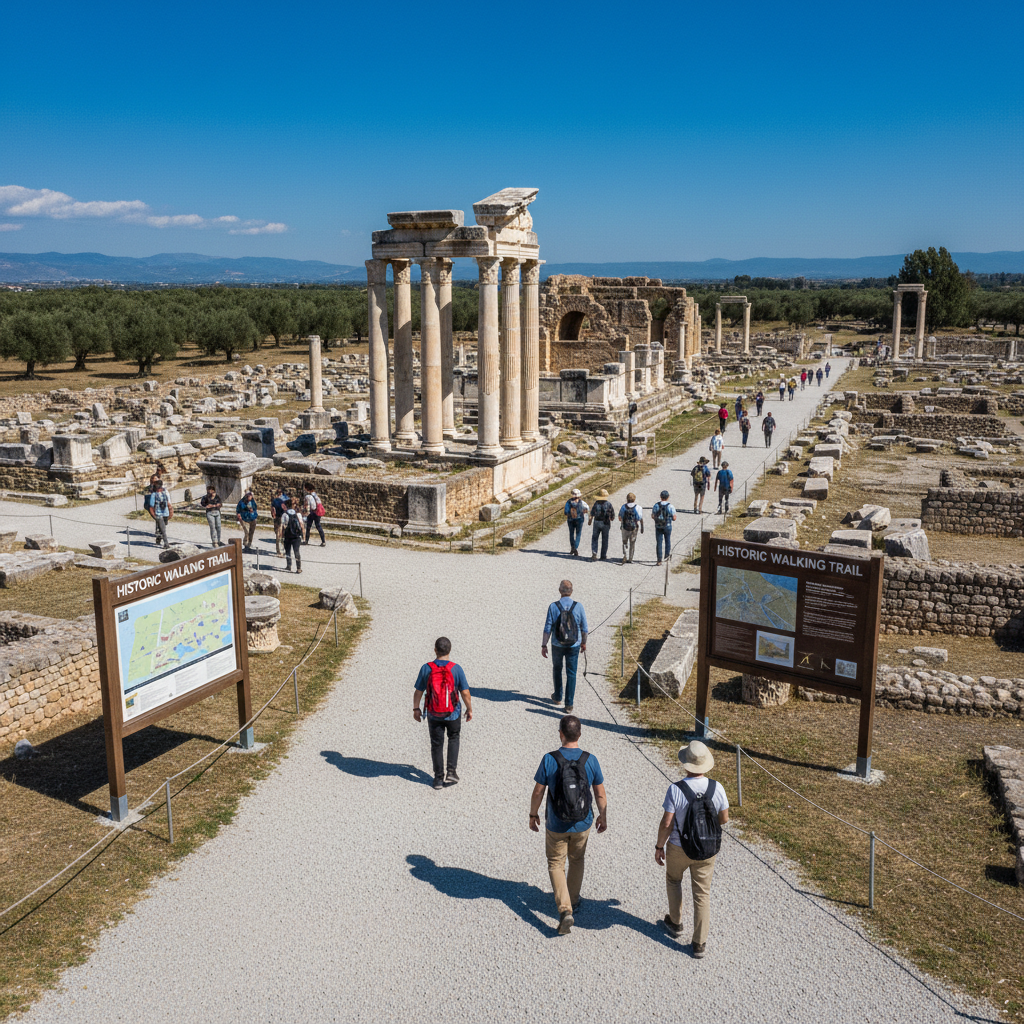
Safety, etiquette, and conservation: enjoy the site without harming it
Ruins reward curiosity, but they also punish careless choices, uneven stones, sudden weather, and restricted areas are where problems start. If you have health concerns, it may help to ask a medical professional about heat exposure or strenuous walking.
- Footing: wear shoes with grip, “cute sandals” and ancient steps rarely cooperate.
- Heat and water: carry more water than you think you need, dehydration sneaks up when you’re focused.
- Respect barriers: ropes and signs usually protect fragile surfaces, not just control crowds.
- Touching and climbing: oils and pressure can damage stone and paint remnants, even if it looks sturdy.
- Cultural sensitivity: tombs and sacred areas can require quiet behavior and modest clothing, norms vary by country and site.
Practical packing and budgeting: what matters, what’s optional
You can overpack for ruins, the trick is carrying the few items that prevent discomfort, because discomfort is what makes people rush.
Essentials that earn their spot
- Water + electrolytes if heat is likely
- Sun protection (hat, sunscreen), many sites have limited shade
- Offline map and a backup plan for weak signal
- Small cash for shuttles, lockers, or local snacks, depending on the region
- Light layers if mornings are cool and afternoons spike
Optional, but nice for history fans
- Compact binoculars for inscriptions or high walls
- Notebook to capture names, dates, and questions for later reading
- Audio guide if you prefer control over pacing
Comparison table: choose the right visit style for your trip
If you feel stuck between “I’ll wing it” and “I need a full itinerary,” this quick table usually clarifies the choice.
| Visit style | Best for | Tradeoffs | What to do |
|---|---|---|---|
| Self-guided + short prep | Independent travelers, flexible pacing | Less context on-site if signage is weak | Read a 1-page overview, use a map route, pick 3 highlights |
| Audio guide | History fans who dislike group tours | Can slow you down, battery dependence | Download in advance, bring earbuds and a power bank |
| Small-group tour | First-time visitors, complex sites | Fixed pace, may focus on broad highlights | Choose a theme-focused tour, confirm walking distance |
| Private guide | Deep interest, limited time, accessibility needs | Higher cost, quality varies | Ask about credentials, route, and what’s included |
Key takeaways before you book
- Match ruins to your interests, “famous” is not the same as “meaningful.”
- Control timing and your day gets easier, especially for heat and crowds.
- Bring just enough context so the site reads like a place, not a pile of stones.
- Safety and conservation are part of the experience, not a buzzkill.
When your plan feels simple, that’s usually a good sign. One great site with time to absorb it often beats three rushed stops.
Conclusion: make ruins the highlight, not the hard part
A good ancient ruin travel guide mindset is practical: pick a site with a story you care about, build your day around timing and comfort, then add just enough interpretation to make details click. If you do one thing next, choose your visit style, self-guided, audio, or guide, and lock in the timing that protects your energy.
If you’re planning a bigger trip, save your notes right after the visit, what surprised you, what confused you, what you’d read next, that’s how a single day at ruins turns into a lasting history hobby.
FAQ
What should I read before visiting an ancient site if I have limited time?
A short official site overview plus one timeline of the civilization usually works, you want names and eras more than deep debates. If the site has a museum, reading less and arriving earlier often beats cramming.
How early should I arrive to avoid crowds at popular ruins?
Many travelers aim for the first entry window or right after opening, but it depends on transport and tour-bus patterns. If you can’t go early, consider late afternoon, just confirm last entry time.
Is an audio guide worth it for history fans?
Often yes, especially when signage is sparse, because it adds context without forcing a group pace. The downside is time, some people end up stopping every 20 feet, so pick “highlights mode” if available.
How do I choose between a group tour and a private guide?
If you want efficiency and a standard overview, a small-group tour is usually enough. If you have specific interests, accessibility needs, or tight timing, a private guide can be easier, quality varies so ask what route they use.
What are common mistakes people make at ruins?
Underestimating walking distance, arriving at peak heat, and skipping the basic context are the big ones. Another quiet mistake is trying to see everything, then remembering nothing.
Can I visit ancient ruins with kids?
In many cases yes, but plan for shade, water, and shorter loops, and check whether barriers and drop-offs are kid-friendly. Some sites have strict rules around climbing, which can frustrate kids without preparation.
What if I have mobility limitations, are ruins still doable?
Some are, some are genuinely tough, uneven ground is the norm. Look for accessibility notes, shuttle options, and whether there is a visitor center experience that provides value even if you can’t reach every section.
If you’re planning your next history trip and want a more streamlined way to build routes, packing lists, and timing around a specific destination, it may help to use a trip-planning template or a guide service that focuses on ruins, so you spend less time juggling logistics and more time actually absorbing the place.