
Buying a travel rain jacket lightweight enough for carry-on travel usually comes down to one tradeoff: do you want the smallest packed size, the best breathability, or the most storm-ready protection.
If you have ever arrived damp from a “waterproof” jacket that wetted out, or you brought a heavy shell you never wore, you already know why this category is tricky, the marketing sounds the same but the real-world feel is different.
This guide breaks down what actually matters for travel, how to self-check your trip style, and how to choose features you will use, not just pay for.
What “lightweight” really means for a travel rain jacket
In travel terms, lightweight is less about a magic number and more about packability, comfort, and versatility. A jacket can be “light” on a product page but still feel clammy, noisy, or restrictive when you walk fast through a city.
Most travel shells fall into three practical buckets, and each behaves differently once you wear it for more than 15 minutes.
- Ultralight emergency shells: tiny packed size, good for short showers, often limited venting and durability.
- Everyday travel shells: moderate weight, better comfort, usually the sweet spot for city + day hikes.
- Storm-focused shells: stronger fabric and features, more reliable in wind-driven rain, often bulkier.
According to NOAA, weather can shift quickly across many U.S. regions, so planning for “light rain” often turns into dealing with steady drizzle, wind, and temperature swings on the same day.
Key materials and weather ratings (without the marketing fog)
For a travel rain jacket lightweight purchase, materials matter more than most feature lists. You will feel the difference in humidity, on subway stairs, and when the jacket sits against your skin for hours.
2-layer, 2.5-layer, 3-layer: what you actually need
- 2-layer: face fabric + membrane, separate liner inside. Often comfortable, not always the most packable.
- 2.5-layer: adds a printed “protective” layer instead of a full liner. Packs small, can feel clammy on bare arms.
- 3-layer: most durable and stable feel, typically best long-term, usually costs more and packs slightly larger.
Waterproof vs. water-resistant vs. “wets out”
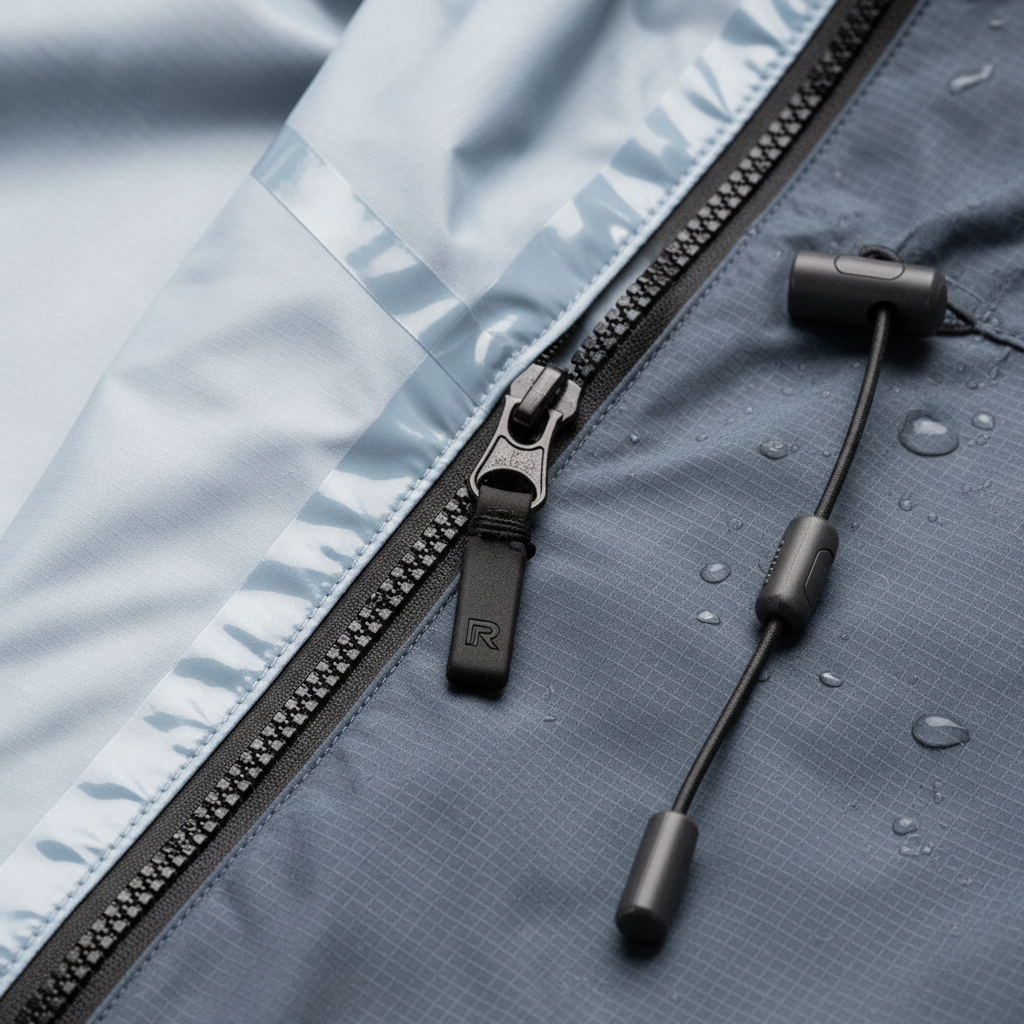
Waterproof usually means taped seams and a membrane, but even a good membrane can feel like it “failed” when the outer fabric absorbs water. That is called wetting out, and it often comes from a tired DWR finish, body oils, or abrasion from backpack straps.
Breathability claims are hard to compare across brands because test methods vary, so treat them as rough guidance, not a promise. If you run warm, prioritize pit zips or smart venting over a single breathability number.
A quick self-check: what kind of traveler are you?
Before you compare jackets, decide which scenario you are buying for. This avoids paying for features you will not use, or worse, bringing the wrong shell for the trip you actually take.
- Mostly city, lots of walking: comfort and breathability beat maximum storm specs.
- Day hikes + casual use: look for a tougher face fabric and a hood that moves with your head.
- Frequent downpours, coastal wind: prioritize hood structure, brim, and reliable seam sealing.
- One-bag / minimalist packing: pack size, weight, and multi-season layering matter most.
- Hot and humid destinations: vents and a less-clammy liner feel can matter more than “more waterproof.”

Feature checklist: what helps on real trips (and what is mostly noise)
Most people shopping for a travel rain jacket lightweight get stuck comparing specs, then miss the everyday details. Here is what tends to pay off once you are on the move.
High-value features for travel
- Adjustable hood with a small brim: helps in wind-driven rain, also keeps glasses clearer.
- Pit zips or core vents: underrated for airports, stairs, and warm drizzle.
- Hand pockets placed above hip belt level: useful if you carry a backpack with a waist strap.
- Two-way front zipper: handy when you sit, drive, or want quick venting.
- Quiet fabric: sounds minor, but constant “crinkle” becomes annoying fast.
Features that are situational
- Helmet-compatible hood: great for cycling or climbing, unnecessary for most city travel.
- Snow skirt / powder skirt: useful in winter sports, adds bulk for general trips.
- Extra internal pockets: nice on paper, but can reduce packability and add weight.
Choosing the right balance: a simple comparison table
If you are trying to choose quickly, this table shows the typical “fit” for each category. Use it as a decision aid, not a strict rule, because brand patterns and fabrics vary.
| Jacket type | Best for | Typical tradeoffs | What to look for |
|---|---|---|---|
| Ultralight emergency shell | Unexpected showers, ultralight packing | Clammy feel, lower durability | Seam sealing, decent hood, simple vents |
| Everyday travel shell | City walking, mixed-weather trips | Not the smallest pack size | Pit zips, comfortable collar, good pocket layout |
| Storm-focused shell | Coastal wind, heavy rain, shoulder seasons | Higher cost, more structure and bulk | Stiffened brim, durable fabric, strong adjusters |
Practical buying and packing advice (so you do not overbuy)
Here is the part that saves money and suitcase space. A shell that looks perfect online can still be wrong if you ignore layering, fit, and maintenance.
1) Fit it for movement and layers
- Raise your arms, twist, and sit. If the hem climbs a lot, it may ride up with a backpack.
- Plan for your “real” mid-layer: a light fleece, a thin puffer, or just a tee. Buy to that use case.
- Check hood movement: when you turn your head, the hood should follow without blocking vision.
2) Make packability work for your system
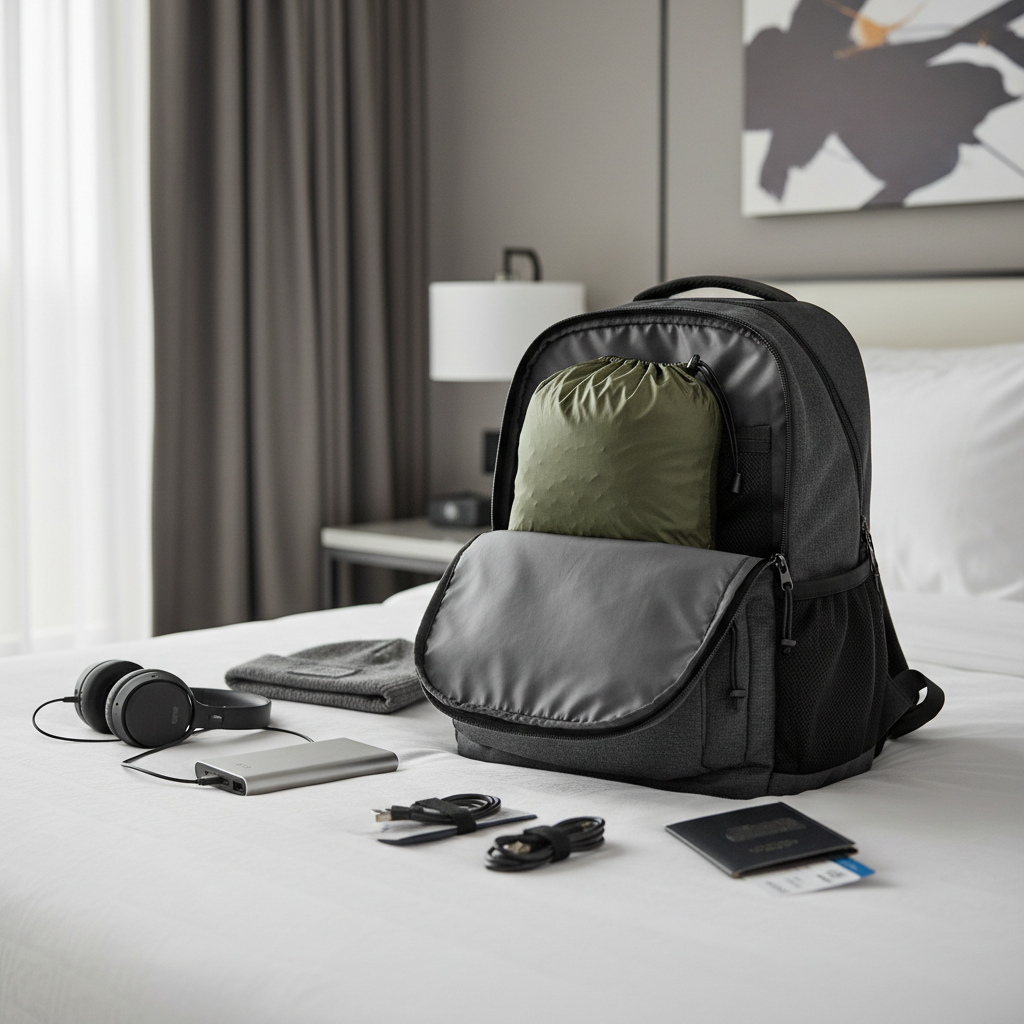
- If you one-bag, choose a shell that packs flat and does not hog your main compartment.
- Store it where you can reach it in under 10 seconds, side pocket beats buried packing cube.
- Bring a small clip or elastic band if the jacket does not have a built-in stuff pocket.
3) Keep it performing: basic care that actually matters
Many “my jacket leaks” complaints are really wet-out or clogged breathability. According to REI, routine cleaning and reapplying DWR when needed can help rainwear shed water and breathe closer to how it was designed.
- Wash occasionally, especially after sweaty trips, follow the care label and use appropriate cleaner.
- Restore DWR when water stops beading on the surface, a spray-on or wash-in treatment can help.
- Avoid storing it permanently compressed, long-term cramming can stress coatings over time.
Common mistakes that make a lightweight rain jacket feel “bad”
These are the issues that usually push travelers to buy twice. If you recognize one, you may not need a new jacket, you may need a different approach.
- Expecting one jacket to cover tropical humidity and cold wind: different climates reward different designs.
- Skipping vents: breathability numbers rarely beat real airflow when you walk fast.
- Over-layering: too much insulation under a shell creates sweat, then you feel “wet” anyway.
- Ignoring hood quality: a weak hood turns light rain into a constant annoyance.
- Not maintaining DWR: the outer fabric soaking up water makes any shell feel heavier and colder.
Key takeaways and a simple next step
The right choice is the jacket you will actually carry and wear, not the one with the longest spec list. If you travel mostly in cities, an everyday shell with good vents and a comfortable hood often beats a bulky storm piece, while frequent coastal wind may justify more structure even if packed size grows.
Pick your top two priorities, then test fit with your usual layers. After that, commit and learn the care routine, because a well-maintained shell stays useful longer than a “perfect” jacket you hate wearing.
FAQ
What is the best travel rain jacket lightweight option for one-bag travel?
Usually it is a packable shell that still has real venting and a hood you like. If it packs tiny but feels miserable after 20 minutes, you will stop carrying it, which defeats the point.
Is a 2.5-layer jacket good enough for everyday travel?
Often yes, especially for short-to-moderate wear in mild temperatures. If you expect long days in steady rain, or you dislike a clammy feel, a 3-layer option may feel better.
How do I know if my rain jacket is leaking or just wetting out?
If the outside fabric looks dark and saturated, and you feel cool dampness rather than obvious water entry at seams or zippers, wet-out is a common culprit. Cleaning and DWR refresh can help, but if seam tape peels, that is a different problem.
Do I need pit zips on a lightweight rain jacket?
If you walk fast, run warm, or travel in humid places, pit zips tend to be worth it. In cool, dry climates you might be fine without them, but many travelers appreciate the flexibility.
Can a lightweight rain shell replace an umbrella for travel?
In many cases, yes, especially when wind makes umbrellas annoying. For formal outfits or light drizzle, some people still prefer an umbrella for comfort and less “technical” look.
What features matter most for travel in windy rain?
A structured hood with adjusters, a brim, and a hem that stays put matter more than extra pockets. Wind-driven rain finds gaps fast, so fit and hood design become the difference makers.
How should a rain jacket fit over a puffer or fleece?
You want enough room to move without compressing insulation too much, but not so much fabric that it flaps in wind. Trying it on with your most-used mid-layer is the quickest reality check.
If you are narrowing options and want a more “no regrets” shortlist, focus on your primary trip climate and how you run hot or cold, then compare a few shells side-by-side for hood feel, venting, and packability rather than chasing the highest waterproof claims.