
Old forest travel guide advice usually boils down to one thing: old-growth areas reward patience, but they punish sloppy planning, so your trip feels calm only if your logistics are solid.
People get excited about “ancient trees” and then arrive to find limited parking, confusing trail junctions, sudden weather shifts, or closures for habitat protection. None of that is dramatic, it’s just how many older forests operate, with fewer services and more rules.
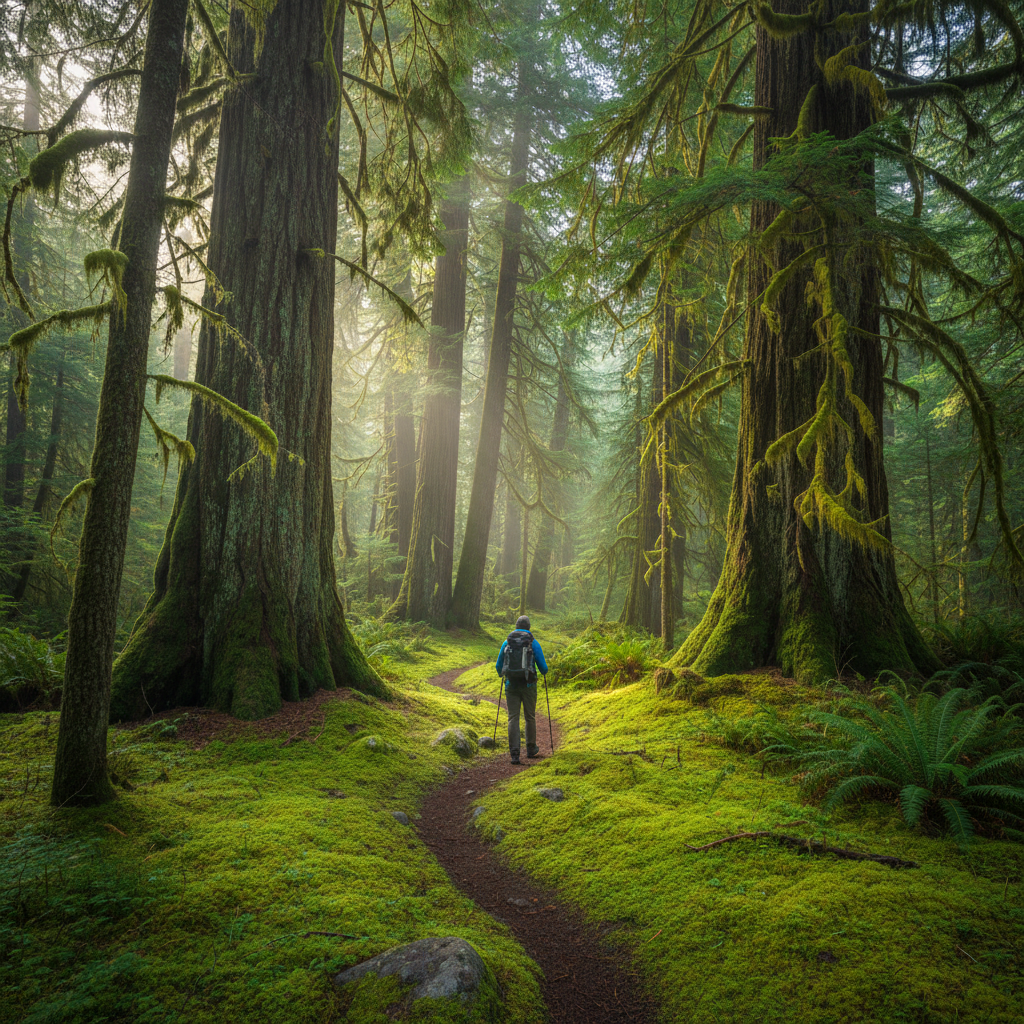
This guide focuses on what helps most travelers: how to choose a forest and season, how to keep hikes safe, what to pack without overpacking, and how to visit responsibly so these places stay intact. I’ll also call out a few common misconceptions that cause avoidable stress.
What makes an “old forest” different (and why it changes your planning)
In travel terms, an old forest is less about a postcard view and more about conditions: dense canopy, uneven terrain, fragile understory, and wildlife corridors. Those details affect where you can go, how fast you move, and what you can realistically see in a day.
- Light and visibility run lower under thick canopy, so headlamps and earlier turnarounds matter more.
- Trails can be less obvious, especially after storms, so offline maps help.
- Rules may be stricter around staying on trail, group size, or dogs, because restoration is slow.
- Road access can be the real limiter, with narrow roads, seasonal gates, or washouts.
According to the U.S. Forest Service (USFS), travel on national forest lands can involve seasonal closures, variable road conditions, and changing fire restrictions, so checking local notices is part of the trip, not a nice-to-have.
Quick self-check: what kind of old-forest trip are you actually set up for?
This is the part people skip, then feel disappointed on day one. Pick the option that matches your reality, not your aspiration.
Choose your “trip type”
- Low-commitment: 1–3 mile walk, reliable cell service, easy parking, you want big trees fast.
- Moderate: 3–8 miles, some elevation, you can navigate junctions, you’re okay getting a bit wet or muddy.
- Backcountry: long mileage, limited rescue access, you carry layers, water treatment, and you can turn around early without frustration.
Be honest about constraints
- If you’re traveling with kids or mixed fitness levels, prioritize loop trails and short “wow-factor” viewpoints.
- If you only have a half day, choose one forest area and stop trying to “collect” multiple parks.
- If you dislike bugs or mud, avoid peak melt and shoulder-season swampy routes, even if photos look dreamy.
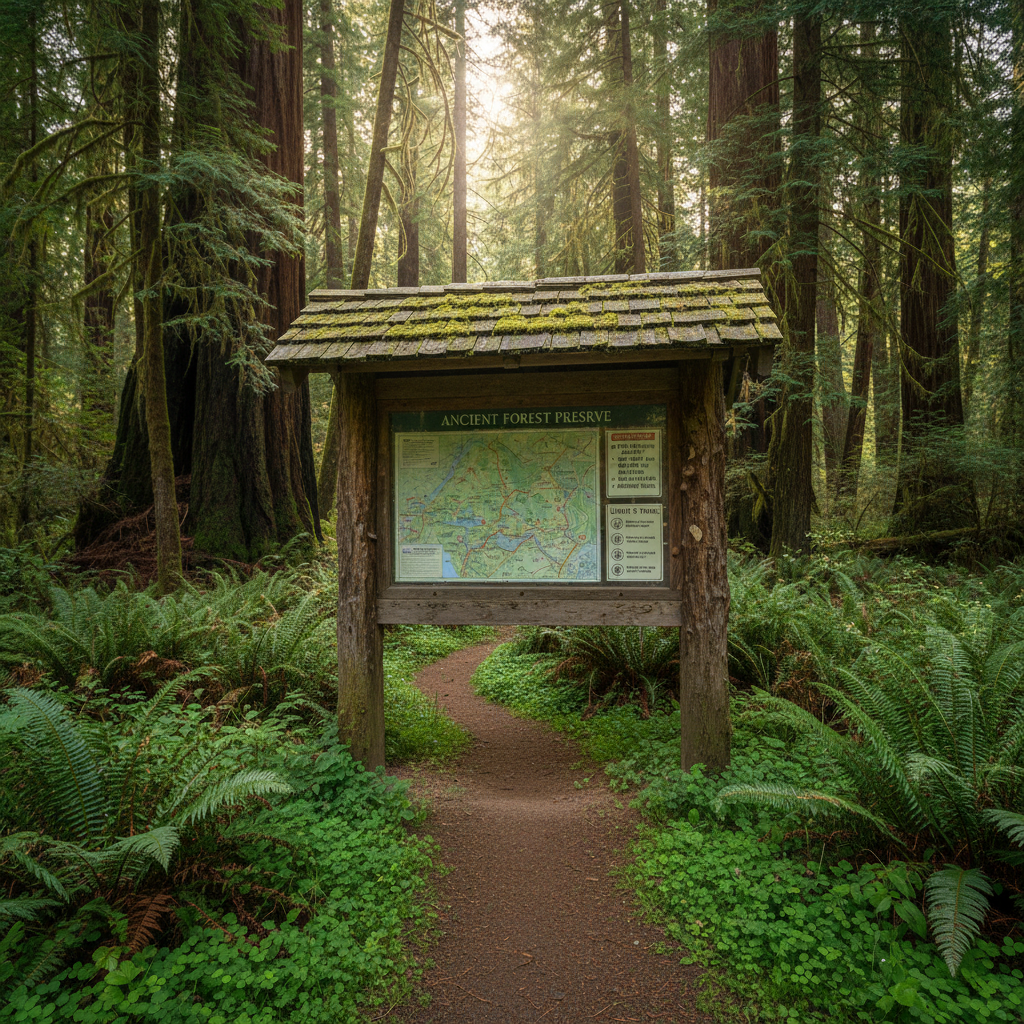
If you’re unsure, plan for the low-commitment version, then “upgrade” on site if conditions look good. That single decision prevents most miserable hikes.
Picking the right season and time of day
With an old forest travel guide, season choice is often the difference between “quiet magic” and “why did we do this.” Old-growth zones amplify weather, because shade keeps trails wet and wind can drop branches.
- Spring: lush, high water, slippery roots; expect mud and higher creek flow.
- Summer: longest days and easiest logistics, but more crowds and potential fire smoke in some regions.
- Fall: great light and fewer people, but storms and early sunsets creep in fast.
- Winter: low crowds, moody scenery; access can be limited, and hypothermia risk increases if you get wet.
Time of day matters more than people expect. Early morning often means easier parking and calmer wildlife behavior, but it also means colder temperatures under canopy, so bring a layer even in mild forecasts.
According to the National Weather Service, local terrain can create rapid weather changes, and forecasts may not reflect conditions under forest canopy or at higher elevations, so it’s smart to check point forecasts and recent trip reports when available.
Route planning that avoids the classic old-forest mistakes
Most route problems are predictable: too much driving between trailheads, underestimating pace on roots and mud, and relying on cell coverage that disappears ten minutes after you park.
A practical planning flow
- Start with access: confirm the road is passable for your vehicle type, not just “open.”
- Choose one primary trail and one backup nearby, so a closure doesn’t wreck your day.
- Build a turnaround time: old forests get dark earlier, and the “last mile” often feels longer.
- Save maps offline and screenshot any closure notices.
Small decisions that help a lot
- Prefer loop or out-and-back routes with clear landmarks over a web of spur trails.
- If you’re chasing giant trees, look for trails known for “groves” rather than vague “scenic” labels.
- Plan bathrooms and water stops, because facilities can be sparse and seasonal.
What to pack: the “not heavy, but ready” kit
Packing for old forests is about comfort and margin. You rarely need extreme gear, but you do need basics that handle wet, dark, and uneven terrain.
| Item | Why it matters in old forests | Notes |
|---|---|---|
| Water + backup | Trails feel cooler, you may drink less and still dehydrate | Bring more than you think for slow miles |
| Light rain layer | Drip and mist stick around under canopy | A breathable shell usually beats a heavy coat |
| Headlamp | Darkness comes early in dense woods | Even on “day hikes” |
| Traction-friendly shoes | Roots, wet boardwalks, slick rocks | Good tread matters more than ankle height |
| Offline navigation | Cell service often drops | Map app + paper backup if remote |
| Bug protection | Still air and wet zones attract insects | Seasonal, varies by region |
According to the National Park Service, staying prepared and following posted guidance reduces preventable incidents on trails, and it’s worth treating even short walks as real outings when conditions are wet or remote.
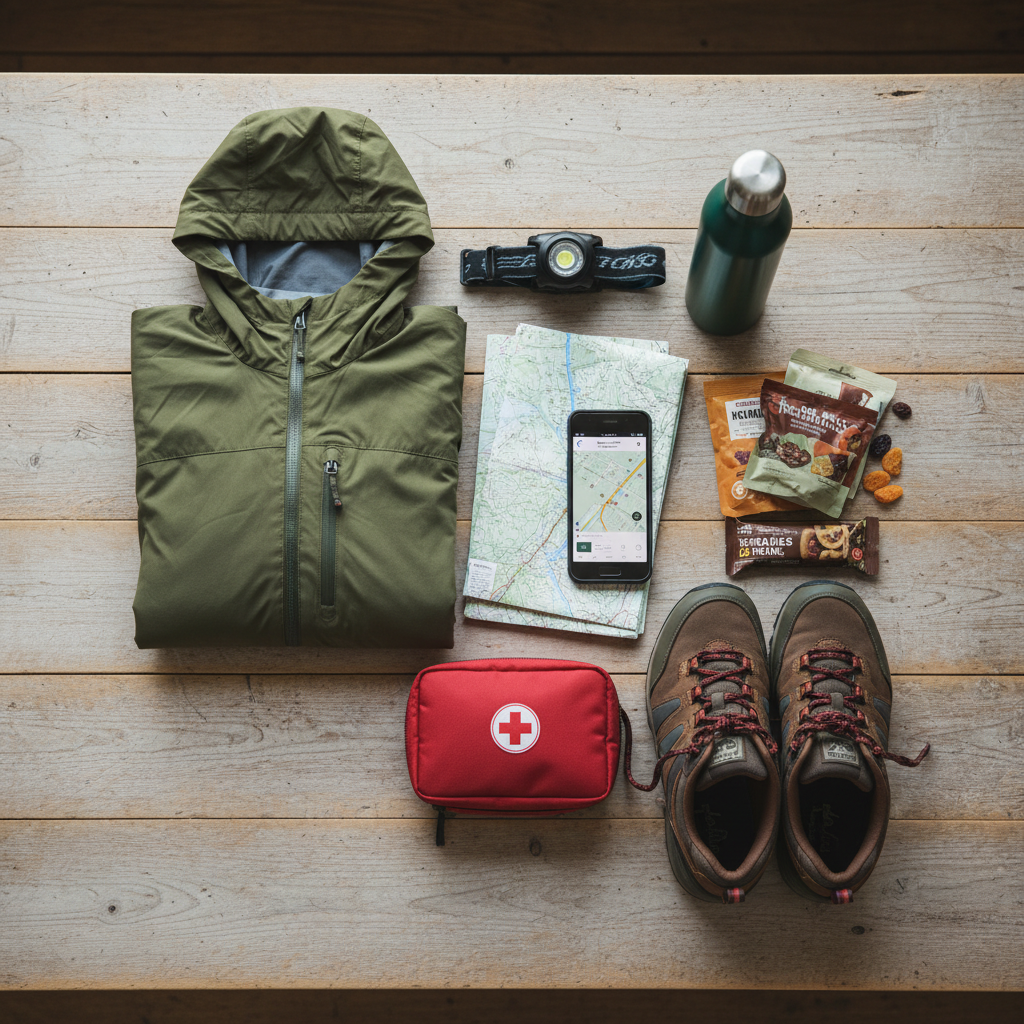
Key point: if you only upgrade one thing, upgrade your footwear and your ability to navigate without signal. Those two choices cover a lot of “surprise discomfort.”
Responsible travel: how to enjoy old growth without loving it to death
Old forests recover slowly. The mosses, lichens, and soil structure can take a long time to rebound after off-trail wandering, and wildlife depends on predictable quiet zones.
- Stay on trail, even when the perfect photo angle tempts you off the path.
- Keep groups small when rules or signage suggest it, noise carries differently under canopy.
- Leave deadwood where it is; it’s habitat, not decor.
- Respect closures, especially around nesting seasons or restoration work.
According to Leave No Trace Center for Outdoor Ethics, minimizing impact often comes down to durable surfaces, proper waste disposal, and respecting wildlife distance, which applies intensely in sensitive old-growth ecosystems.
If you’re traveling with a dog, check local regulations and think beyond “allowed or not.” Narrow trails, boardwalks, and wildlife presence can make leashes non-negotiable in practice.
Safety and comfort: real risks, no drama
Most old-growth visits are straightforward, but the risk profile shifts: falls on wet roots, getting turned around at junctions, and cold exposure after getting damp are more common than people expect.
Simple habits that reduce problems
- Tell someone your plan and expected return time if you’re outside busy parks.
- Turn around earlier than feels necessary if light drops or weather changes, the forest won’t care about your schedule.
- Watch overhead on windy days; falling branches can be a hazard, and it’s reasonable to avoid lingering under damaged limbs.
- Water crossings deserve caution; conditions vary, and it may be safer to turn back than improvise.
If you have health conditions, mobility concerns, or you’re planning remote routes, it may help to consult a qualified professional, local ranger station, or an experienced guide for route suitability and current hazards.
Practical 1-day itinerary templates (steal these and adjust)
You don’t need a perfect plan, you need a plan with slack. These templates keep the day enjoyable even if parking, weather, or crowds misbehave.
Template A: “Big trees, low stress” (2–4 hours)
- Arrive early, do a short grove loop, then add a second short spur only if everyone feels good
- Bring snacks and a warm layer, sit quietly for 10 minutes, that’s often the highlight
- Leave before peak midday parking lines
Template B: “Moderate hike + viewpoints” (4–7 hours)
- Pick one main trail, set a firm turnaround time, keep a backup route nearby
- Use trekking poles if terrain is rooty or slick
- Plan a post-hike meal stop so the day has a clean ending even if the hike runs short
Conclusion: make the forest the point, not the checklist
A solid old forest travel guide isn’t about squeezing in the most miles, it’s about matching the route to your energy, planning for wet and low light, and showing up with enough margin to actually notice what’s around you.
If you want one next step, pick a single old-growth area, save two trail options offline, then pack the “not heavy, but ready” kit, you’ll feel the difference almost immediately once you step under the canopy.
FAQ
What is the best way to find old-growth forests in the U.S.?
Start with National Park and National Forest pages, then look for terms like “old-growth,” “ancient forest,” or “grove” in official trail descriptions. Local ranger stations often share current access and closures.
How difficult are old-growth forest hikes compared with regular trails?
They can feel harder at the same mileage because roots, mud, and low light slow your pace. Even flat routes may take longer than expected.
Do I need a guide for an old forest visit?
Many popular old-growth trails are straightforward without a guide, but guided trips can help if you want interpretation, are new to navigation, or plan to go remote where conditions change quickly.
What should I do if the trail is muddy or flooded?
Stay on the main tread and avoid widening the trail by stepping around mud, that damages plants. If water makes the route unsafe, turning around is often the responsible call.
Are old-growth forests safe for kids?
Usually yes on well-maintained trails, but choose shorter loops, keep a closer eye near steep drop-offs or boardwalk edges, and plan more snack and rest breaks than you think you need.
How can I get good photos in dark forest light?
Go early or late for softer light, stabilize your camera or phone, and look for contrast like sunbeams, bright moss, or a person for scale. Just avoid stepping off trail for angles.
What are common mistakes first-time visitors make?
Overpacking heavy gear, underestimating how slow rooty terrain feels, and relying on cell service for navigation show up a lot. A simpler plan with offline maps tends to win.
If you’re planning an old-growth weekend and want a more hands-off option, consider using official park trip planners or talking with a local guide service about current trail conditions and permits, it can save you time and prevent last-minute reroutes.