
Mountain hut travel stays are one of the easiest ways to turn a long day hike into a multi-day route without carrying a full tent setup, but they can also feel confusing if you’ve never used huts before.
People usually get stuck on the same things: how reservations work, what “half-board” actually includes, what you’re expected to bring, and how strict hut etiquette can be when you’re tired and just want to crash.
This guide breaks it down in plain terms, including a quick self-check to see if huts fit your style, a practical packing list, and a few safety reminders that matter in real mountains.
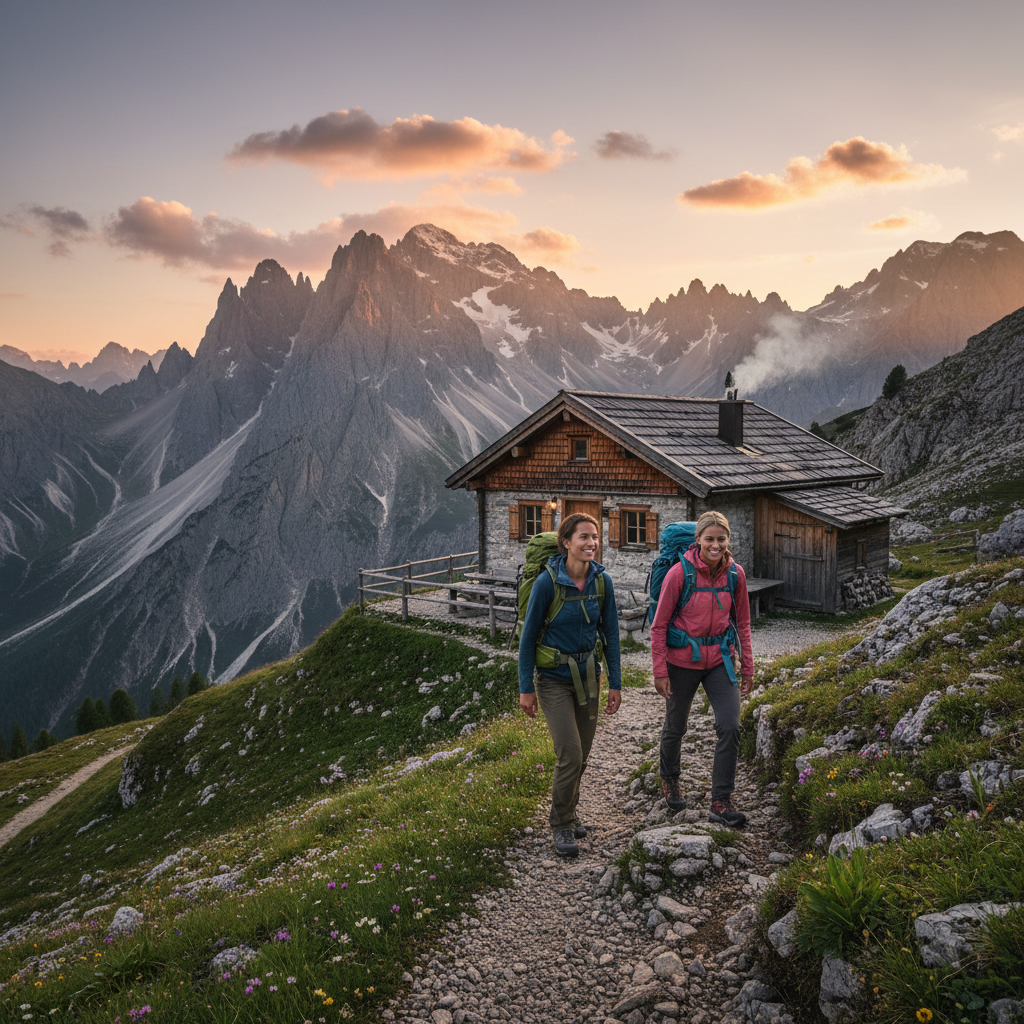
What counts as a mountain hut stay (and what it isn’t)
In most hiking regions, a “mountain hut” is a staffed or semi-staffed lodge positioned on a trail network, meant for overnight rest, basic meals, and weather refuge. The experience sits somewhere between a backcountry campsite and a small hostel.
That said, mountain hut travel stays vary a lot by country, range, and operator. Some huts feel like simple bunkhouses with a dining room, others resemble small inns with private rooms, showers, and Wi‑Fi that works when the weather cooperates.
- Staffed huts: you typically get meals, water guidance, and local route info.
- Unstaffed shelters: you may need a key, pay online, and bring more supplies.
- Popular “hut-to-hut” networks: routes designed around hut spacing, often 6–12 miles per day but terrain can make it feel longer.
According to National Park Service, hikers should plan for changing weather and understand local regulations before heading into backcountry areas, which applies even if you sleep under a roof.
Why hikers choose huts: the real-world tradeoffs
Huts sound like a luxury, but most people choose them for practical reasons. You move faster, pack lighter, and you’re less exposed when storms roll in.
- Lighter pack: often no tent, fewer cooking items, sometimes less water carry.
- More consistent recovery: a dry sleeping area and hot food can change your day-two legs.
- Route flexibility: hut systems let you link ridgelines and traverses that are awkward as out-and-back hikes.
The tradeoff is predictability. You might share a room, follow meal times, and adapt to group noise. If solitude is your top priority, mountain hut travel stays can feel crowded during peak season.
Quick self-check: are huts a good fit for your trip?
If you answer “yes” to most of these, huts usually work well. If not, you may prefer camping or a hybrid plan.
- You’re okay sleeping near other people (snoring happens).
- You can stick to a schedule for dinner and morning start times.
- You prefer carrying less weight over having full control of camp setup.
- You’re comfortable with limited charging, limited showers, and variable cell service.
- You can adjust your itinerary if weather forces a shorter day.
A common misconception is that huts remove risk. They reduce some risk, but you still hike in mountain terrain where conditions can change fast.
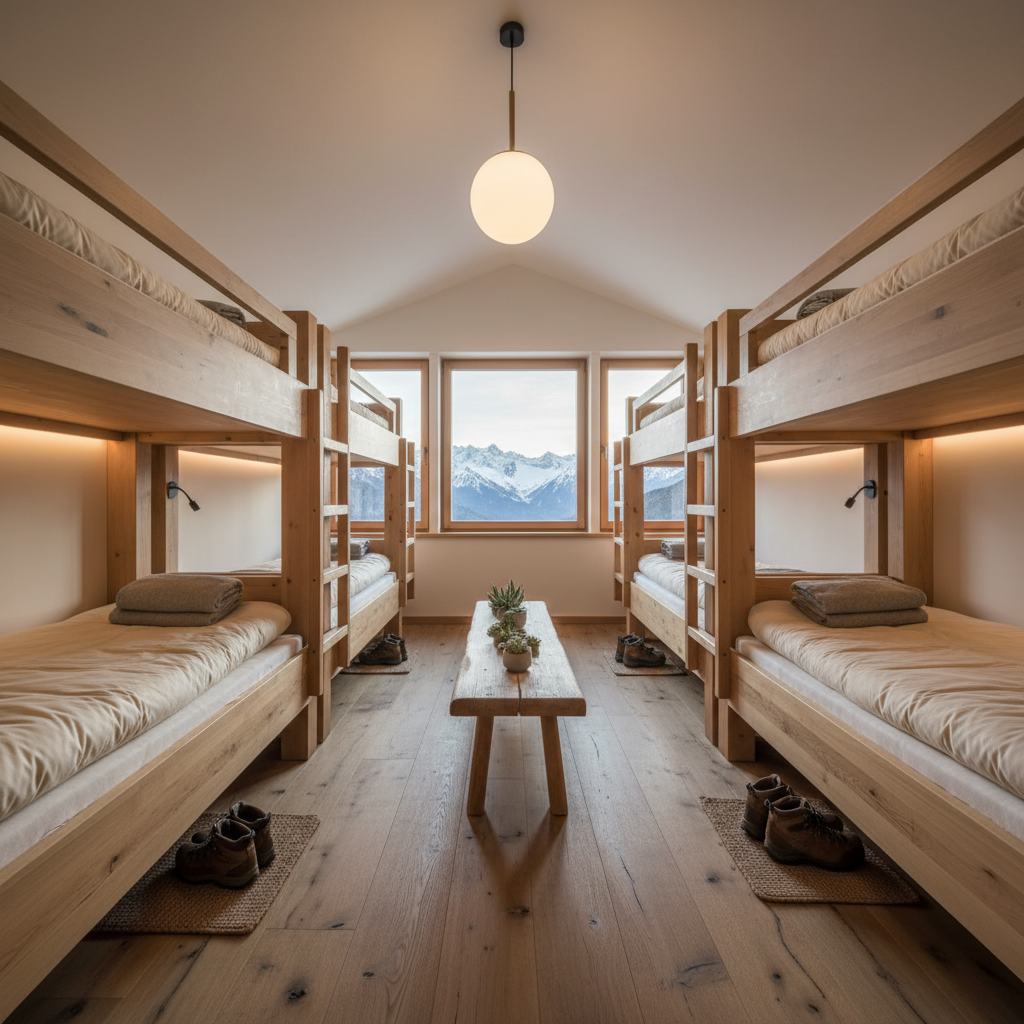
How booking and pricing usually work (so you don’t get surprised)
Booking is where many first-timers get burned. In popular areas, beds sell out, and walk-ins are not a reliable plan unless you’re going off-peak or using less-famous huts.
Typical reservation patterns
- Advance booking: common for summer weekends and well-known routes.
- Membership discounts: some hut systems offer reduced rates for alpine club members.
- Deposit + cancellation rules: often strict because huts manage food and staffing.
What “half-board” and “self-catered” mean
- Half-board: usually dinner + breakfast, sometimes a simple packed lunch option.
- Self-catered: you bring food, and the hut may provide a kitchen or just a stove area.
If you’re comparing costs, include what you save by not carrying camping fuel or extra food. Mountain hut travel stays can feel pricey on the payment page, but the “all-in” math sometimes looks better after you factor weight and meals.
What to pack for a hut stay (and what to leave behind)
Huts reduce gear, but they don’t erase the basics. Your comfort usually depends on a few small items people forget.
- Sleeping bag liner (many huts require it for hygiene).
- Earplugs and an eye mask if you’re a light sleeper.
- Headlamp for nighttime bathroom trips.
- Light camp shoes or hut slippers (boots often stay at the entry).
- Cash or card backup depending on how remote the hut is.
- Small quick-dry towel if showers exist but supplies do not.
- Refillable bottle; ask about water treatment norms for that area.
Leave the heavy stuff if your hut provides it: full cook kit, large fuel canisters, and excess clothing “just in case.” The exception is safety layers; storms and cold snaps are still a thing, even in peak summer.
Etiquette and logistics that make or break the experience
This is the part nobody wants to read until they’re annoyed at 9:30 p.m. Hut culture is simple: share space well, keep things clean, and follow the house rules.
- Arrival windows: show up within the stated hours so staff can plan beds and meals.
- Quiet hours: often early; pack your overnight items so you’re not digging through bags at midnight.
- Boot and gear areas: use them, indoor floors stay safer and cleaner.
- Trash rules: many huts pack everything out, so your wrappers go home with you.
One small pro move: keep a “night kit” (liner, headlamp, toothbrush, earplugs) in an outer pocket. It prevents the loud, chaotic repack that bothers everyone.
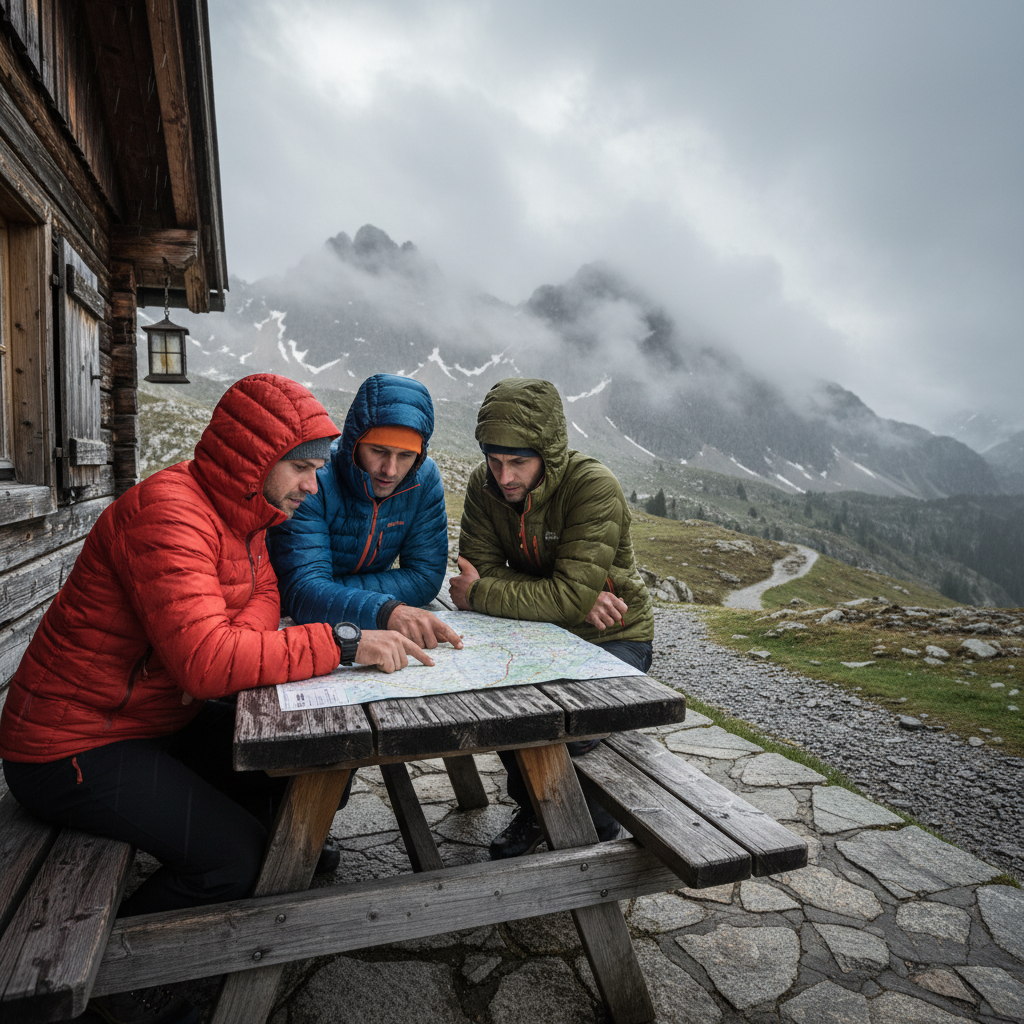
Safety, weather, and route planning: the part huts don’t solve
Mountain hut travel stays make logistics easier, but your day still depends on terrain, weather, and your group’s pacing. If anything, huts can tempt people into overcommitting because the map looks “supported.”
- Weather shifts: bring layers and know your bailout options, not just your ideal route.
- Time estimates: use elevation gain, not only mileage, and add buffer for breaks.
- Navigation: offline maps help when signage or visibility fails.
- Hydration: confirm water availability per segment; sources can be seasonal.
According to NOAA, mountain weather can change rapidly and forecasts should be checked close to departure; if conditions look unstable, it’s usually smarter to shorten the day than to “push to the hut” on a ridge.
If you have medical concerns (asthma at altitude, severe allergies, heart conditions), it may help to ask a clinician for advice before committing to higher elevations or remote routes.
A practical hut-to-hut planning table (use this to choose your approach)
Use this as a starting point, then adjust for your fitness, pack weight, and the terrain style where you hike. Steep rock, snow travel, and high heat can all shrink a “normal” day.
| Trip style | Best for | Typical day plan | Gear emphasis |
|---|---|---|---|
| One-night hut out-and-back | First-timers testing huts | Hike in, sleep, hike out same route | Liner, layers, headlamp |
| 2–4 night hut-to-hut | Moderate hikers who want variety | Move daily between huts, early starts | Feet care, weather kit, light pack |
| Hybrid (hut + one camp) | People who want flexibility | Use huts where booked, camp where open | Minimal shelter, food planning |
| Peak-season “comfort” huts | Groups prioritizing amenities | Shorter miles, longer evenings | Reservations, budget, etiquette |
Key takeaways and a simple next step
Key points: Huts can lighten your load and expand route options, but they require planning, realistic daily timing, and a willingness to share space. If you treat a hut like a guaranteed safety net, that’s when mistakes creep in.
Pick one area you already want to hike, find a hut system on that trail network, then build a conservative first itinerary: one night, modest mileage, and an exit plan if weather turns. Once that feels smooth, scaling to longer hut-to-hut routes becomes much more natural.
FAQ
Do mountain huts provide blankets and pillows?
Sometimes. Many huts provide blankets, some provide pillows, and some provide neither. It’s smart to read the hut’s gear list and assume you’ll at least need a sleeping bag liner.
How far in advance should I book mountain hut travel stays?
For popular summer weekends, weeks to months is common. Off-peak or midweek can be easier, but it depends on the region and the specific hut network.
Are huts okay for beginners who haven’t backpacked before?
Often yes, because you can carry less and still do multi-day hikes. The main challenge is pacing and comfort with shared sleeping spaces, not campcraft.
What if I arrive late for dinner?
Policies vary. Some huts hold a plate, others can’t. If delays happen, calling ahead when possible is usually appreciated, and it helps staff plan.
Can I rely on getting drinking water at every hut?
Not automatically. Some huts have treated water, some have rain catchment, and some require you to treat or carry from sources. Confirm water details per hut, not just per route.
Do I need travel insurance or rescue coverage for hut-to-hut hiking?
It may be worth considering depending on location and remoteness, but coverage varies widely. Read the policy carefully and avoid assuming any plan covers backcountry rescue.
Are mountain huts safe during storms?
They can offer shelter, but risk depends on the hut’s construction and where it sits relative to ridges and avalanche paths. If severe weather is forecast, adjusting plans early is usually safer than trying to “make it to the hut.”
If you’re planning mountain hut travel stays and want a more foolproof setup, focus on one thing: match daily mileage to elevation gain and your slowest hiker, then book huts that support that pace, it saves arguments and makes the trip feel far more relaxed.