
Heritage food travel trail planning gets tricky fast, you want authentic dishes and real stories, but you also want a route that works in the real world, with opening hours, budgets, and people who actually welcome visitors.
Done well, this kind of trip feels different from typical food tourism, you leave with more than photos, you understand why a dish exists, who kept it alive, and what a community wants visitors to know, and not know.
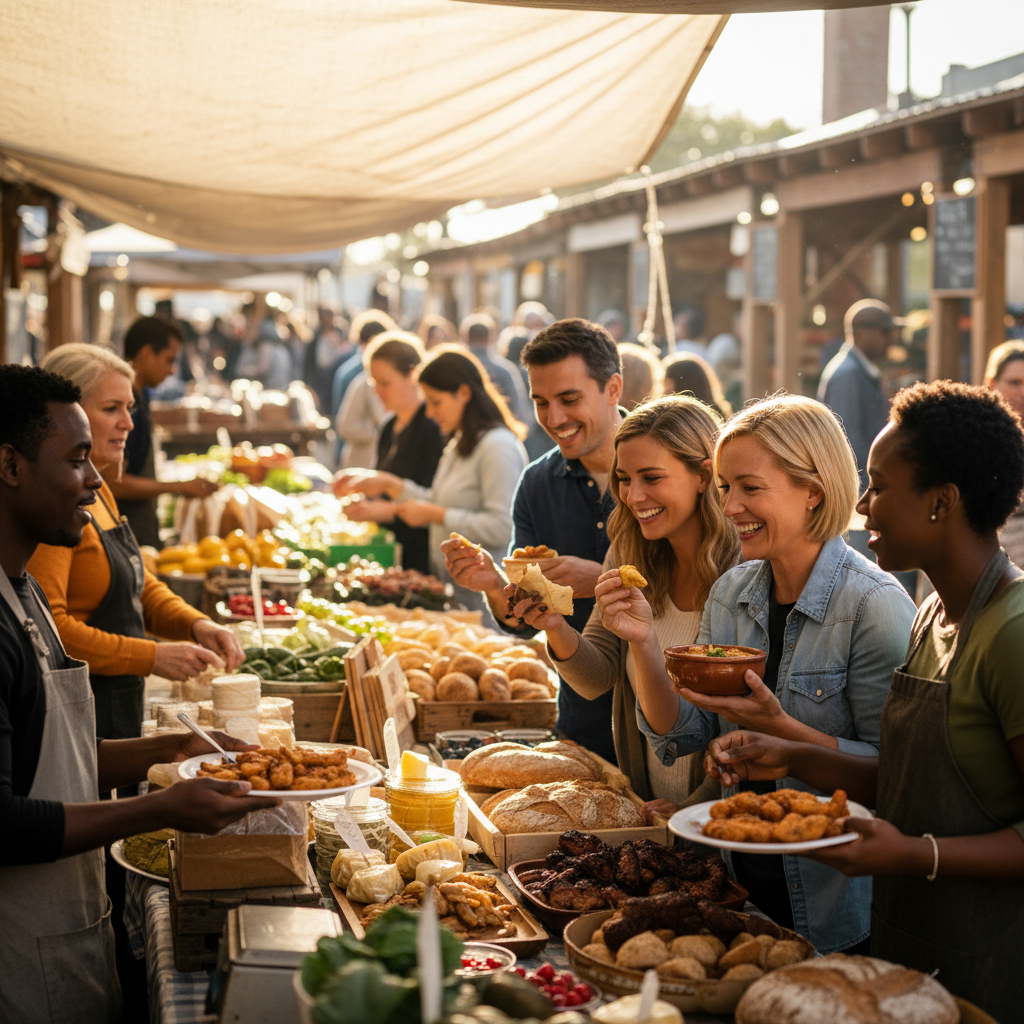
A common mistake is treating “heritage” like a checklist, eat the famous thing, buy the souvenir, move on, but heritage food usually lives in small details, language on menus, family recipes, seasonal ingredients, and sometimes rules around who can cook what and when.
This guide breaks the topic into practical decisions, how to pick a theme, map stops, confirm legitimacy, and travel respectfully, with a simple table, a few checklists, and a plan you can reuse in any U.S. region.
What a heritage food travel trail really is (and what it isn’t)
A heritage food travel trail is a curated route where each stop teaches something about culture through food, that could mean Indigenous foodways, immigrant neighborhoods, long-running family businesses, historic farms, or regional cooking techniques that shaped local identity.
- It is: story + place + people + food, connected in a route you can actually follow.
- It isn’t: a list of “best bites” with no cultural context, or a single trendy restaurant claimed as tradition.
According to UNESCO, intangible cultural heritage includes “traditions or living expressions” passed down through generations, food knowledge often fits here even when it is not formally recognized in a city brochure.
Why travelers look for cultural food trails now
Many U.S. travelers feel burned by copy-paste itineraries, the same “must-eat” lists keep circulating, and the experience starts to feel like content production rather than travel.
Heritage routes offer a different payoff, you understand context, you support businesses that carry local memory, and you often eat better because the food has a reason to taste the way it does.
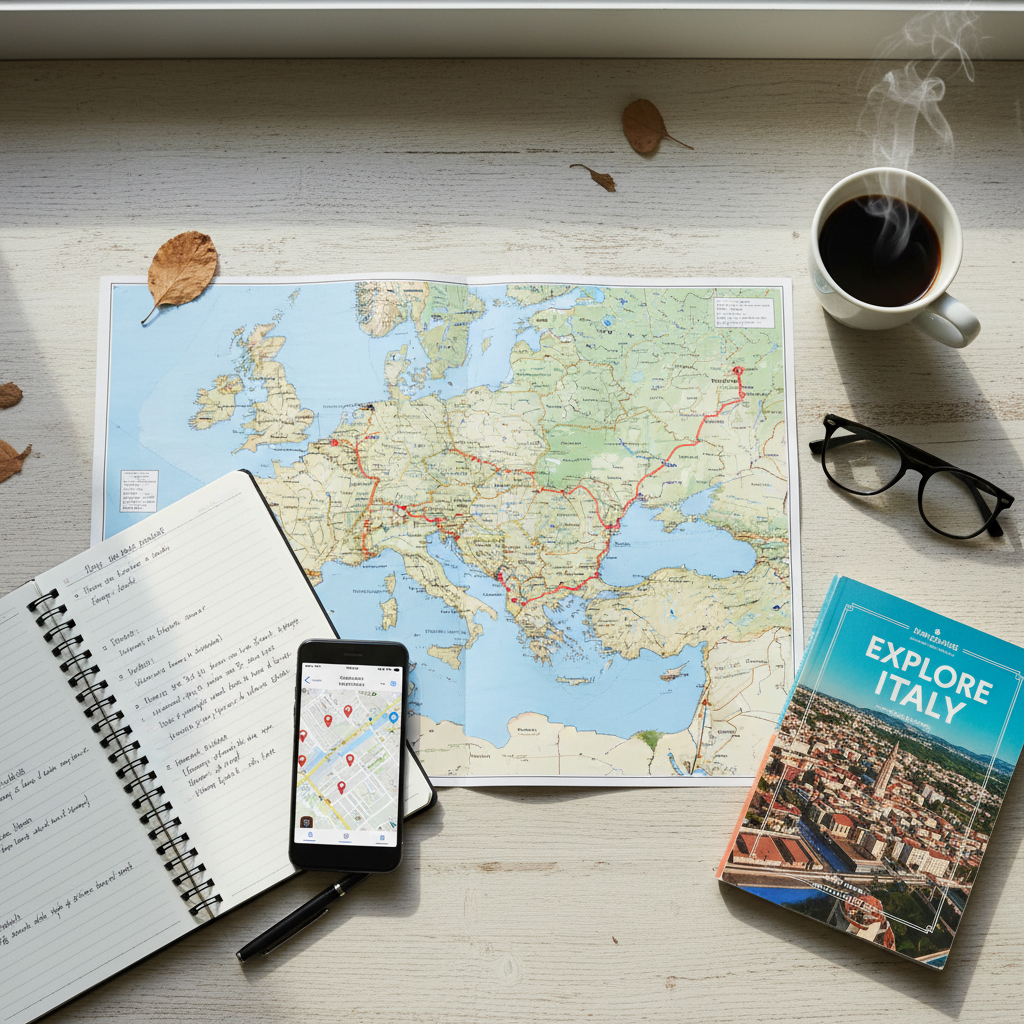
There is also a practical angle, a well-designed trail helps you avoid dead time, long drives for one item, places that close early, and spots that feel “performative” once you arrive.
Pick your trail theme: 6 options that work in the U.S.
The easiest way to plan a heritage food travel trail is to start with a theme that naturally creates a route, not just a craving.
- Indigenous foodways: focus on ingredients, stewardship, and contemporary Native chefs where available, approach with extra respect and research.
- Immigrant neighborhood kitchens: bakeries, markets, community restaurants, and festivals tied to diaspora history.
- Agricultural heritage: orchards, dairies, fisheries, and mills, often best in shoulder seasons.
- Historic corridors: ports, rail towns, river routes, old highways, food evolves along movement and trade.
- Craft traditions: BBQ pits, sourdough cultures, smoked fish, cheese aging, chili roasting, techniques become identity.
- Religious and holiday food: lent meals, feast breads, New Year dishes, timing matters, so plan around calendars.
Quick gut-check, if your theme cannot be explained in one sentence, you probably have a list, not a trail.
A simple planning framework (with a table you can reuse)
When people say they want “authentic,” what they often need is verifiable context plus a schedule that holds up, so build your route with three layers, anchors, connectors, and flex stops.
- Anchors: places you will plan the day around, museum food programs, iconic legacy restaurants, tribal cultural centers, key farms.
- Connectors: markets, bakeries, specialty grocers, coffee shops, these fill time and add texture.
- Flex stops: seasonal pop-ups, food trucks, festivals, nice-to-have, not mission-critical.
Trail-building table (copy this approach for any region)
| Stop type | What to look for | Questions to ask | Common pitfall |
|---|---|---|---|
| Anchor | Clear historical link, consistent hours, interpretation (staff, signage, tour) | Who started this, what changed over time, what dish represents the place | Over-scheduling, no time to talk or linger |
| Connector | Locals shopping, regional ingredients, traditional techniques | What sells out first, what is seasonal, how locals eat it | Buying only “Instagram” items, missing staples |
| Flex stop | High cultural relevance but variable timing | Is it weekly, weather-dependent, or ticketed | Building the whole day around something uncertain |
Self-check: are you building a meaningful trail or a hype loop?
If you want the trail to feel cultural, not performative, run this quick check before you lock bookings.
- At least 2 stops explain “why”, not only “what tastes good.” Think small museum exhibits, walking tours, or owners who share history.
- Your route has breathing room, one long meal a day can be smarter than four rushed ones.
- You have a seasonal plan, some heritage dishes appear only at harvest, holidays, or weekends.
- You are not only consuming, you also learn, tip well, buy staples, or join a workshop where appropriate.
- You can name who benefits, ideally local operators, community orgs, small producers.

One more honest test, if every stop can be swapped for a chain restaurant without changing the story, your trail probably needs stronger anchors.
How to execute the trail day-by-day (without burning out)
Most heritage food travel trail plans fail on logistics, not intention, places close early, parking is hard, lines are real, and a “quick bite” turns into an hour.
A realistic day structure
- Morning: market or bakery first, heritage items sell out, and you can chat before the rush.
- Midday: anchor meal plus one cultural stop nearby, a small museum, a walking segment, a historic district.
- Late afternoon: connector stop for pantry goods, spices, smoked items, preserves, things that travel well.
- Evening: optional flex stop only if energy stays high, otherwise keep a simple dinner.
Key points that save the day
- Confirm hours by phone for family-run spots, listings can lag behind reality.
- Build a weather buffer if your trail includes farms, fisheries, or outdoor markets.
- Plan your “one must-do” per day, then let the rest stay flexible.
Safety, etiquette, and common mistakes to avoid
Food travel is usually low-risk, but heritage contexts add a layer, people may be sharing identity, not just selling lunch. According to the CDC, travelers should follow basic food safety practices, especially around hand hygiene and keeping perishable foods at safe temperatures.
- Don’t treat communities like backdrops, ask before photographing people, especially in small markets or cultural centers.
- Be careful with “secret menu” chasing, it can pressure staff or disrupt a place that runs on routine.
- Mind dietary needs quietly, if you have allergies or medical constraints, ask questions early and consider consulting a clinician if you are unsure what is safe for you.
- Don’t over-claim expertise, repeating stories is fine, presenting yourself as an authority after one visit lands poorly.
Also, “authentic” can be a loaded word, a dish can be traditional and still evolving, in many immigrant communities, adaptation is part of the heritage.
When to seek expert help (and what that can look like)
If your route touches sensitive history, remote areas, or cultural programs with specific protocols, professional guidance can prevent awkward missteps.
- Local historians or museum educators: good for context, timelines, and respectful framing.
- Tribal tourism offices or cultural centers: best starting point for Indigenous-focused plans, follow their guidance on access and etiquette.
- Licensed tour operators: useful in cities where reservations, transport, and translations matter.
- Dietitians/clinicians: reasonable if you have complex dietary or medical needs and want to travel without guesswork.
It is not “less authentic” to get help, it often makes the trip calmer, and you stop wasting time on places that look good online but feel off in person.
Conclusion: a trail that tastes good and means something
A heritage food travel trail works when you choose a clear theme, anchor it in places that explain context, and give yourself enough time to listen, not just eat. If you want a simple next step, draft a 6-stop route with two anchors, three connectors, one flex stop, then call the anchors to confirm hours and ask what to order for the clearest cultural story.
If you are building your first trail, start smaller than you think, one neighborhood or one corridor over one weekend, you can always expand next time, and your future self will thank you.
FAQ
How do I choose stops for a heritage food travel trail without relying on influencers?
Look for signals of continuity, multi-generation ownership, community institutions nearby, local media coverage, and markets where locals shop. A quick phone call can reveal more than a dozen listicles.
What’s the difference between “heritage food” and “traditional food”?
Traditional usually points to recipes or techniques, heritage adds the cultural story, who carried it, how it connects to place, and why it matters now.
Is it okay to call a dish “authentic” on my itinerary?
You can, but it often works better to describe what makes it rooted, family recipe, regional ingredient, historic method, community role, and let the place speak for itself.
How many stops per day is realistic?
For most travelers, 3 to 5 stops feels doable if one is a full meal. More than that tends to turn into rushing, long waits, and no time for conversations.
How do I handle food allergies on a cultural food trail?
Ask direct questions, avoid assumptions, and keep backup options. If your allergy is severe, many people find it helpful to consult a medical professional before travel and carry appropriate medication.
Are museums and cultural centers “worth it” on a food-focused trip?
Often yes, they help you connect flavors to history, migration, and agriculture. Even a small exhibit can change how you experience the next meal.
What if a heritage spot is cash-only or has limited hours?
That is common with legacy businesses. Bring cash, arrive early, and treat it as part of the planning puzzle rather than a flaw, but keep a connector stop nearby as a fallback.
If you are planning a heritage-focused route and want it to feel respectful and smooth, not stressful and overbooked, a simple itinerary review can help, especially when you are balancing limited hours, seasonal dishes, and a tight weekend schedule.