
how to travel off the beaten path safely comes down to two things most people skip: realistic planning and disciplined habits once you arrive.
If you have ever looked at a pin on a map and thought, “That looks amazing, and also… what if something goes wrong,” you are in the right place. Remote roads, low cell coverage, unfamiliar rules, and simple navigation mistakes can turn an exciting day into a stressful one.
This guide focuses on practical, repeatable steps, not bravado. You will get a quick self-check, a planning workflow, and on-the-ground routines that work for solo travelers, couples, and small groups, with a few cautions where it makes sense to ask for local or professional help.
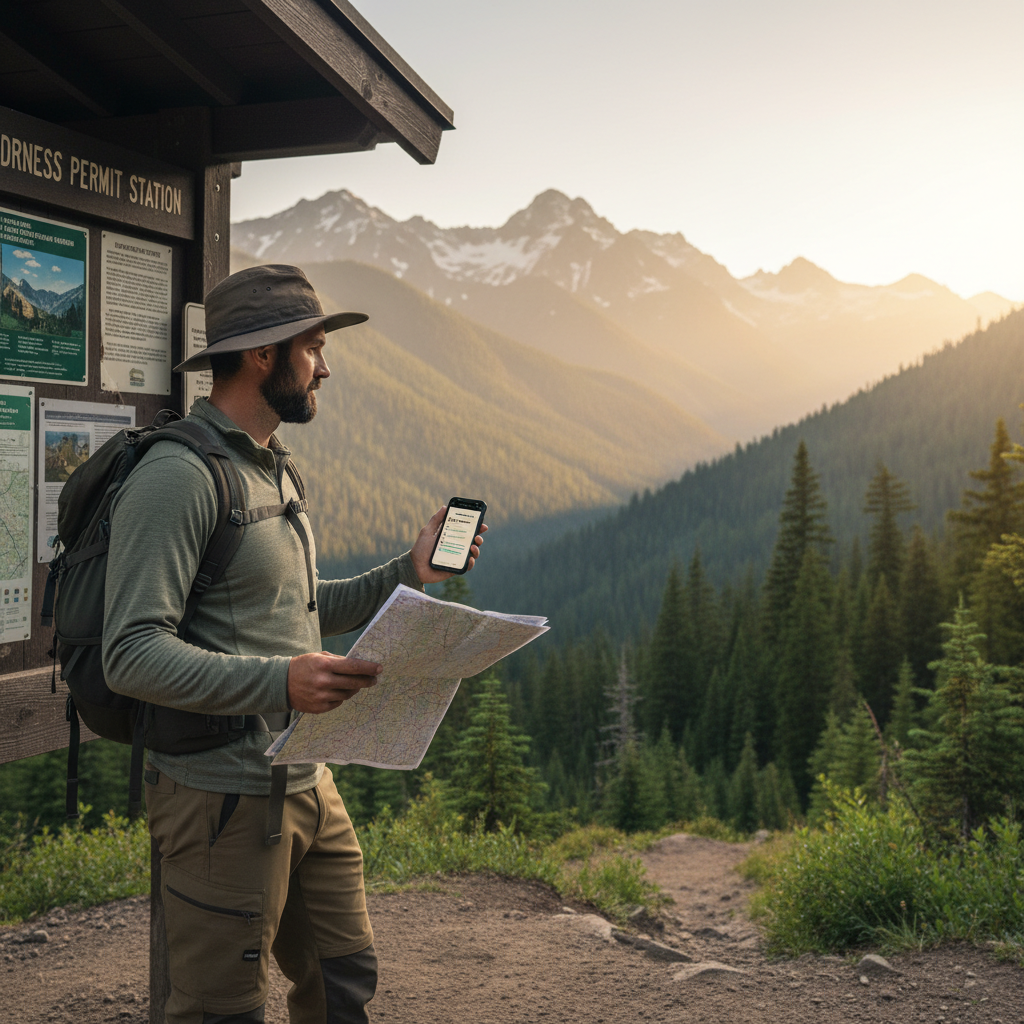
What “off the beaten path” really means for safety
People use the phrase loosely, but safety planning changes a lot depending on what kind of “offbeat” you mean. A quiet neighborhood in a big city is not the same risk profile as a desert backroad.
- Low infrastructure: limited lighting, few open businesses, longer response times.
- Low connectivity: unreliable cell service, slow data, weak GPS refresh.
- Low information: fewer recent reviews, outdated trail notes, unclear closures.
- Low redundancy: fewer alternate routes, fewer transport options if Plan A fails.
According to the U.S. Department of State, travelers benefit from having contingency plans and sharing itineraries when visiting less familiar areas, especially where help may be harder to reach.
Risk factors that usually cause problems (and how to spot them early)
Most incidents do not start with dramatic danger, they start with small assumptions stacking up. If you want how to travel off the beaten path safely to feel simple, train yourself to notice these early.
Timing and daylight
Late starts are a common trap. If you arrive near sunset, you lose visibility, options, and decision quality, and you feel pressured to “push through.” Build plans that end earlier than you think you need.
Weather and seasonal conditions
Roads wash out, trails ice over, rivers rise. The same route can be easy in June and sketchy in October. Check local forecasts and park advisories, not just a generic app.
Navigation complexity
Places with many unmarked turns or similar-looking paths create “silent risk.” If a route cannot be explained simply, you should assume you will get at least one decision point wrong and plan buffers.
Local context
Some areas have safety issues tied to crime, wildlife, political tension, or land access rules. This is where reading a few sources beats relying on one influencer reel.
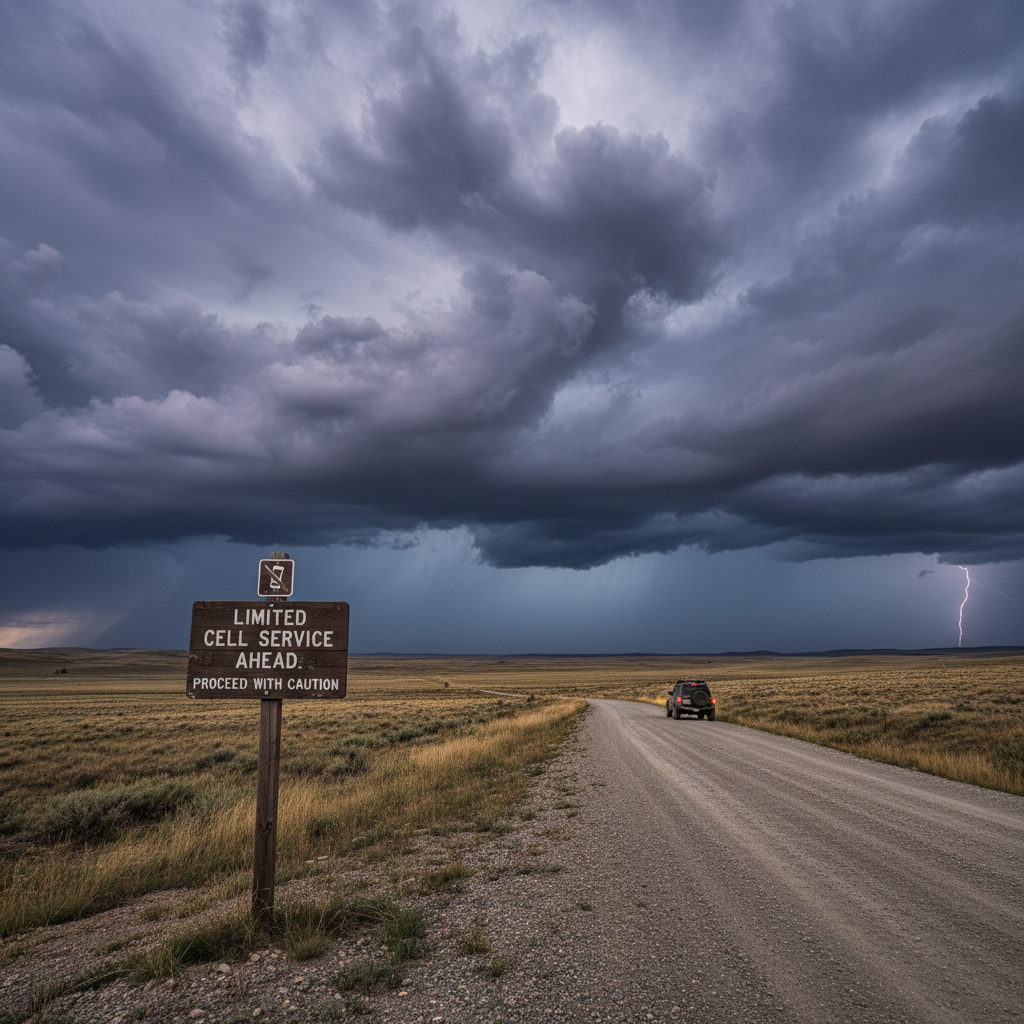
A fast self-check: are you ready to go remote today?
If you are on the fence, use this as a quick filter. If you answer “no” to several items, adjust the plan rather than forcing it.
- I can explain the route in one minute and I have an offline backup.
- Someone knows where I am going and when I should check in.
- I have enough water/food for delays, not just the best-case timeline.
- I have a realistic exit plan if weather changes or a road closes.
- My transportation is ready (fuel, tires, spare, charger, basic tools).
- I know the local rules for access, permits, and restricted zones.
- I have a safety margin for daylight and energy, especially if hiking.
According to the National Park Service, visitors should prepare for changing conditions and carry essentials appropriate for the activity and season, which often matters more in remote areas.
Plan like a local: a simple workflow that reduces surprises
Good planning is not overthinking, it is removing the fragile parts of your trip. Here is a workflow that tends to work in many regions of the U.S. and abroad, with room to adapt.
1) Build a “triangle” of sources
Use three different types of info so one bad source cannot sink you: an official site, a recent community signal, and a map layer.
- Official: park service pages, local government advisories, embassy notices.
- Recent signal: latest trail reports, recent photos, local forums, current road notes.
- Map layer: offline maps, topo maps, and satellite view to understand terrain.
2) Decide your non-negotiables
This is where people get honest. Examples: “No driving unpaved roads in the dark,” “Turn around if we lose the trail twice,” “No solo swims in unknown water.” Simple rules reduce debate when you are tired.
3) Share a tight itinerary, not a novel
Send someone a short plan: start point, intended route, turnaround time, and when you will check in. If you change plans, update them. That one habit covers a lot of worst-case scenarios.
4) Pack for delay, not for perfection
Extra water, a warm layer, and a power bank do not feel exciting, but they buy time. Many situations get safer when you can wait comfortably.
Gear and tools that matter (without turning into a gadget haul)
When people ask how to travel off the beaten path safely, they often expect a gear list. Gear helps, but only if it matches your actual risks and you know how to use it.
Connectivity and navigation
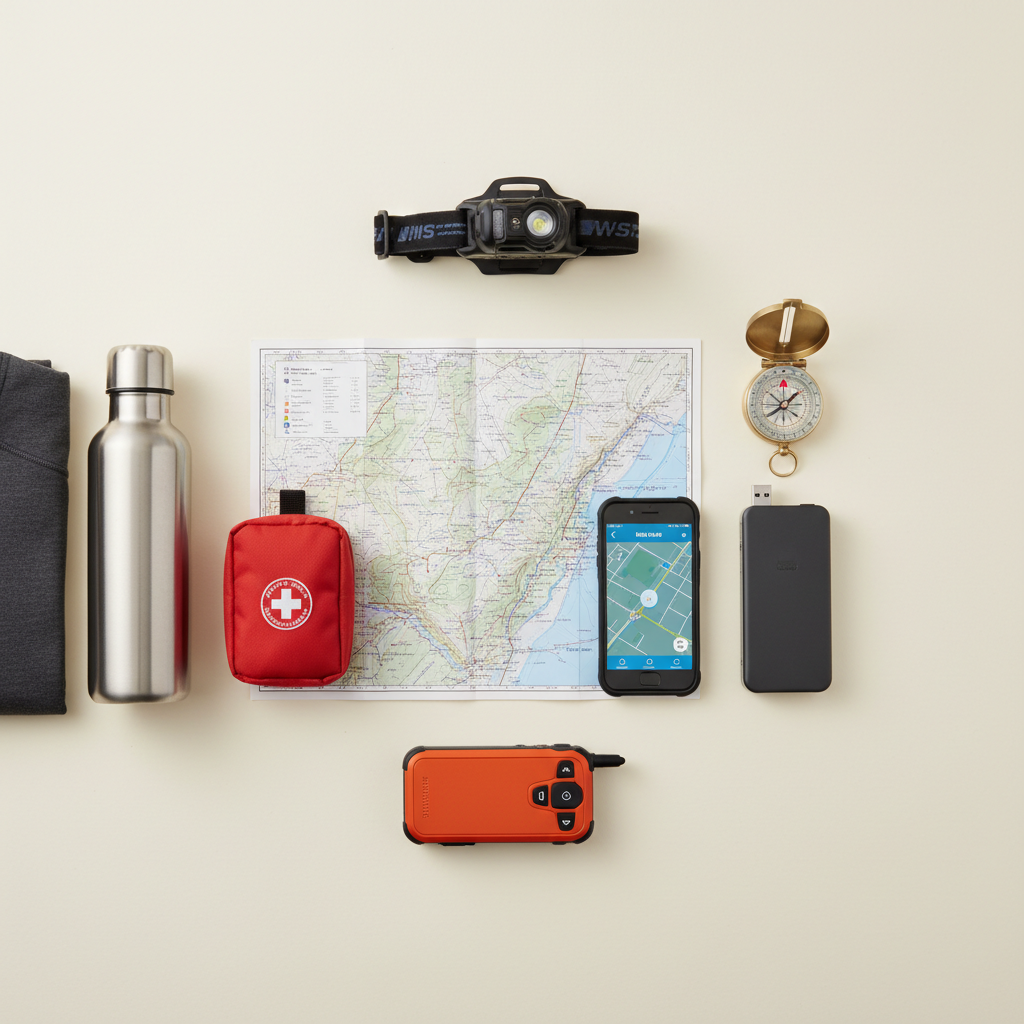
- Offline maps downloaded before you leave coverage.
- Paper map for any area where trails/roads branch frequently.
- Satellite messenger can be worth it in very remote regions, especially solo, but learn its limitations and messaging flow.
Health and comfort essentials
- Water capacity that matches climate and exertion, plus a backup option.
- Basic first-aid kit appropriate for blisters, minor cuts, and sprains.
- Layers even in warm months, because wind and altitude change the equation.
Vehicle basics for backroads
- Full tank earlier than you think, remote gas stations keep odd hours.
- Spare tire and inflation you can actually use, not just “it exists.”
- Simple recovery items vary by terrain, and if you are unsure, ask a local outfitter what is typical for that road type.
On-the-ground habits that keep you safe without killing the vibe
Planning matters, but most safety wins happen in small, consistent choices while you are out there. These are the habits that tend to prevent “small problem becomes big problem.”
- Start earlier than feels necessary, protect daylight like it is a resource.
- Use the “two-check rule”: if two signals disagree (GPS vs signs, map vs terrain), pause and verify before moving.
- Keep a turnaround time and respect it even if the destination is close.
- Watch for fatigue decisions: rushing, skipping water, ignoring weather shifts.
- Stay politely curious with locals: ask about road conditions and closures, not just “is it safe.” You get better answers.
- Do not broadcast your exact location in real time on public social posts, especially when traveling solo.
For wildlife-heavy areas, follow posted guidance and keep distance. If you are unsure about animal behavior or local hazards, it may be smart to consult a ranger station or a qualified guide.
A practical safety plan by scenario (table)
Different trips need different safeguards. Use this table as a quick match, then customize based on region and season.
| Scenario | What usually goes wrong | What to do before you go | What to do on site |
|---|---|---|---|
| Remote day hike | Wrong turn, weather shift, dehydration | Offline map, turnaround time, extra water, layers | Two-check rule, pace steady, stop early if clouds build |
| Backroad drive | Flat tire, fuel gap, impassable road | Fuel early, tire check, download maps, tell someone route | Do not push into deep mud/snow, turn around before dusk |
| Urban “hidden spots” | Petty theft, wrong neighborhood timing | Check local advisories, keep valuables minimal | Stay aware, avoid flashing gear, use rideshare late at night |
| International rural travel | Rule confusion, medical access delays | Check embassy guidance, insurance coverage, basic phrases | Keep documents secure, avoid risky transport, confirm routes |
Common mistakes that look “adventurous” but are just avoidable
A lot of unsafe travel behavior is not reckless on purpose, it is optimism. These are the patterns worth catching early.
- Over-trusting one app for navigation without offline backups.
- Chasing the last mile even when conditions change, because you feel invested.
- Assuming help is close when you have not seen another person in an hour.
- Skipping permits or access rules, which can create legal trouble and real safety issues.
- Carrying gear you cannot use, like a stove with no fuel or a first-aid kit you never opened.
According to the CDC, travelers should prepare for health and safety risks by planning ahead, which can include knowing where to get help and what to do if plans change.
When to seek professional help or change the plan
There is no shame in hiring help or choosing a less remote option. In many situations, it is the most mature decision you can make.
- Technical terrain such as mountaineering routes, canyoneering, avalanche-prone areas, or swift-water crossings, consider a certified guide or local outfitter.
- High medical risk or complex conditions, ask a clinician about travel limits, altitude, and medications, especially for remote regions.
- Active alerts like wildfire closures, severe storms, or security advisories, reroute early rather than debating on site.
- Solo travel in very remote areas without communications options, upgrading your plan may be safer than “just being careful.”
Key takeaways + a simple next step
Key points: Build a three-source info triangle, protect daylight, keep offline navigation, and tell someone your plan. That combination covers most real-world failures.
If you want a clean next step, pick one upcoming “offbeat” outing and write a one-paragraph itinerary, download offline maps, and set a firm turnaround time. You will feel the difference immediately, and how to travel off the beaten path safely starts to look less like a mystery and more like a routine.