
How to choose a travel backpack size comes down to two things people often mix up: how much you want to carry, and how well the pack carries it on your body. If you pick based on “liters” alone, you can end up with a bag that technically fits your stuff but feels awful after 20 minutes.
Backpack size affects airline compliance, daily comfort, and even how you pack. Too small and you’ll be doing laundry every other night or strapping gear outside the pack. Too big and you’ll fill the extra space, then wonder why your shoulders hate you.
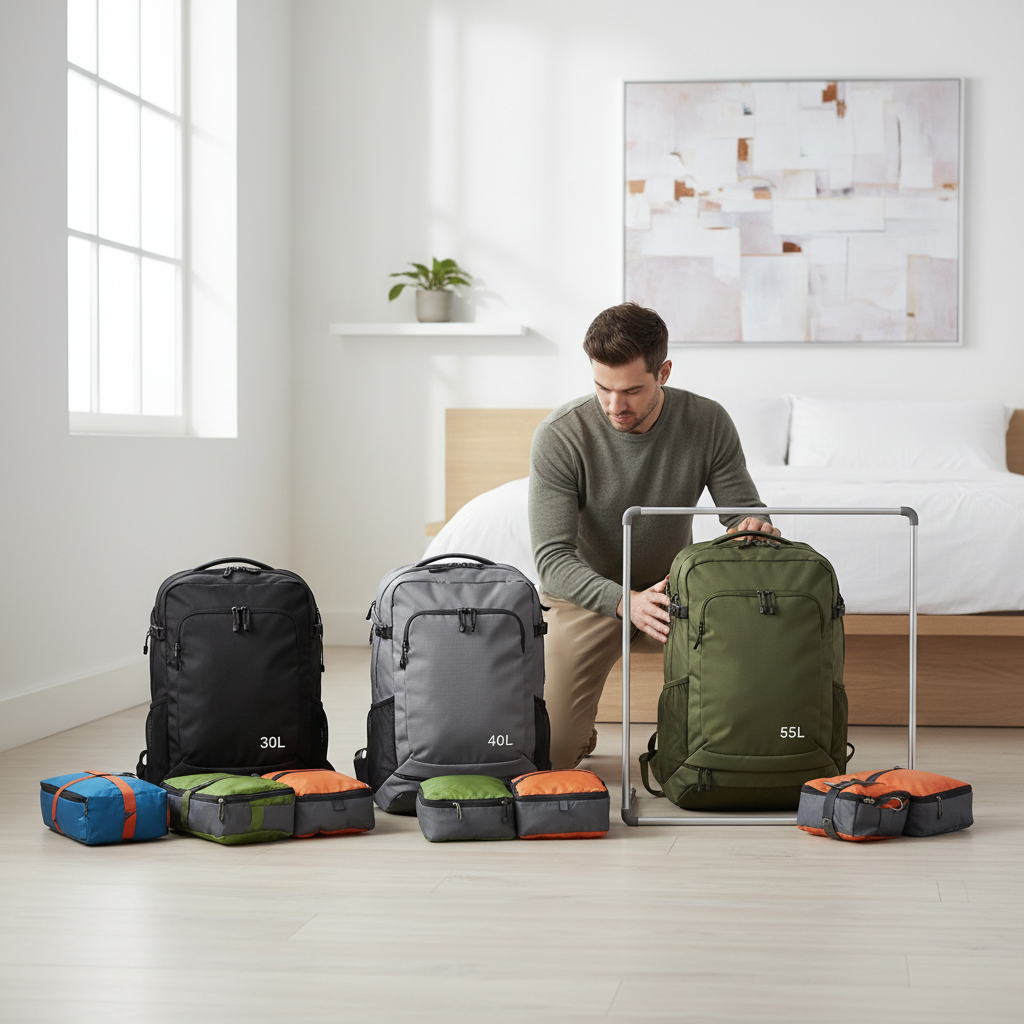
This guide gives you practical ranges (weekend, 1–2 weeks, long trips), a quick self-check, and a few “don’t get fooled by this” warnings. You’ll also see a simple table you can screenshot before you shop.
Start with the trip reality, not the “one-bag dream”
Most sizing mistakes happen because people shop for an idealized trip. In real life, trip type decides your baseline volume more than your personality does.
- Urban hotel travel: less bulk, more repeat outfits, easy laundry options.
- Cold-weather destinations: insulation layers eat space fast, even if your wardrobe stays small.
- Work + casual: shoes, a blazer, tech gear, and “just in case” items stack up.
- Outdoor or multi-sport: specialized gear (helmet, sleeping kit, climbing shoes) can push you beyond carry-on sizes.
When you’re learning how to choose a travel backpack size, be honest about the bulkiest item you refuse to skip, because that one item usually sets the floor for liters.
Backpack liters explained (and why numbers vary by brand)
Capacity is measured in liters, but the same “40L” can feel different across brands due to pocket design, frame shape, and how the main compartment is measured. Some packs count every external pocket; others focus on internal volume.
According to IATA (International Air Transport Association), carry-on rules vary by airline, and enforcement varies by airport and route, so capacity alone never guarantees you’ll skate through as a carry-on.
- Boxy clamshell packs tend to pack like a suitcase, great for cubes.
- Tall hiking-style packs may carry weight better, but can exceed carry-on height sooner.
- Expandable designs are convenient, but easy to overfill, then struggle at the gate.
So, how to choose a travel backpack size in liters? Use liters as a starting range, then confirm the actual external dimensions and the harness fit.
Quick size guide by trip length (with a practical table)
If you want one section to bookmark, make it this one. These ranges assume you pack with some restraint, use a couple packing cubes, and keep toiletries reasonable.
| Trip type | Typical backpack size | What it fits well | Common trade-off |
|---|---|---|---|
| Weekend / 2–3 days | 20–30L | 1 pair shoes max, light layers, minimal tech | Limited cold-weather clothing |
| 5–7 days (city) | 30–40L | Packing cubes, light jacket, basic laptop kit | Overpacking gets tempting near 40L |
| 1–2 weeks (mix of plans) | 35–45L | Extra footwear, nicer outfit, more layers | Airline compliance depends on dimensions |
| Long trip with frequent laundry | 35–45L | Repeatable capsule wardrobe, versatile shoes | Requires laundry routine discipline |
| Gear-heavy / cold / remote | 45–60L | Bulky insulation, specialty gear, food/water room | Often checked-bag territory |
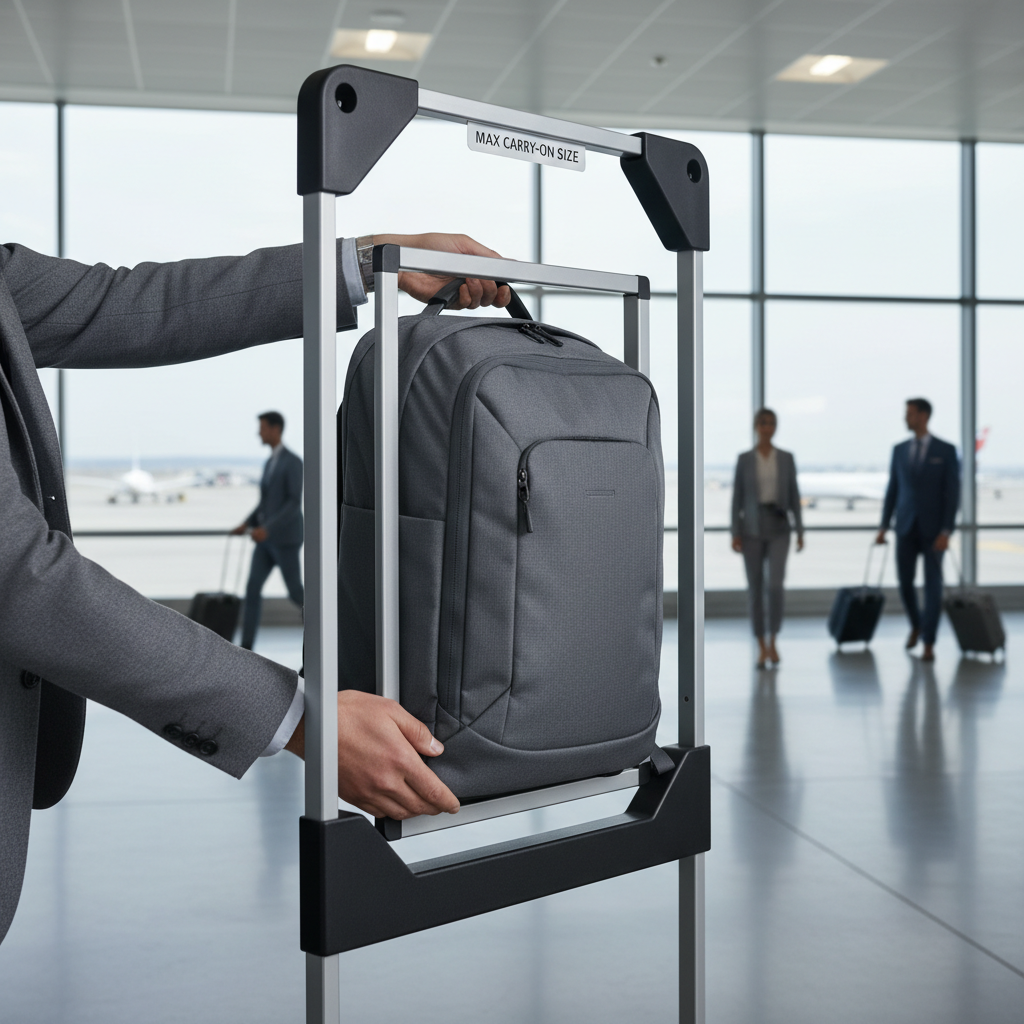
A lot of US travelers land on 35–45L as the “one pack for most trips” zone. It’s not magic, it just tends to balance airline practicality, packing comfort, and room for a small tech kit.
Fit matters as much as volume: torso length, hip belt, and weight
Two people can carry the same 40L pack and have totally different experiences. That’s usually fit, not toughness.
What to check in 3 minutes
- Torso length range: match the pack’s harness adjustment to your torso, not your height.
- Hip belt contact: the belt should sit on top of your hip bones, transferring weight off shoulders.
- Shoulder strap gap: straps should wrap without pinching or leaving a big gap.
- Load-lifters and sternum strap: small straps, big difference for stability.
According to REI, most of your pack weight should ride on your hips with a properly fitted hip belt, which is why “bigger pack” can feel easier than “smaller pack” if the harness is better.
A self-checklist to pick your range (before you shop)
If you’re stuck between two sizes, answer these honestly. This tends to make the decision obvious.
- Do you pack a second pair of shoes no matter what?
- Are you carrying a laptop plus charger, mouse, headphones, maybe a camera?
- Will you wear a puffy jacket or thick sweater on this trip?
- Are you okay doing laundry every 4–6 days?
- Do you hate anything hanging off the outside of your bag?
- Do you usually buy souvenirs that take space (clothes, books, gifts)?
Rule of thumb: if you answered “yes” to three or more, you’ll usually be happier sizing up within the carry-on-friendly range, then using compression and better organization to keep the load controlled.
Practical packing strategy that changes the size you need
Here’s the part people miss: smarter packing often saves more space than dropping an item or two. If you want to learn how to choose a travel backpack size without regret, pair the size decision with a packing method.
High-impact moves
- Use 2–3 packing cubes: you waste less space and unpack faster.
- Commit to a capsule wardrobe: fewer “single-use” pieces, more mix-and-match.
- Pick one jacket strategy: either a packable shell + midlayer, or one warm outer layer, not all three.
- Downsize toiletries: travel-size bottles beat “I’ll bring the whole thing.”
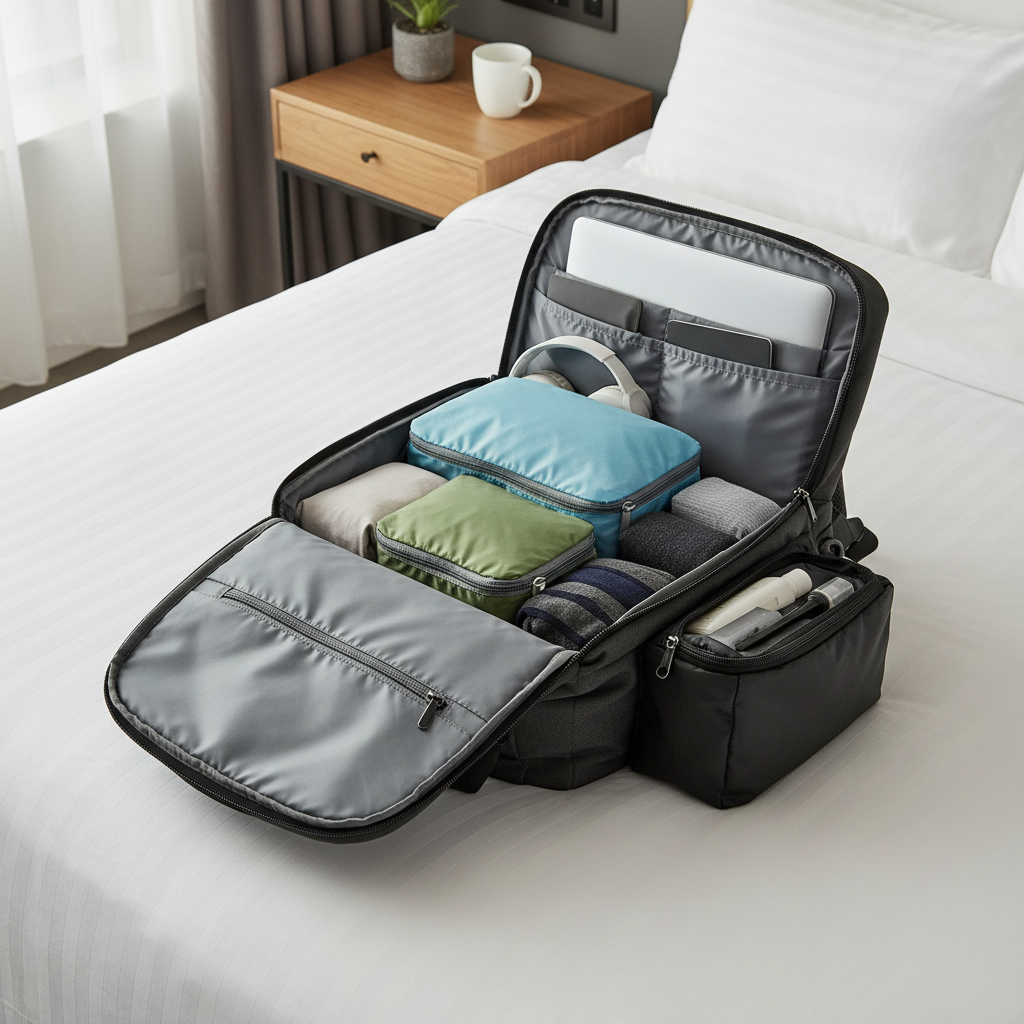
If you’re consistently spilling past a 35–40L pack, it’s often not “you need 55L,” it’s that your clothing system or shoe choices are eating volume. Fix that first, then decide if you still need more space.
Common mistakes (that make you buy the wrong size)
- Shopping by trip length alone: a 7-day beach trip and a 7-day winter trip are different animals.
- Assuming “carry-on” means universal: airlines vary, and soft packs bulge when full.
- Ignoring empty-pack weight: heavy bags feel “premium” in a store, then punish you on stairs.
- Overvaluing extra pockets: pockets steal main compartment volume and can make packing awkward.
- Buying too large “for flexibility”: extra liters invite extra stuff, then the pack becomes your problem.
If you’re deciding between two capacities, pick the one that still works when you don’t pack perfectly, but doesn’t allow you to carry a whole second trip by accident.
When to ask for help (or at least do a test pack)
If you have back or shoulder pain, or you’re recovering from an injury, pack fit becomes more than comfort. In those cases, it may be worth getting fitted at a specialty retailer, and if pain persists, consider asking a medical professional for guidance on safe load and carry habits.
Even without health concerns, a simple “test pack” saves money: load the bag with what you’d actually bring, wear it for 10 minutes, climb stairs, then decide. Most regrets show up fast.
Key takeaways and a simple next step
Choosing a backpack size is less about chasing a perfect number and more about matching your trip, your packing style, and your body. For many travelers, 30–40L fits weekend-to-week trips, while 35–45L covers broader scenarios if you verify dimensions and fit.
Your next step: write down your non-negotiables (shoes, laptop, cold layers), then test-pack them into the size range you’re considering. If it fits without forcing zippers and still feels balanced on your hips, you’re close.