
best travel guide for phuket 2026 usually comes down to one thing: making Phuket feel easy, not overwhelming, even if it’s your first time dealing with beaches, islands, scooters, tours, and “Is this too touristy?” choices all at once.
If you’ve been searching, you’ve probably noticed the same problem, lists that feel copy-pasted, vague advice on “best beaches,” and not enough help deciding what to do based on your travel style, couples, families, food-forward trips, nightlife, or a quiet reset.
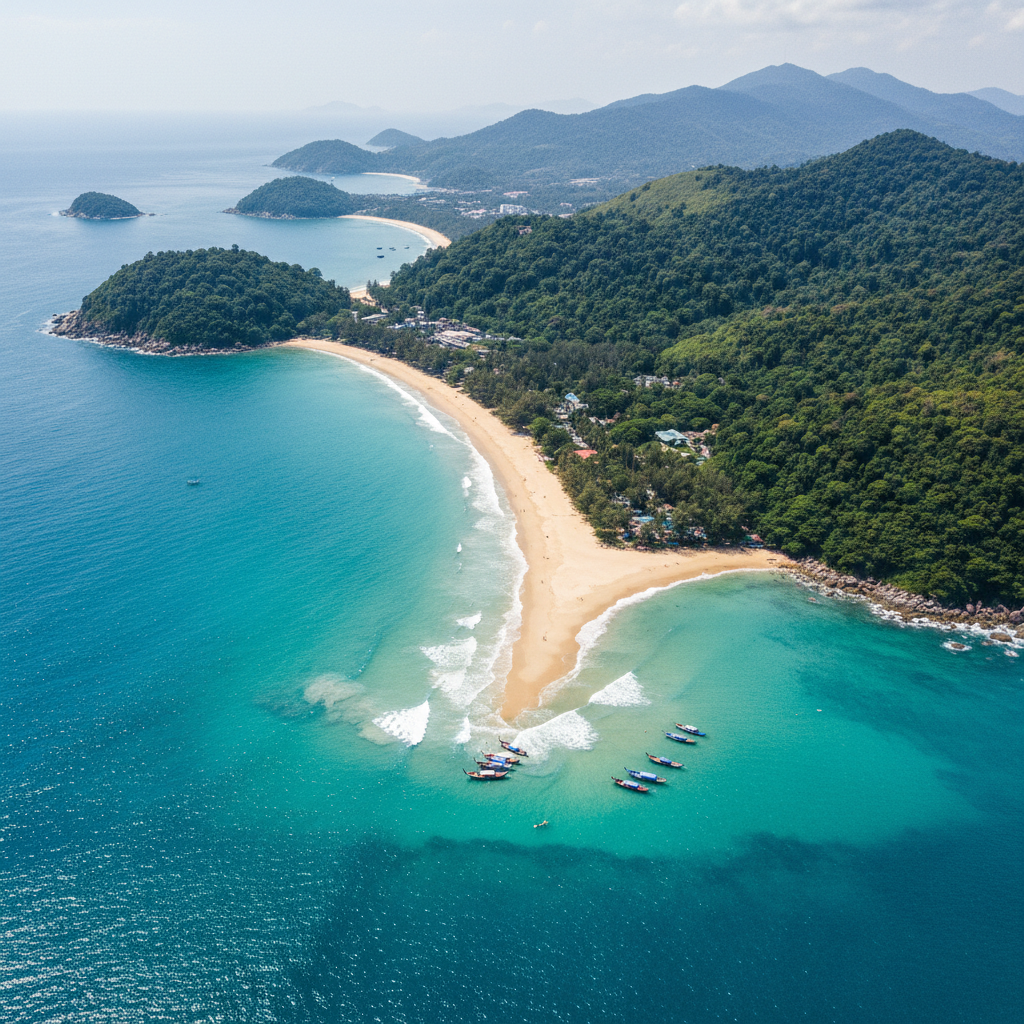
This guide focuses on practical decisions: where to base yourself, what’s worth booking in advance, how to build a 3–7 day plan, and how to avoid the common “we spent half the trip in traffic” regret.
What’s different about Phuket in 2026 (and why it matters)
Phuket changes year to year, but the big travel friction points stay consistent: transport, crowd timing, and picking a home base that matches your pace. In 2026, many travelers still underestimate drive times between beaches, and that single mistake can make a trip feel rushed.
Also, Phuket isn’t one destination, it’s a cluster of micro-areas. Patong, Kata, Kamala, Bang Tao, Old Town, and Rawai can feel like different vacations. So “best” depends on what you want to wake up to each morning.
For official entry and safety updates, check current advisories before you fly. According to U.S. Department of State guidance for Thailand, travelers should review safety information and local laws prior to travel.
Where to stay in Phuket: pick your base before you pick your tours
Choosing the right area is the fastest way to make a best travel guide for phuket 2026 actually useful, because it determines your daily commute, noise level, and how often you’ll need a car.
Quick neighborhood match
- Patong: nightlife, convenience, busy beaches, more aggressive sales energy.
- Kata / Karon: classic beach holiday, good mix of dining and calmer nights.
- Kamala: quieter beach vibe, couples and families often like it.
- Bang Tao / Surin area: more space, upscale resorts, beach clubs, longer distances.
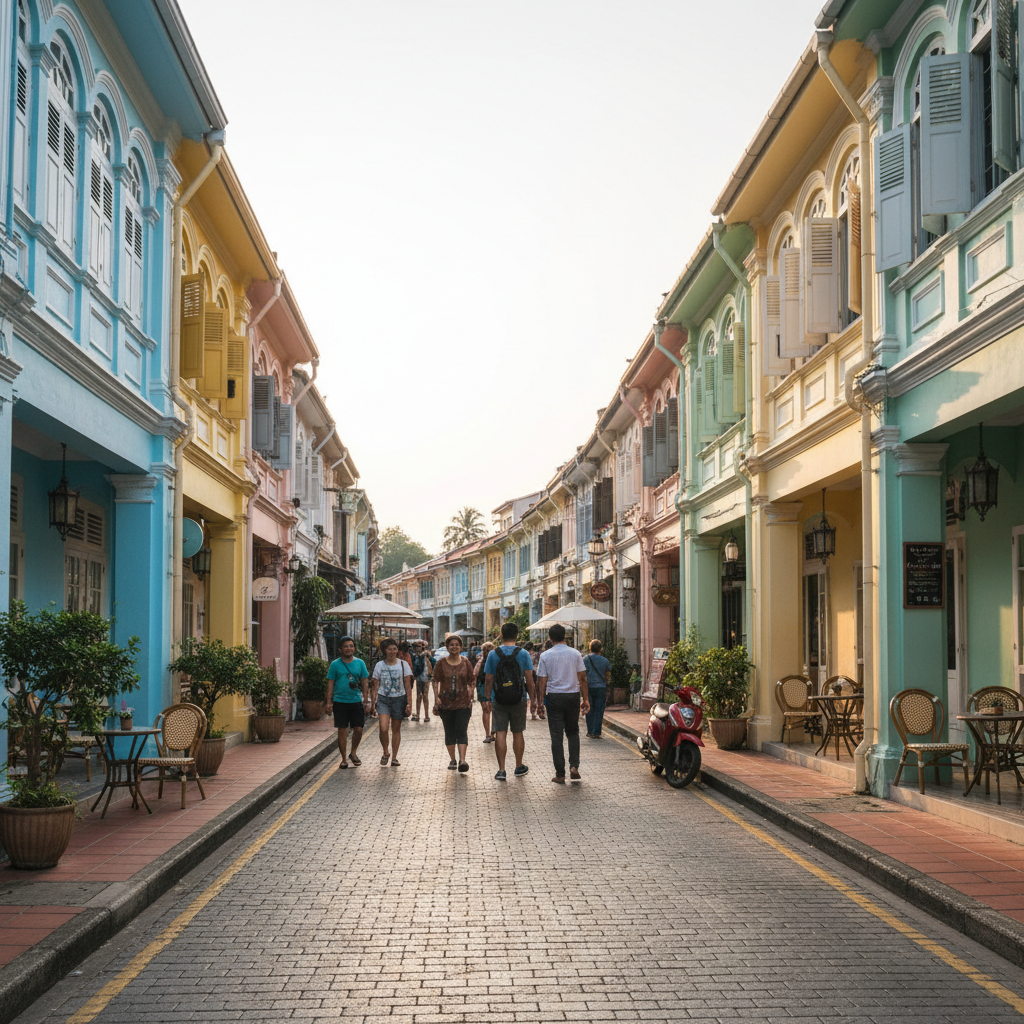
- Phuket Old Town: cafes, markets, culture, better if you’ll do day trips by car.
- Rawai: local feel, seafood, closer to some island piers, not a “swim beach” hub.
Editor’s take: if you hate planning logistics, stay closer to what you’ll do most. Beach-only trips do better on the west coast; mixed trips often work well split between Old Town and a beach area.
Best time to go: weather, crowds, and what “good season” really means
Most people aim for the dry season, but the reality is more nuanced: prices, crowd density, and sea conditions shift across months, and your “perfect weather” might come with packed beaches.
- Dry season (often Nov–Apr): generally calmer seas and clearer days, but more demand and higher rates.
- Shoulder periods: you may get great value, with a mix of sun and occasional rain.
- Rainy season: fewer crowds, but rougher seas can affect boat trips; swimming flags matter.
For sea safety and beach warnings, pay attention to local flags and hotel notices. According to NOAA, weather and marine conditions can change quickly, and forecasts should be checked close to departure for activities on the water.
Getting around Phuket without burning half your trip in traffic
Transportation is where Phuket trips quietly fail. Distances look short on a map, then you hit congestion or winding roads. Plan each day with one “anchor area,” not three.
Common options (and who they suit)
- Ride-hailing / taxis: easiest for short hops, but costs add up if you bounce around.
- Private driver for a day: good for families or groups, and for Old Town + viewpoints + beaches.
- Rental car: flexibility, but parking and left-side driving can feel stressful for some Americans.
- Scooter: popular, but riskier. If you’re not experienced, this is where “vacation” turns into “clinic.” Consider safer transport.
If you plan to ride a scooter, many insurance policies have exclusions, and licensing rules can vary. It’s worth confirming requirements and coverage with a professional advisor or your insurer.
Phuket day trips: choose 1–2 “big” water days, not every day
The temptation is to book islands every day, Phi Phi, James Bond Island, Similan, Racha, plus a sunset cruise. It sounds amazing, then you realize you’re living on a speedboat schedule.
Better approach: pick one headline trip, and one lighter trip, then leave breathing room for beaches and food.
Popular day-trip picks (how to decide)
- Phi Phi Islands: iconic scenery, often crowded; consider early departures if available.
- Phang Nga Bay (James Bond Island area): dramatic limestone cliffs; great if you like photography and kayaking.
- Coral / Racha Islands: easier, often less intense than full-day long transfers.
- Similan Islands: known for snorkeling/diving, but seasonal access can apply; confirm operators and conditions.

Safety note: for boat tours, prioritize operators who brief clearly, provide life jackets, and adapt to sea conditions. If the water feels rough, it’s reasonable to ask questions or switch plans.
Sample itineraries (3, 5, and 7 days) you can actually follow
These are built around minimizing backtracking. Swap beaches based on your hotel location, but keep the “one zone per day” logic.
3 days: first-timer core
- Day 1: settle in + west-coast beach afternoon + sunset viewpoint.
- Day 2: one island day trip (Phi Phi or Phang Nga Bay).
- Day 3: Old Town food + markets + a quieter beach to finish.
5 days: balanced pace
- Day 1: beach + light exploration.
- Day 2: headline island day.
- Day 3: spa/rest day + local dining.
- Day 4: second, shorter water trip (Coral/Racha) or cultural day.
- Day 5: flexible “do-over day” for whatever you loved.
7 days: add a second base (optional)
- Days 1–3: west-coast beach base.
- Days 4–5: Old Town base for food, cafes, easy driver days.
- Days 6–7: return to a calmer beach area, keep plans light.
Planning cheat sheet: costs, booking timing, and a simple comparison table
If you want the trip to feel smooth, decide in advance what you’ll book early versus what you’ll leave flexible. This is especially true in peak weeks.
What to book ahead vs. on the ground
- Book ahead: airport transfers (if arriving late), a “headline” island tour, popular resorts, special occasion dining.
- Book locally: casual massages, short-taxi day plans, extra beach days, many market meals.
At-a-glance comparison
| Decision | Best for | Trade-off |
|---|---|---|
| Stay in Patong | Nightlife, walkability | Noise, crowds |
| Stay in Kata/Karon | Classic beach mix | Less “city” energy |
| Private driver day | Families, efficient sightseeing | Higher daily cost than scooters |
| Two bases (beach + Old Town) | Food + culture + beach balance | One hotel change |
Key takeaways, common mistakes, and a practical “do this next” list
Key points: Phuket rewards simple planning. Pick a base that matches your vibe, limit long transfers, and treat island tours like special days, not a daily routine.
- Mistake: booking activities in opposite directions on the same day. Fix: cluster by area.
- Mistake: assuming every beach is swimmable year-round. Fix: respect flags and conditions.
- Mistake: over-scheduling island tours. Fix: keep at least one unplanned day.
- Mistake: choosing a hotel solely on “pretty photos.” Fix: check location relative to your must-dos.
If you want a quick action plan, do this: choose your base area, pick one signature day trip, then build the rest around food, beach time, and one flexible day. That’s how the best travel guide for phuket 2026 turns into a trip that feels relaxed, not “managed.”
If you’re ready to plan, start by listing your top 3 priorities (beach time, food, nightlife, islands, culture), then match them to one home base and one big excursion, you’ll cut decision fatigue fast and spend more time enjoying Phuket.