
Choosing a travel wallet rfid blocking option can reduce the risk of contactless card scanning while you move through airports, transit, and crowded tourist areas.
If you’ve ever felt that little spike of anxiety at a packed gate or on a subway platform, you’re not alone, travel creates more “close contact” moments where your cards and ID sit inches from strangers and their devices.
This guide breaks down what RFID blocking really does, when it matters, which features are worth paying for, and how to use a wallet in a way that actually improves security rather than just adding bulk.
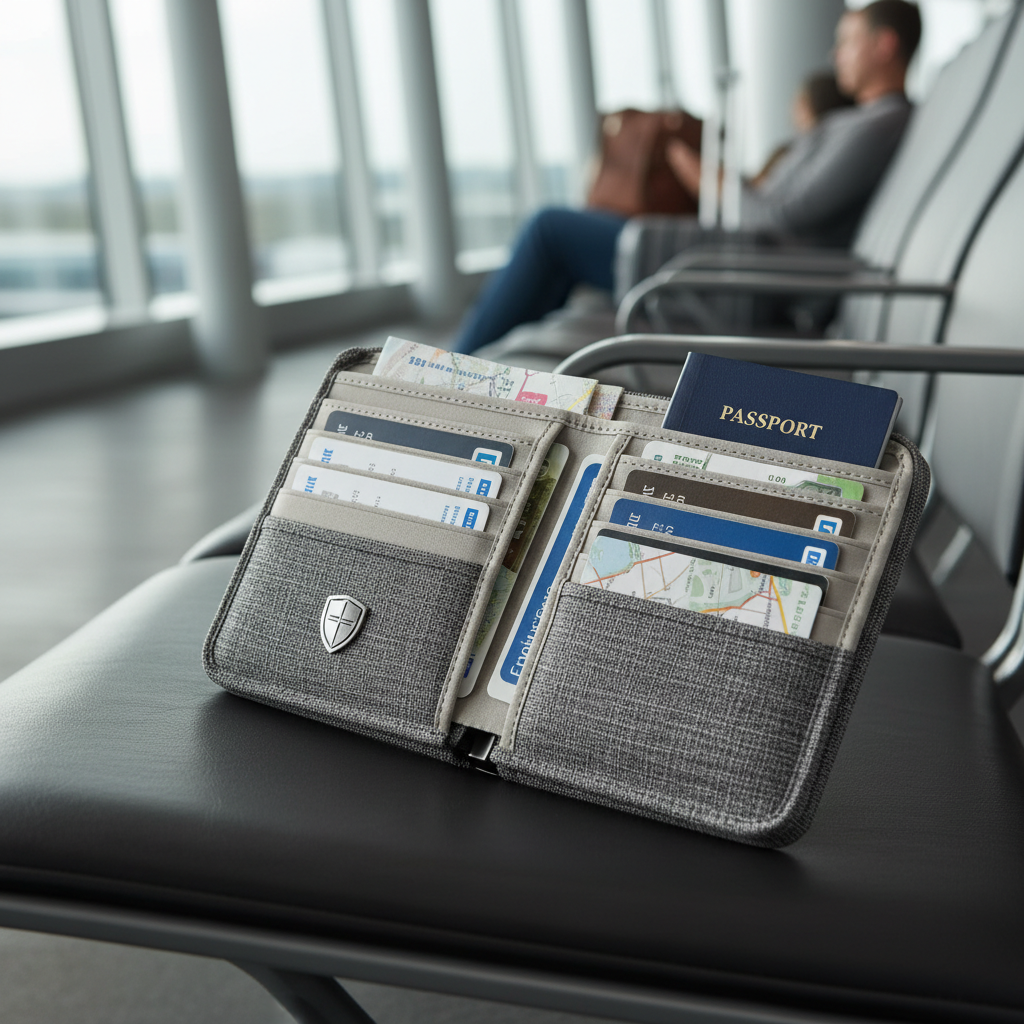
What RFID blocking is (and what it is not)
RFID and NFC are short-range radio technologies used in contactless cards, passports in some countries, and access badges. An RFID-blocking wallet typically uses a thin shielding layer, often a metallic fabric or foil, designed to disrupt that signal.
Two important boundaries keep expectations realistic:
- It may help against “skim at close range” scenarios, like someone trying to read a tap-to-pay card while standing very close.
- It does not replace fraud monitoring, because many card theft cases come from data breaches, phishing, card-not-present fraud, or physical theft of the card itself.
According to the U.S. Federal Trade Commission (FTC), consumers should focus on monitoring accounts and reporting suspicious charges quickly, since many fraud paths never involve RFID scanning at all.
When an RFID-blocking travel wallet matters most
Not every trip needs extra gear, but certain situations tend to raise the payoff.
Higher-risk travel moments
- Crowded venues: festivals, metros, packed lines, tourist hotspots where personal space disappears.
- Frequent “bag open” routines: security checkpoints, boarding passes, switching currencies, showing ID.
- International travel: more documents to carry, more unfamiliar environments, sometimes more reliance on public transit.
When it might be overkill
- Quick domestic weekend trips with one card and a phone wallet.
- Trips where you already keep cards in an inner zip pocket and rarely expose them.
A practical way to think about it: RFID blocking helps most when you’re forced into close quarters and repeated handling, not when your wallet stays buried and untouched.
Quick self-check: Do you need RFID blocking?
Use this as a fast decision tool. If you check two or more boxes, an RFID-blocking option is usually reasonable.
- You carry multiple contactless cards and prefer physical wallets over phone-only payments.
- You often travel through dense crowds or use public transit daily while traveling.
- You’ve dealt with lost wallets before and want an extra layer of “passive” protection.
- You need to carry a passport + cards + some cash in one place.
- You tend to keep your wallet in a back pocket or an outer backpack pocket.
If none apply, you can still buy one for convenience and organization, but security gains may be marginal compared with basics like locking screens, using credit over debit, and monitoring transactions.
What to look for in a travel wallet (features that actually help)
RFID shielding is only one line item. The best travel wallets for real-world use usually win on access control, organization, and carry comfort.
Must-have features for most travelers
- Secure closure: zip-around or a strong snap, so cards don’t slide out during checkpoint chaos.
- Passport pocket with a stop: a slightly snug sleeve prevents it from creeping out when you pull other items.
- Separated zones: cards apart from cash reduces fumbling and accidental drops.
- Materials that age well: quality nylon, leather, or coated fabric that won’t peel mid-trip.
Nice-to-have, depending on your style
- Pen loop for customs forms, surprisingly useful.
- SIM/SD slot if you swap SIMs or manage camera storage.
- Wrist strap if you carry it like a clutch inside terminals.
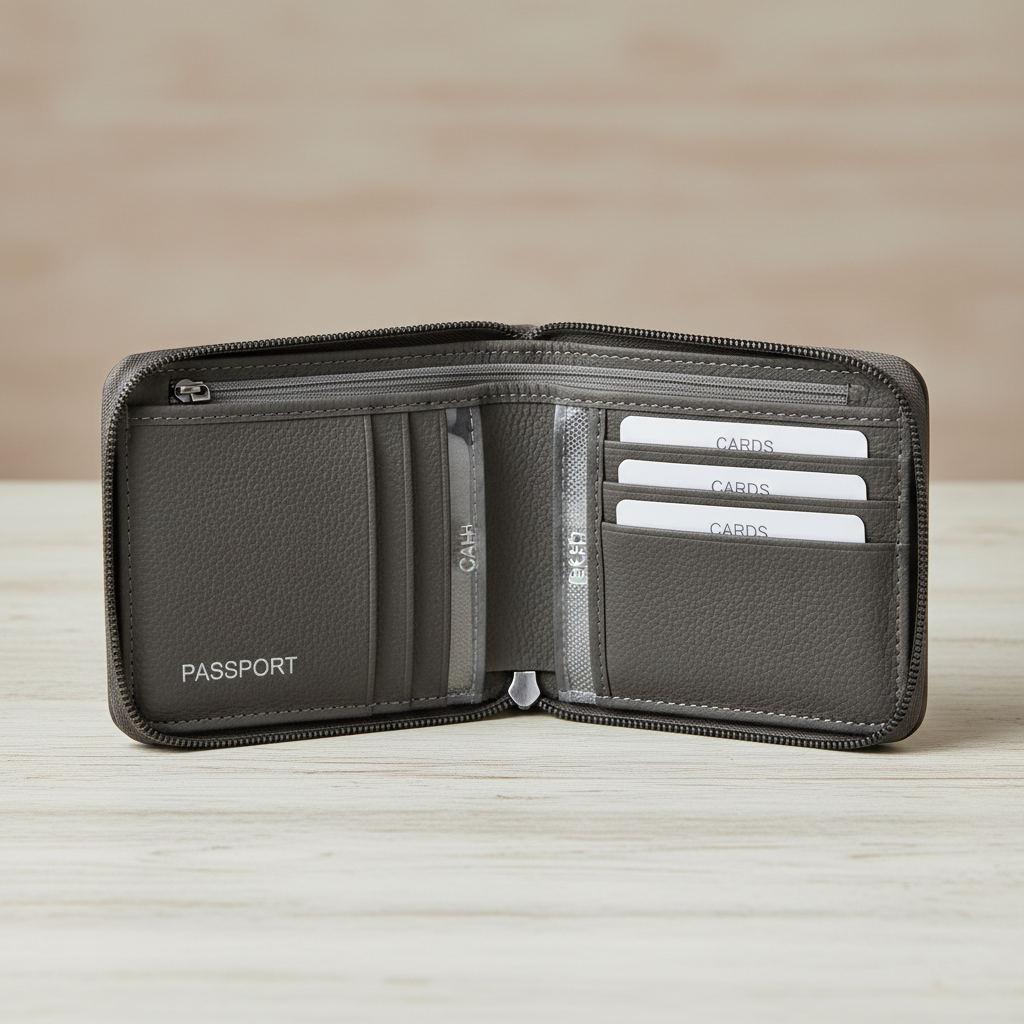
Comparison table: Which type fits your trip?
Here’s a straightforward way to choose without spiraling into specs.
| Wallet type | Best for | Tradeoffs |
|---|---|---|
| Slim RFID card holder | Minimalists, short trips, front-pocket carry | Limited cash storage, not great for passports |
| Zip-around RFID travel wallet | International trips, passport + multiple cards | Bulkier, slower access at point of sale |
| Neck pouch with RFID blocking | High-crowd destinations, hands-free security | Less convenient, can feel awkward in daily use |
| Crossbody travel organizer (RFID) | Families, lots of documents, boarding passes | Needs disciplined carry habits, bigger target if left open |
How to use an RFID travel wallet for better security (real routines)
A travel wallet rfid blocking setup works best when it supports habits you’ll actually keep when you’re tired, rushed, and distracted.
1) Split what you carry (so one mistake doesn’t wipe you out)
- Keep one primary card in the wallet for daily spending.
- Store a backup card elsewhere, hotel safe, luggage with a lock, or a separate inner pocket.
- Carry some cash but not all of it in one compartment.
2) Control “exposure time” in crowds
- Before you enter a busy line, place the wallet where you can keep a hand on it, inner jacket pocket often beats a backpack.
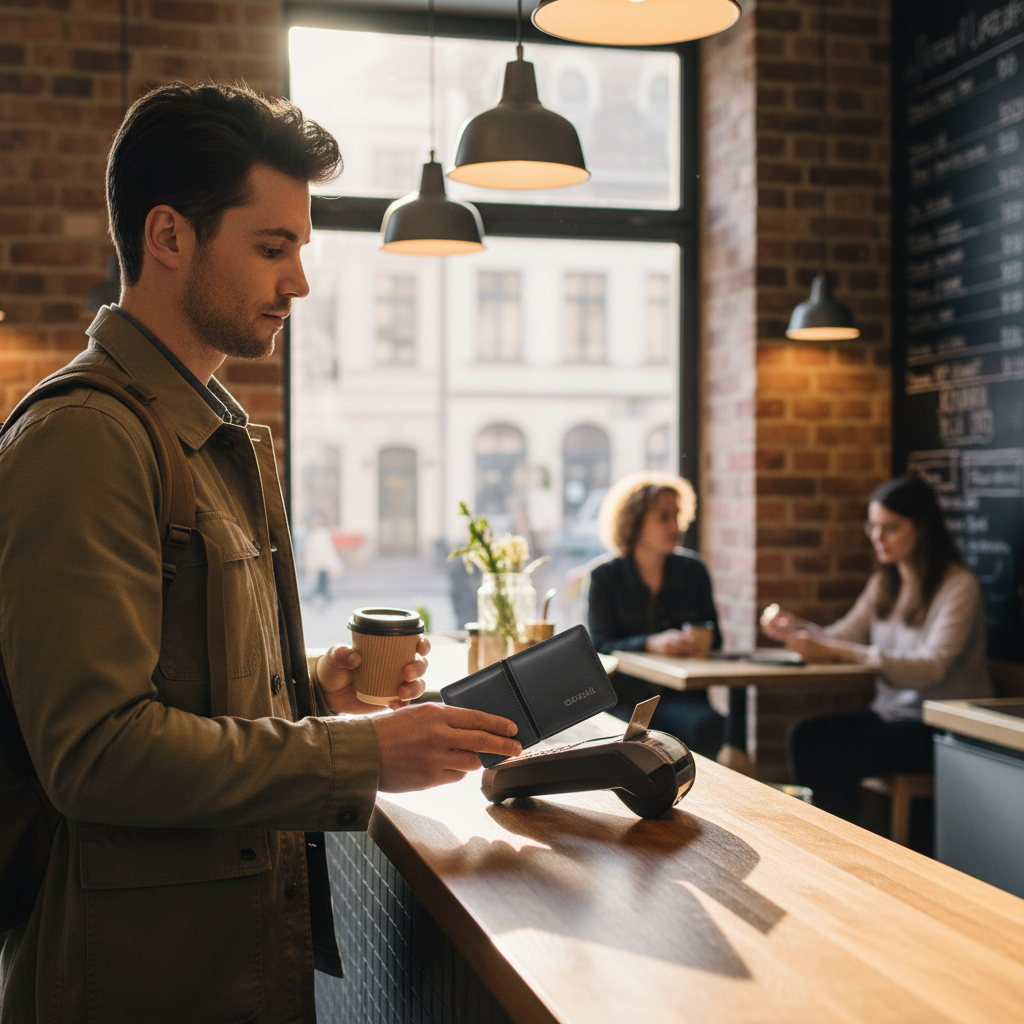
- At checkout, take the card out, pay, put it back, then close the wallet before you step aside.
3) Prefer credit over debit when possible
Debit cards can be riskier because they connect directly to your bank balance. Many travelers prefer credit cards for fraud protections and dispute processes, though the exact protections vary by issuer and situation.
According to the Consumer Financial Protection Bureau (CFPB), quick reporting is key for limiting losses, especially with debit cards where liability rules can change based on timing.
Common mistakes people make with RFID wallets
- Assuming “RFID = total fraud protection”. It’s one layer, not a fraud shield for online transactions.
- Buying oversized organizers and then leaving them unzipped because they’re annoying to open, that defeats the point.
- Storing everything together (passport, all cards, all cash). If it goes missing, the trip becomes a paperwork marathon.
- Ignoring physical theft risk. Pickpocketing is still a bigger issue in many travel settings than wireless skimming.
When to get extra help or change your security approach
If you see suspicious transactions, don’t try to “solve” it by swapping wallets. Contact your card issuer and follow their fraud steps, and consider placing a fraud alert or credit freeze if identity theft is a concern.
According to the FTC, IdentityTheft.gov is a recommended starting point for recovery steps in the U.S., your situation may vary and some cases benefit from guidance from your bank or a qualified professional.
Conclusion: Practical security beats perfect gear
A travel wallet rfid blocking design can be a smart add-on, especially in crowded travel routines, but it works best paired with boring basics: carry less, separate backups, close your wallet every time, and check accounts regularly.
If you want a simple next step, pick a wallet style you’ll truly use daily on the trip, then set a 30-second routine for “pay, return card, zip closed” so it becomes automatic.