
Meditation travel retreats are one of the simplest ways to step out of your usual noise and let your nervous system catch up, especially when “I’ll meditate at home” keeps slipping to tomorrow. The value is not just the destination, it’s the structure: set practice times, fewer decisions, and a supportive container that makes stillness feel possible.
If you’re scanning options right now, you’ve probably noticed two extremes: luxury “wellness getaways” with vague schedules, and serious silent retreats that sound intense. Most people need something in between, calm but not confusing, committed but not punishing.
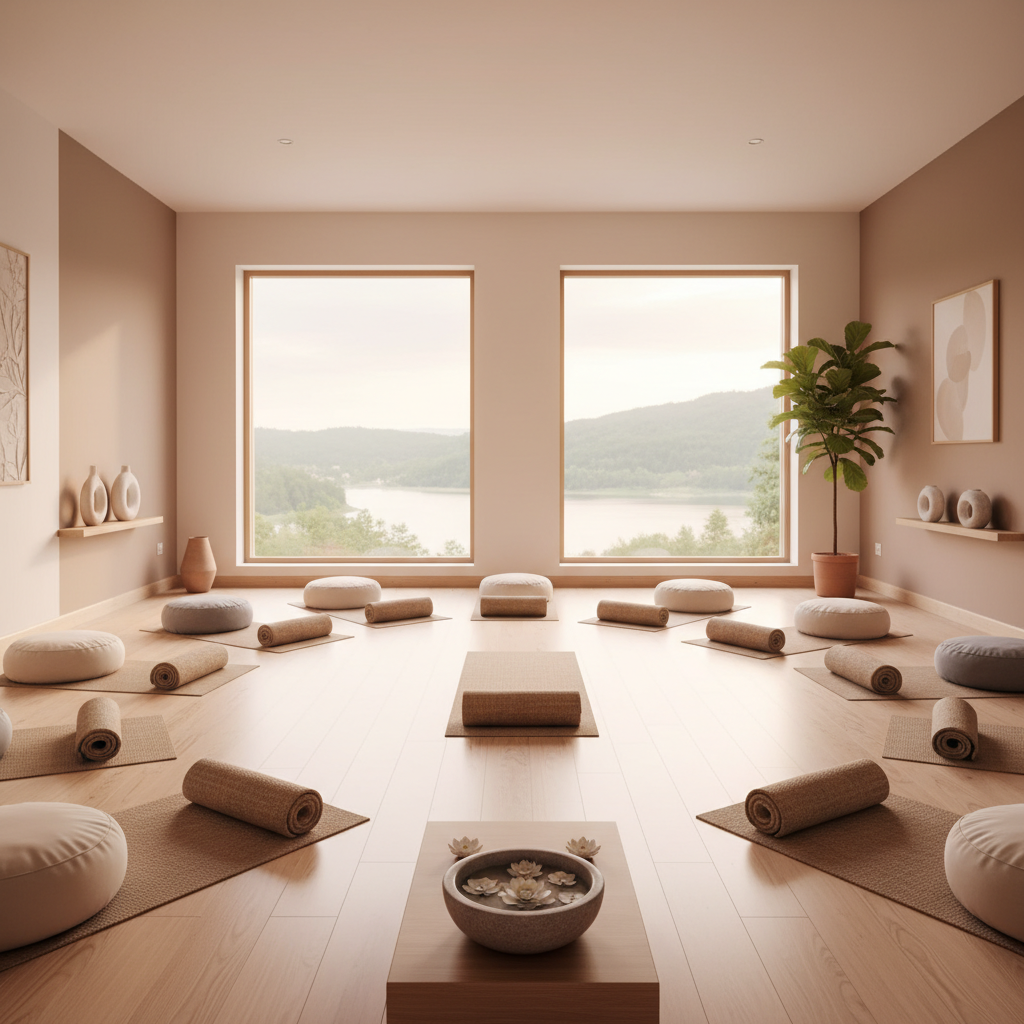
This guide helps you choose a retreat that fits your real life, budget, and comfort level, plus a practical checklist and a plan to keep the benefits after you fly home.
What “calm” really means on a retreat (and what it doesn’t)
Calm on retreat usually looks less like instant bliss and more like a predictable rhythm: you wake up, you practice, you eat, you walk, you sleep. Your brain relaxes because it stops negotiating every little choice.
At the same time, meditation can bring up restlessness, emotions, or fatigue. That’s normal for many people, and it’s one reason a well-run program matters. According to National Center for Complementary and Integrative Health (NCCIH), meditation practices may support well-being, but experiences vary and they’re not a substitute for medical care.
- Good calm: steadier attention, softer reactivity, better sleep routine, less “doom scrolling” urge
- Not guaranteed: constant peacefulness, “cured” anxiety, life clarity in 48 hours
Common types of meditation travel retreats (and who they fit)
Not all meditation retreats feel the same. The label may be identical, but the day-to-day experience can be wildly different. Here are the main buckets people end up choosing from.
Silent retreats
Often the deepest reset, also the biggest leap. Silence can include no phones, no reading, and limited eye contact. Great if you want intensity and are okay being uncomfortable for a bit.
Mindfulness retreats (structured, but approachable)
These usually blend guided sits, walking meditation, gentle movement, and talks. For many first-timers, this is the sweet spot: enough guidance to feel safe, enough silence to actually settle.
Yoga + meditation retreats
Ideal if sitting still feels like a trap. Look for honest scheduling: some programs say “meditation,” but offer one short sit and lots of activities. If your goal is calm, you want real practice time on the calendar.
Nature-based retreats
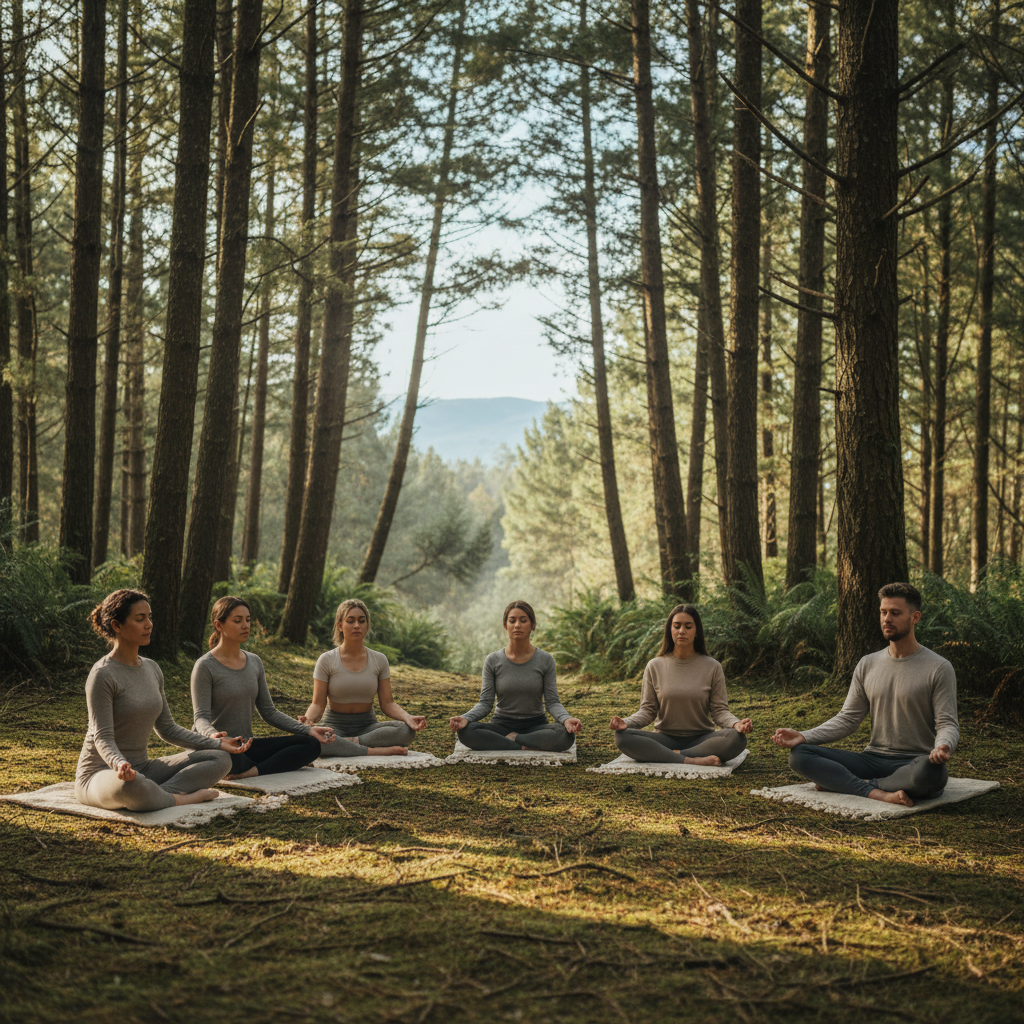
Think cabins, ocean views, desert quiet, forest walking. Nature helps, but it’s not magic by itself. Calm comes from the pairing of environment and practice structure.
Quick self-check: which retreat level should you book?
Before you compare locations, get clear on your “container tolerance,” meaning how much structure and intensity you can realistically handle right now.
- You’ll likely do well with a gentle intro retreat if you feel burned out, new to meditation, or worry about being overwhelmed by silence.
- You may prefer a structured mindfulness retreat if you want clear schedules, guided practice, and practical tools for daily life.
- A silent retreat might fit if you already meditate regularly, want fewer external inputs, and can sit with discomfort without spiraling.
If you have a history of panic attacks, trauma triggers, or mood episodes, it may be wise to choose programs with experienced teachers, clear support policies, and optional check-ins. If you’re unsure, consider asking a licensed mental health professional what intensity feels appropriate.
How to evaluate a retreat before you pay (the non-obvious criteria)
Most listings sell vibes. For calm, the operational details matter more than the photos.
- Daily schedule transparency: Look for a posted timetable with total meditation minutes per day.
- Teacher training and lineage: You want clarity on who teaches and what tradition they’re trained in, even if the retreat is “secular.”
- Silence rules and tech policy: “Digital detox encouraged” is not the same as “phones stored during sessions.”
- Group size: Smaller can feel safer, larger can feel anonymous. Neither is automatically better.
- Accessibility: Seating options, mobility needs, dietary support, quiet rooms, and realistic walking distances.
- Refund/change policy: Calm planning includes knowing what happens if life changes.
A simple comparison table
| Retreat style | Typical structure | Best for | Potential challenge |
|---|---|---|---|
| Mindfulness weekend | Guided sits + talks + gentle movement | First-time or busy professionals | May feel “light” if you want depth |
| Silent retreat (3–10 days) | Long sits, minimal interaction, strict tech limits | Experienced meditators | Intensity, emotional surfacing |
| Yoga + meditation | Movement-heavy with some sitting practice | People who regulate through the body | Meditation time can be short |
| Nature-based retreat | Quiet setting + practice blocks + hikes/walks | Overstimulated, screen-fatigued | Weather and logistics matter more |
Practical planning: what to pack, how to travel, how to arrive calm
People underestimate how much travel stress can cancel the first day. A calmer retreat often starts with a calmer arrival plan.
- Arrive early if you can: even 2–3 hours helps your body downshift before the first sit.
- Pack for comfort over aesthetics: layers, warm socks, a light jacket for meditation halls, and shoes you can slip on/off.
- Bring simple supports: earplugs, eye mask, a reusable water bottle, and any needed medications.
- Don’t over-pack “self-improvement”: if the retreat discourages reading/journaling, respect that; the point is fewer inputs.
Food is another quiet factor. If you’re sensitive to caffeine, sugar spikes, or late dinners, ask about meal timing and options. It’s a small question that changes the whole experience.

On-retreat habits that make calm more likely
Once you’re there, calm tends to come from consistency, not force. Many people try to “win” meditation on day one, then burn out by day two.
- Follow the schedule loosely, not angrily: aim for participation, not perfection.
- Use walking meditation: it’s often the bridge for people who struggle with long sits.
- Protect your sleep: skip late socializing even if it’s allowed; sleep is a major amplifier.
- Ask one good question: teacher time can be limited, so come with a specific friction point.
According to American Psychological Association (APA), mindfulness practices can be helpful for stress management for many people, but results differ by person and practice style. Translation: if a technique feels wrong for your body or mind, it’s okay to adapt or ask for a modification.
Bringing the benefits home: a simple 10-day “re-entry” plan
The biggest disappointment with meditation travel retreats is not the retreat, it’s the crash afterward. You go from quiet to 147 notifications and wonder where your calm went.
Try this instead, keep it realistic:
- Days 1–3: 10 minutes per day, same time, same spot. Phone stays in another room.
- Days 4–7: Add 1 short walking meditation after lunch or dinner.
- Days 8–10: Choose one “silence window” daily, even 20 minutes with no audio, no scrolling.
Then decide what you’ll sustain: three days a week is often better than a heroic plan you quit in a week.
Key takeaways (so you don’t overthink it)
- Choose structure over aesthetics: the schedule matters more than the view.
- Match intensity to your nervous system: silent retreats can be powerful, but not always the right first step.
- Plan your arrival: travel stress is real, build buffer time.
- Re-entry is the secret: a small post-retreat routine protects what you gained.
Conclusion: pick the retreat you’ll actually complete
Calm usually comes from doing fewer things, with more attention, in a setting that makes that choice easier. If you’re comparing meditation travel retreats, prioritize clear practice time, a teacher you trust, and policies that support quiet, then choose the length you can commit to without resentment. Book the retreat you can finish, and you’ll have something real to bring back home.
If you’re ready, your next step is simple: shortlist three programs, ask two practical questions about schedule and tech policy, then pick the one that feels doable rather than dramatic.
FAQ
Are meditation travel retreats worth it if I already meditate at home?
Often, yes, because retreats reduce decision fatigue and distractions. Even consistent home meditators may notice deeper practice when the environment and schedule support it.
What length is realistic for a first retreat?
A weekend can be enough to learn the rhythm without feeling trapped. If you’re drawn to longer stays, a 3–5 day format often feels like a reasonable first step.
Do I need to do a silent retreat to get real benefits?
No. Silence can help, but structure and repetition matter just as much. Many people get strong results from guided mindfulness retreats with some talking and Q&A.
How do I know if a retreat is too intense for me?
If you feel nervous about long silence, have difficulty being alone with your thoughts, or you’re currently in a fragile mental health period, choose a program with guidance and optional support check-ins. When in doubt, ask a clinician who knows your history.
What should I ask the retreat organizer before booking?
Ask for the daily schedule, teacher credentials, tech policy, and what support exists if you feel overwhelmed. Their clarity in answering is often a good signal.
Can I go on a retreat if I have anxiety?
Many people with anxiety attend retreats, but the best fit varies. A gentle, guided program may feel safer than strict silence, and it’s reasonable to consult a mental health professional if symptoms are severe or unpredictable.
How do I keep the calm after I return to work?
Plan a small routine before you leave the retreat, like 10 minutes daily plus a short silence window. The goal is continuity, not recreating the retreat at home.
If you’re currently sorting through options and want a more streamlined way to choose, it can help to compare retreats by schedule clarity, teacher background, and re-entry support rather than marketing promises, a short decision framework usually saves time and regret.