
Hot spring travel guide planning tends to fall apart in the same two places, picking a spot that doesn’t match your body and expectations, and showing up unprepared for the small rules that make or break the experience.
If you want a wellness-focused trip, you’re not just hunting for “a pool of hot water.” You’re balancing heat tolerance, travel pace, hydration, sleep, and the vibe you need, quiet recovery, social fun, or a mix of both.
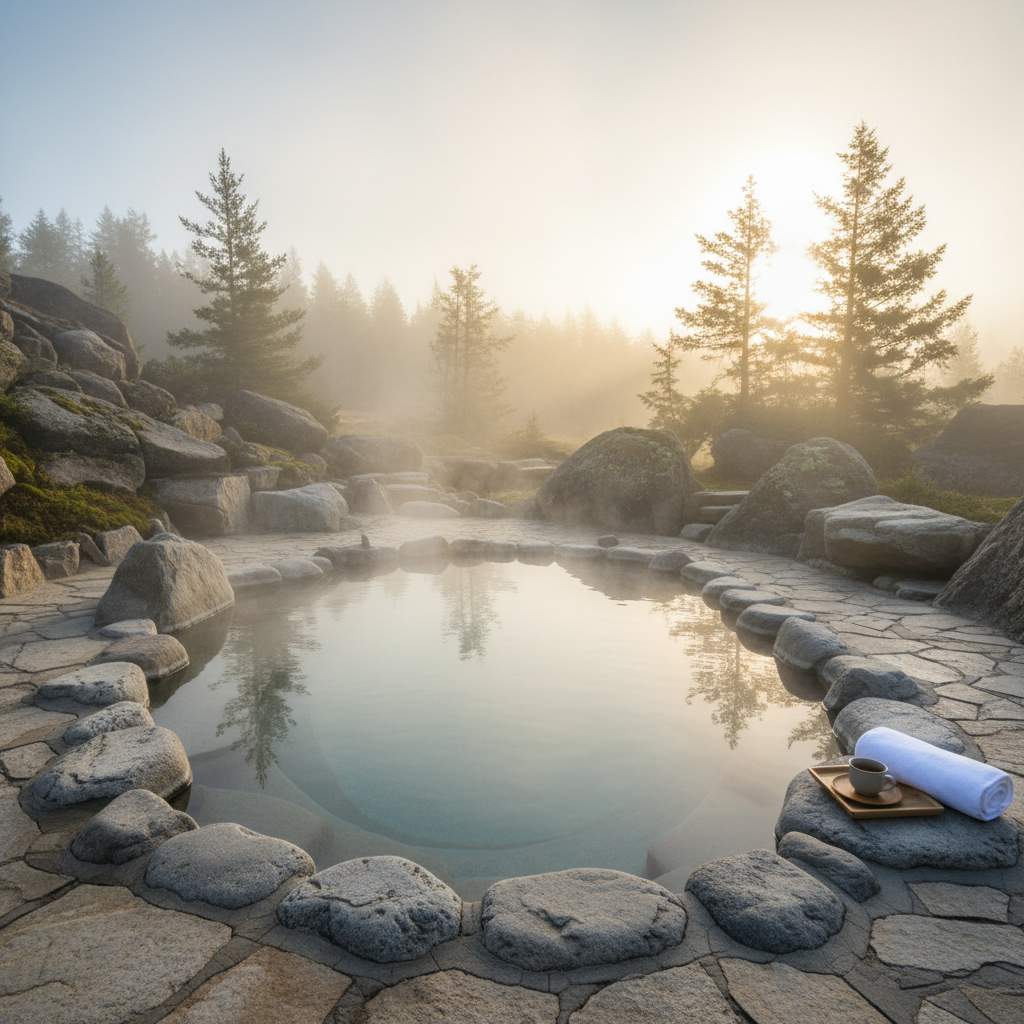
This guide keeps things practical, how to choose the right type of spring, what to pack, how to build a simple soak routine, and when you should skip soaking and ask a clinician, especially if you’re pregnant, have heart conditions, or feel dizzy easily.
Pick the right kind of hot spring (it matters more than people admit)
Most disappointment comes from a mismatch between the spring type and what you wanted out of the trip. Before you book anything, get clear on the setting and the “rules of the water.”
Common hot spring setups you’ll see
- Resort-style pools: easy access, showers, towels, usually family-friendly, sometimes busy and loud.
- Day-use bathhouses/spas: structured etiquette, good facilities, often multiple pools at different temps.
- Backcountry springs: scenic and memorable, but you trade convenience for uncertainty, access, changing conditions.
- Private tubs: higher cost, more quiet, great for couples or anyone who wants low stimulation.
Also check whether the water is naturally flowing or recirculated and treated, both can be fine, but your expectations should match. If you’re sensitive to smell, some mineral-rich springs have a sulfur note that surprises first-timers.
Safety and wellness basics before you soak
Hot water feels “healthy,” but it’s still a stressor on your body. According to CDC, hot tubs and similar warm-water venues can pose health risks when water isn’t properly maintained, and people can also get sick from overheating or dehydration.
Here’s the realistic, non-alarmist approach that works for most travelers.
- Start cooler and shorter: do a first soak that feels almost “too easy,” then add time later.
- Hydrate before and after: bring water even if the facility sells drinks.
- Avoid alcohol before soaking: many people underestimate how fast heat plus alcohol can make them lightheaded.
- Shower first: it’s etiquette in many places and helps keep water cleaner.
If you have chronic conditions, are pregnant, take blood pressure meds, or have a history of fainting, it’s wise to ask your clinician what heat exposure is appropriate. This is especially true for very hot pools, long sessions, or remote springs with no staff.
A quick self-check: what kind of hot spring trip are you actually ready for?
This is the part people skip, then wonder why the “relaxing” weekend feels like a project. Use this checklist to match the trip to your current energy and comfort level.
- If you want deep rest: choose on-site lodging or a short drive, quiet hours, fewer pools, private options if budget allows.
- If you want social + scenic: pick a popular area, accept crowds, go earlier in the day for calmer water.
- If you’re heat-sensitive: look for multiple temperature pools, cold plunge optional, lots of shade.
- If you’re new to soaking: prioritize facilities with clear rules, showers, and staff on-site.
- If you’re going remote: be honest about hiking, road conditions, and cell service.
If two or more items make you hesitate, that’s usually your cue to simplify the plan, shorter travel time, more structure, and fewer “bonus stops.”
Build a simple soak routine (so it feels like wellness, not random)
A good hot spring travel guide doesn’t just say “soak and relax.” Most people feel best with a light rhythm: warm, rest, repeat, then end calm.
A beginner-friendly routine you can copy
- Arrive and downshift: eat something light, drink water, keep your phone away for 20 minutes.
- First soak: 5–10 minutes at a comfortable temp, you should be able to breathe normally and talk.
- Rest: 10–15 minutes out of the water, towel up, let your heart rate settle.
- Second soak: 8–15 minutes if you feel good, stop earlier if you get a headache or nausea.
- Finish easy: warm shower if available, then a slow walk or quiet stretch, not intense workouts.
One honest tip, if you’re chasing “maximum detox” or trying to sweat as much as possible, you often end up dehydrated and cranky. For wellness travel, consistency beats intensity.
What to pack: the small items that prevent big annoyances
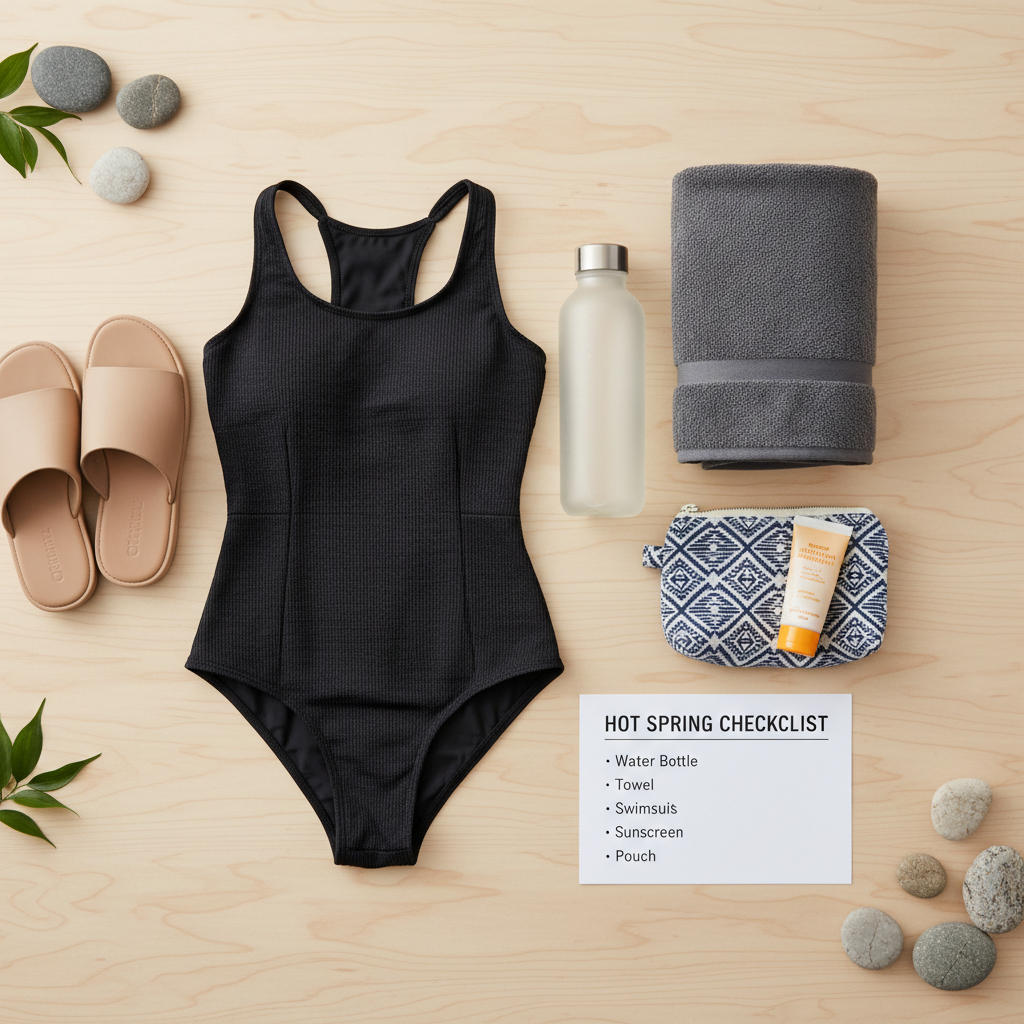
Packing for springs is less about gear and more about comfort and hygiene. Most facilities cover the basics, but having your own set makes the day smoother.
- Quick-dry towel and a backup hair towel
- Water bottle and electrolytes if you tend to cramp
- Sandals with grip for wet surfaces
- Simple skincare: gentle cleanser, moisturizer, and sunscreen if outdoors
- Dry bag for wet swimsuit and a small bag for jewelry
- Layers: you’ll feel colder after soaking than you expect
If you’re heading to rustic or backcountry spots, add a headlamp, trash bag (pack out), and a basic first-aid kit. Many natural sites don’t have bins, toilets, or any real margin for error.
Compare options fast: resort vs bathhouse vs backcountry
Use the table below to decide what fits your version of “wellness” without overthinking it.
| Option | Best for | Trade-offs | What to check before you go |
|---|---|---|---|
| Resort-style pools | Easy first trip, groups, convenience | Can be busy, less quiet | Temperature range, crowd patterns, towel policy |
| Bathhouse/day spa | Structured wellness day, facilities, variety | More rules, sometimes gendered areas | Etiquette, reservation needs, bathing suit vs nude policy |
| Backcountry spring | Scenery, adventure, solitude | Access risk, variable cleanliness, no staff | Road/hike conditions, water depth/temp, Leave No Trace guidance |
| Private tub | Quiet recovery, couples, sensory break | Higher cost, less social | Water source, cleaning practices, cancellation rules |
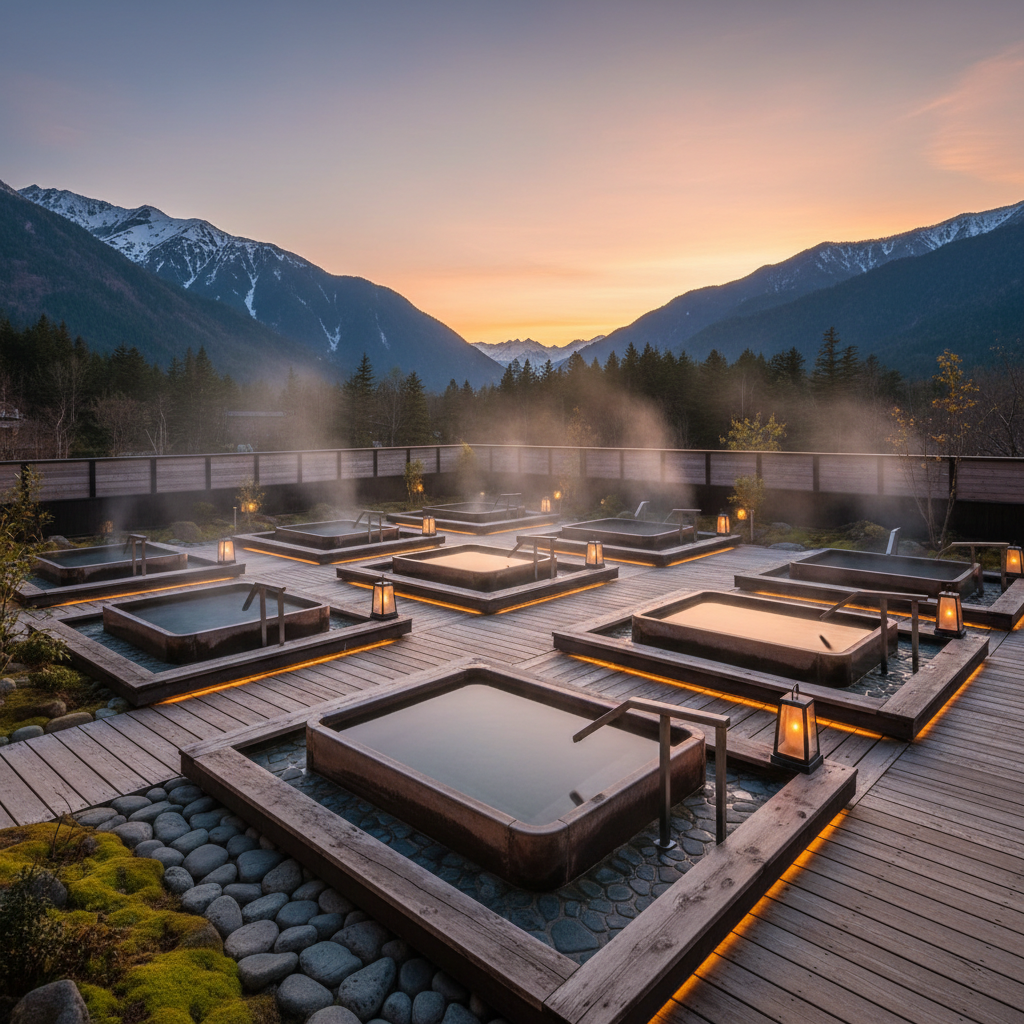
For most US travelers doing a first wellness soak, a clean, well-run facility is the best “starter” choice. You can always go more adventurous later once you know how your body reacts to heat.
Common mistakes that quietly ruin the trip
- Staying in too long because it “feels fine”: overheating can sneak up after you leave the water.
- Scheduling too much: hot springs pair better with open time than a tight itinerary.
- Ignoring etiquette: loud calls, photos near others, or skipping pre-soak rinses can create tension fast.
- Assuming all springs are the same temperature: some are mild, some are genuinely intense.
- Not planning for the after-drop: many people feel chilled and sleepy after soaking, bring layers and avoid long night drives if you’re drowsy.
When to get professional input (or simply skip soaking)
Most people can enjoy hot water safely with moderation, but there are situations where caution makes sense. According to Mayo Clinic, high heat can affect circulation and may not be appropriate for some heart-related conditions.
- If you’re pregnant, trying to conceive, or recently postpartum, ask your clinician about safe temperature and time limits.
- If you have cardiovascular disease, uncontrolled blood pressure, or take meds that affect hydration, get guidance before long sessions.
- If you develop chest pain, severe headache, confusion, or feel faint, exit the water and seek medical help.
- If you have open wounds or active skin infections, many facilities advise waiting until you heal.
And if your “wellness trip” starts to feel like you’re pushing through discomfort to prove something, that’s usually your sign to stop early. A shorter, calmer soak often does more than a heroic session.
Conclusion: make it easy, then make it better
A relaxing hot spring trip usually comes from a few simple choices, pick the right setting, start with short soaks, hydrate, and leave room in the schedule so your nervous system can actually settle. If you only change one thing after reading this hot spring travel guide, let it be the pacing.
Key takeaways: match the spring type to your energy, use a warm-rest-repeat rhythm, and treat safety as part of wellness, not an afterthought. Choose one destination, book the time window that fits your body, and keep the rest of the plan light.
FAQ
How long should I soak in a hot spring if I’m a beginner?
Many beginners do well with 5–10 minutes, then a full rest outside the water. If you feel great, add a second short round rather than extending the first.
What temperature is considered “too hot” for hot spring soaking?
It varies by person and facility, but if you feel short of breath, dizzy, or get a pounding heartbeat, treat that as too hot for you that day and step out. When in doubt, choose the cooler pool.
Do mineral hot springs actually help with stress?
Warm-water soaking often feels calming because heat and quiet can reduce perceived stress, but results differ and it’s not a medical treatment. If you’re managing anxiety or chronic pain, consider it a supportive practice and ask a professional for personalized advice.
Is it safe to visit hot springs alone?
Often yes at staffed facilities, especially if you stay within your limits and keep sessions short. For remote springs, solo trips carry more risk, limited cell service, slippery rocks, and no one to help if you feel faint.
What should I do if I feel lightheaded after soaking?
Get out, sit or lie down somewhere cool, drink water, and take your time. If symptoms persist, worsen, or include chest pain or confusion, seek medical care.
Can I bring my phone into a hot spring area?
Some places allow it, others don’t, and even when allowed it can bother other guests. A good rule is to keep it packed away unless you’re in a clearly private area and the facility permits photos.
How do I choose between a hot spring resort and a natural spring?
If your priority is wellness and predictability, resorts and bathhouses usually win on comfort and safety. If your priority is scenery and solitude, natural springs can be amazing, but plan more carefully.
If you’re planning a wellness weekend and want a more tailored hot spring travel guide style plan, destination type, packing list, and a realistic soak schedule based on your trip length, share your region, budget range, and whether you prefer quiet or social settings, and I can help you narrow it down quickly.