
Mountain travel destinations are easy to romanticize and surprisingly easy to misbook, especially when “iconic views” turn into crowded trailheads, surprise storms, or drives that feel longer than the whole vacation.
This guide is built for nature lovers who care about scenery, quiet moments, and realistic logistics, not just a list of pretty names. You’ll get a quick way to match destinations to your fitness level and travel style, plus planning steps that keep the trip fun instead of stressful.
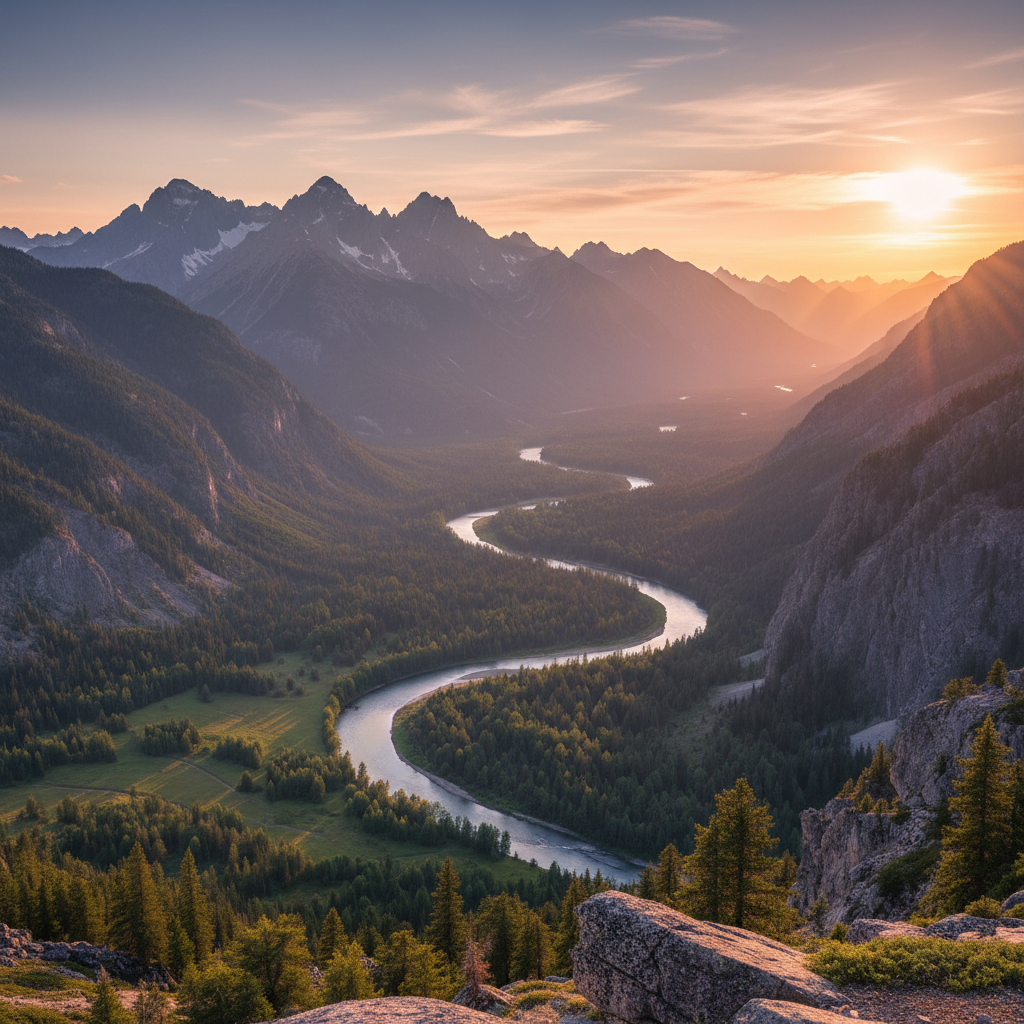
I’ll also call out common “gotchas” like altitude, seasonal closures, and what “easy hike” can mean in different parks. No shame in choosing the comfortable option, the best trips are the ones you actually enjoy.
How to Choose Mountain Travel Destinations That Fit You
Before you fall in love with a photo, pick a destination that matches your tolerance for driving, crowds, and weather risk. A little self-honesty here saves a lot of money later.
- Time window: A long weekend favors drive-to ranges near major airports, a full week opens up larger loops and deeper valleys.
- Effort level: Some places reward short walks, others feel “flat” unless you hike above treeline.
- Comfort needs: Lodges and easy viewpoints exist in most regions, but last-minute availability varies a lot by season.
- Wildlife expectations: If you want moose, bears, or mountain goats, pick areas known for them and travel at the right time of day.
Key takeaway: Choose the “right” mountains for your trip constraints first, then pick the specific park or town.
Beautiful Mountain Regions Nature Lovers Keep Coming Back To
These are dependable picks for Americans who want big scenery and solid visitor infrastructure, with options across comfort levels. They’re not the only choices, just the ones that tend to deliver without needing expert planning.
Rocky Mountains (Colorado, Wyoming, Montana)
Think dramatic peaks, alpine lakes, and iconic wildlife. Colorado gives you easy access and mountain towns, Wyoming and Montana lean bigger and wilder.
- Best for: Classic high-elevation scenery, mixed itineraries (drives + short hikes)
- Watch for: Afternoon thunderstorms in summer, altitude effects
According to National Park Service guidance, weather and conditions can change quickly in mountain parks, so checking official alerts before you drive out is a habit worth keeping.
Sierra Nevada (California)
Granite landscapes, deep valleys, and that “clean” high-country feel. It’s a strong choice if you want big views plus good shoulder-season possibilities.
- Best for: Big vistas, photography, mix of day hikes and scenic roads
- Watch for: Fire season impacts and occasional road closures
Cascades (Washington, Oregon)
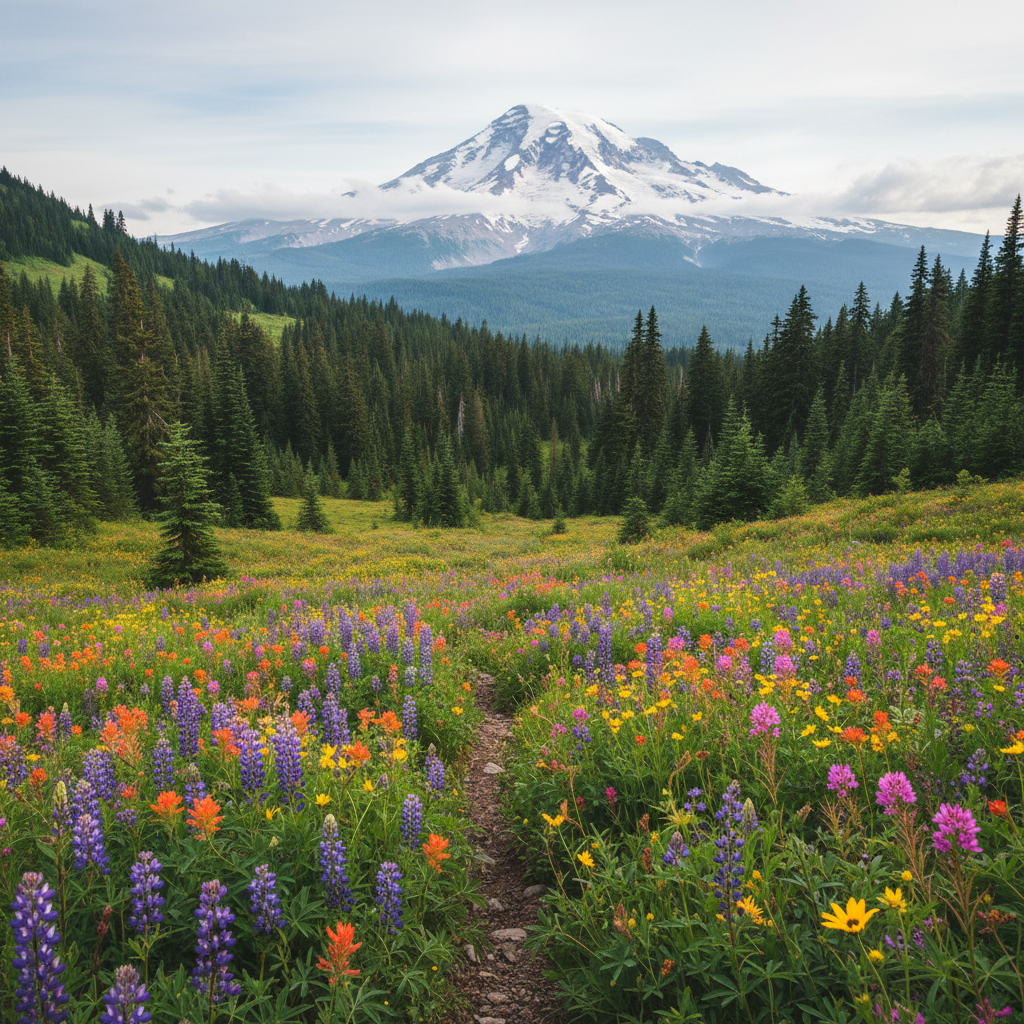
Volcano silhouettes, wildflower meadows, and moody forests. If you like water, you’ll usually find lakes, rivers, and waterfalls close to trailheads.
- Best for: Dramatic variety in a compact area, cooler summer temps
- Watch for: Marine layers and fast-changing visibility
Appalachians (North Carolina, Tennessee, Virginia, New England)
Less “spiky” than the West, but incredibly lush, scenic, and approachable. It’s also one of the easiest ways to get mountain views without committing to extreme elevation.
- Best for: Fall color, scenic drives, moderate hikes
- Watch for: Fog and slick trails after rain
Quick Decision Table: Where to Go Based on Your Style
If you’re torn between regions, use this as a fast filter. It’s not a ranking, just a practical map to reduce decision fatigue.
| Travel style | Good fit | Why it works |
|---|---|---|
| Scenic drives + short walks | Rockies, Appalachians | Lots of overlooks and easy-access viewpoints |
| Photography-focused | Sierra Nevada, Cascades | Strong light, dramatic landforms, varied textures |
| Wildlife spotting | Rockies (esp. Northern ranges) | Higher odds in certain valleys and dawn/dusk windows |
| Cooler summer escape | Cascades, higher Rockies towns | Moderate temps, forest shade, water nearby |
| Fall color road trip | Appalachians, New England highlands | Peak foliage culture and scenic parkways |
A Simple Self-Check: Are You Set Up for a Mountain Trip?
Mountain trips go best when expectations match reality. Run through this list, it takes two minutes and usually reveals the real constraint.
- Altitude: If you’re sensitive to elevation, you may prefer lower ranges or a slower first day. According to CDC, travelers can reduce altitude illness risk by ascending gradually and allowing time to acclimatize; if you have medical concerns, it’s smart to ask a clinician.
- Driving comfort: If steep switchbacks stress you out, prioritize places with scenic roads that feel more “highway” than “cliff edge.”
- Trail confidence: Are you fine with uneven rock, or do you want maintained paths and boardwalks?
- Weather flexibility: Can you swap a hike day for a museum or hot springs if storms roll in?
- Budget reality: In many mountain towns, weekends can price-jump fast, shifting to weekdays often helps.
If two or more items feel shaky, aim for a destination with strong infrastructure: visitor centers, clear trail signage, and plenty of “Plan B” activities.
Practical Planning Steps (That Actually Prevent Regret)
Here’s the part most people skip: mountains punish vague plans. Not because you need a strict schedule, but because permits, roads, and weather can force hard pivots.
1) Lock your season before you lock your lodging
Wildflowers, fall color, and clear alpine roads don’t overlap as often as Instagram suggests. Pick the experience you want, then choose the week.
2) Build a “two-layer itinerary”
- Layer A: 1–2 anchor experiences per day (a main viewpoint, a lake, a scenic drive segment).
- Layer B: Backup options nearby (short trails, museums, town strolls) for smoke, storms, or fatigue.
3) Aim for early trailheads, not heroic distances
In many popular mountain travel destinations, the best “crowd control” move is simply starting earlier. You’ll also catch better light and calmer winds.
4) Use official sources for closures and alerts
According to National Weather Service, mountain weather can shift quickly and thunderstorm risk often rises later in the day, so checking the forecast close to departure helps you pick safer start times.
Safety, Etiquette, and Common Mistakes (Small Things, Big Impact)
This is where trips quietly go sideways, not because people are reckless, but because mountains have different rules than city travel.
- Underestimating temperature swings: A warm trailhead can still mean cold wind at viewpoints, pack a layer even on “nice” days.
- Ignoring trail turnaround time: Pick a time to turn back, then honor it, especially if storms build.
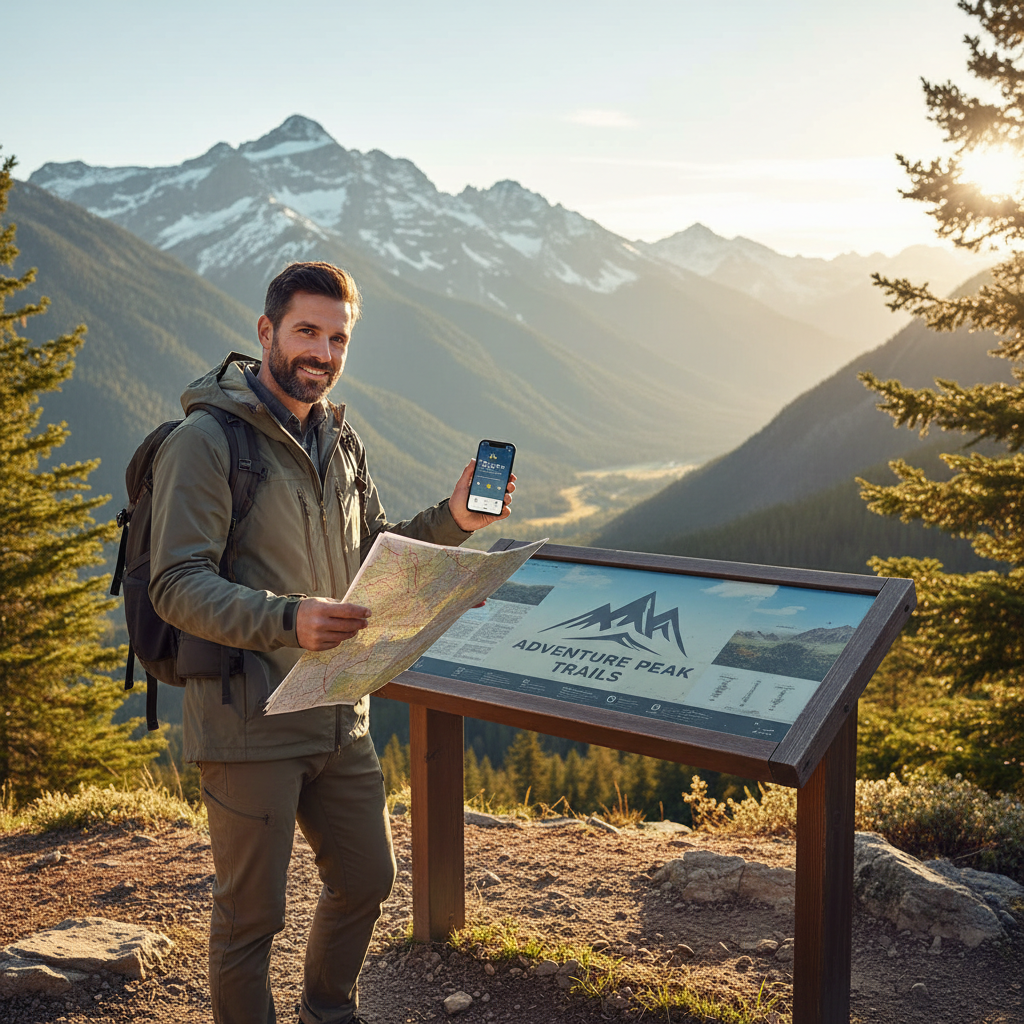
- Confusing “no service” with “no problem”: Download maps offline and share a basic plan with someone.
- Feeding wildlife: It changes animal behavior and can create dangerous patterns. Stick to distance and local rules.
- Overpacking the schedule: Scenic drives take longer than expected, you stop more, you want photos, and that’s the point.
If you’re traveling with kids, older family members, or anyone with asthma or heart conditions, altitude and exertion can affect people differently, in those cases a conservative pace and medical guidance may be appropriate.
Putting It Together: Sample 3-Day Itinerary Template
If you want a plug-and-play structure you can adapt to almost any region, this format stays realistic without feeling cramped.
- Day 1 (Arrival + reset): Scenic drive, visitor center, one easy sunset viewpoint.
- Day 2 (Main nature day): Early start hike, long lunch, optional lake loop or waterfall stop.
- Day 3 (Flexible closeout): Short morning walk, local town or hot springs, travel home with buffer time.
Key point: Even in top mountain travel destinations, your best memories often come from leaving space for weather, wildlife, and random roadside stops.
Conclusion: Choose Fewer Places, See More Nature
When you’re planning around mountains, the smartest move is often to pick one strong base and explore outward, rather than hopping every night. You’ll spend less time in the car and more time in the landscapes you came for.
If you do one thing next, make it this: pick your season and your comfort level, then choose the region that matches, everything else becomes a lot simpler from there.
FAQ
What are the best mountain travel destinations for beginners who don’t hike much?
Look for areas with scenic drives, paved overlooks, and short interpretive trails, many Rocky Mountain and Appalachian parks fit that mold. You still get big views without making the trip dependent on long mileage.
When is the best time to visit mountain regions in the U.S.?
It depends on what you want: summer tends to offer the most open roads at higher elevations, fall brings color in many ranges, and spring can be beautiful but unpredictable. If you’re flexible, shoulder seasons can feel calmer and more affordable.
How do I avoid crowds at popular mountain spots?
Start early, visit midweek when possible, and choose “secondary” trailheads near famous viewpoints. Another trick that works: stay a little farther from the main gate, then drive in early.
Do I need a permit or reservation for national parks and hikes?
Many parks use timed entry, parking reservations, or permit systems in peak seasons, but policies change. Check the official park site before you finalize lodging so you don’t get stuck outside the gate.
What should I pack for a mountain day trip?
Bring water, snacks, a warm layer, sun protection, and offline navigation. Even on short outings, weather shifts and limited cell service are common, so a little redundancy makes the day feel easier.
Is altitude sickness something I should worry about in the Rockies?
It can be, especially if you fly in and go straight to higher elevation activities. Many people do fine with hydration and a slower first day, but symptoms can vary, if you have health risks or severe symptoms, get medical advice.
How do I pick between the Sierra Nevada and the Cascades?
If you want granite drama and big valley views, the Sierra often scratches that itch. If you want volcano scenery, waterfalls, and cooler forest hikes, the Cascades are a strong fit.
If you’re planning mountain travel destinations for a specific month and you’d rather not juggle closures, permits, and “is this road even open” questions, a lightweight itinerary outline built around your dates and comfort level can save time while keeping the trip flexible.