
fall travel destinations scenic enough for real foliage moments usually come down to two things, timing and terrain, and most trips go sideways when people guess on both.
If you have ever arrived to a “leaf-peeping town” and found mostly green trees or bare branches, you already know the pain, you spent money, burned vacation days, and came home with photos that look like any other weekend drive.
This guide narrows the choices to places that reliably look good in fall, plus the practical stuff that actually matters: when to go, what kind of route to plan, where crowds hit hardest, and how to keep the trip fun even if peak color shifts a week.
How to pick a foliage destination without guessing
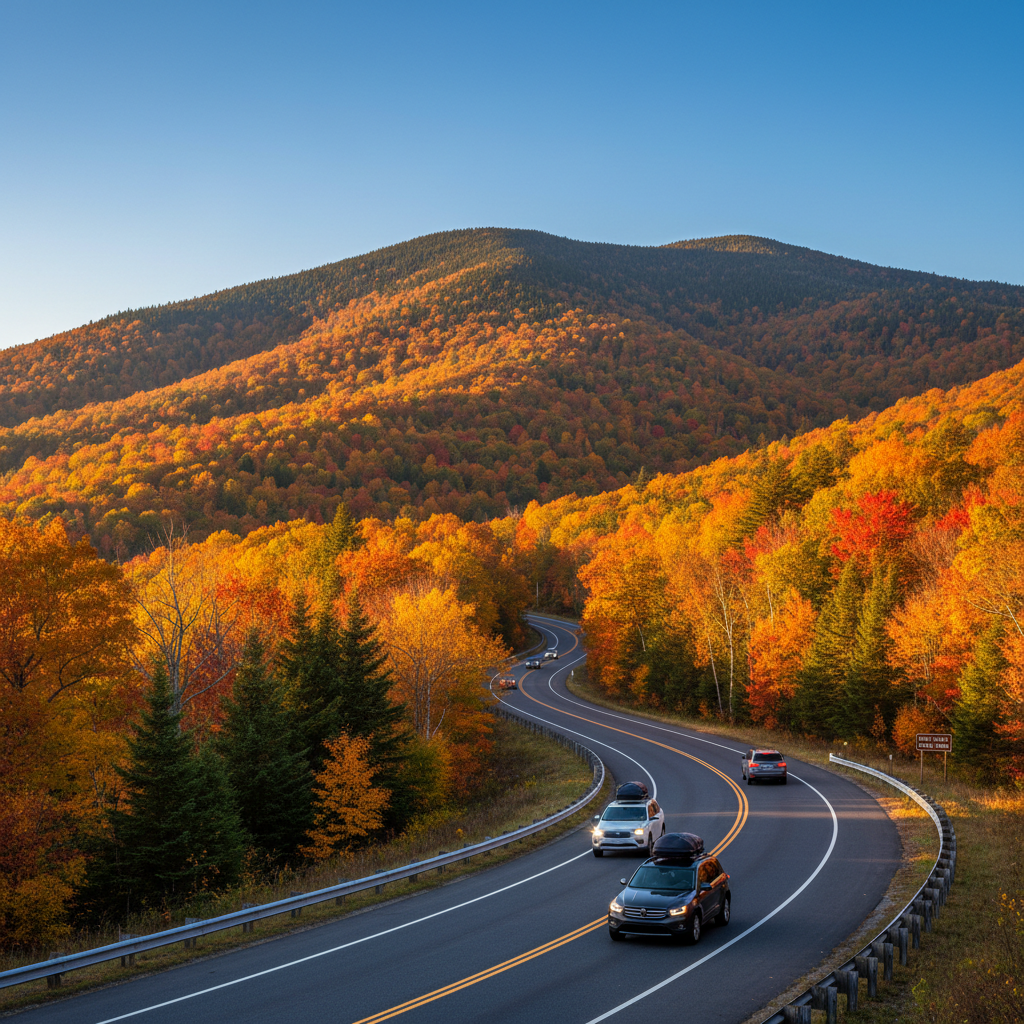
The fastest way to choose fall travel destinations scenic for your taste is to decide what “good foliage” means to you, mountain panoramas feel different from lake reflections, and coastal drives look different from forest trails.
- Terrain = your visual payoff: mountains give layered color bands, lakes add mirror reflections, rolling hills feel softer and more pastoral.
- Trip style = your logistics: road trip loops are flexible, rail trips reduce driving stress, basecamp stays work best in walkable towns.
- Altitude and latitude shift timing: higher and farther north usually changes earlier, valleys and southern areas often change later.
- Weekday vs weekend: if you hate crowds, build the plan around Monday to Thursday and save scenic pull-offs for mornings.
According to the U.S. Forest Service, fall color timing can vary year to year based on weather patterns, so a plan that can flex by a few days tends to beat a plan that requires “the perfect weekend.”
Scenic fall travel destinations in New England (classic, but plan smart)
If you want the postcard version of fall travel destinations scenic drives, Vermont, New Hampshire, and western Massachusetts still deliver, just expect higher prices and heavier traffic during peak weeks.
Where it shines
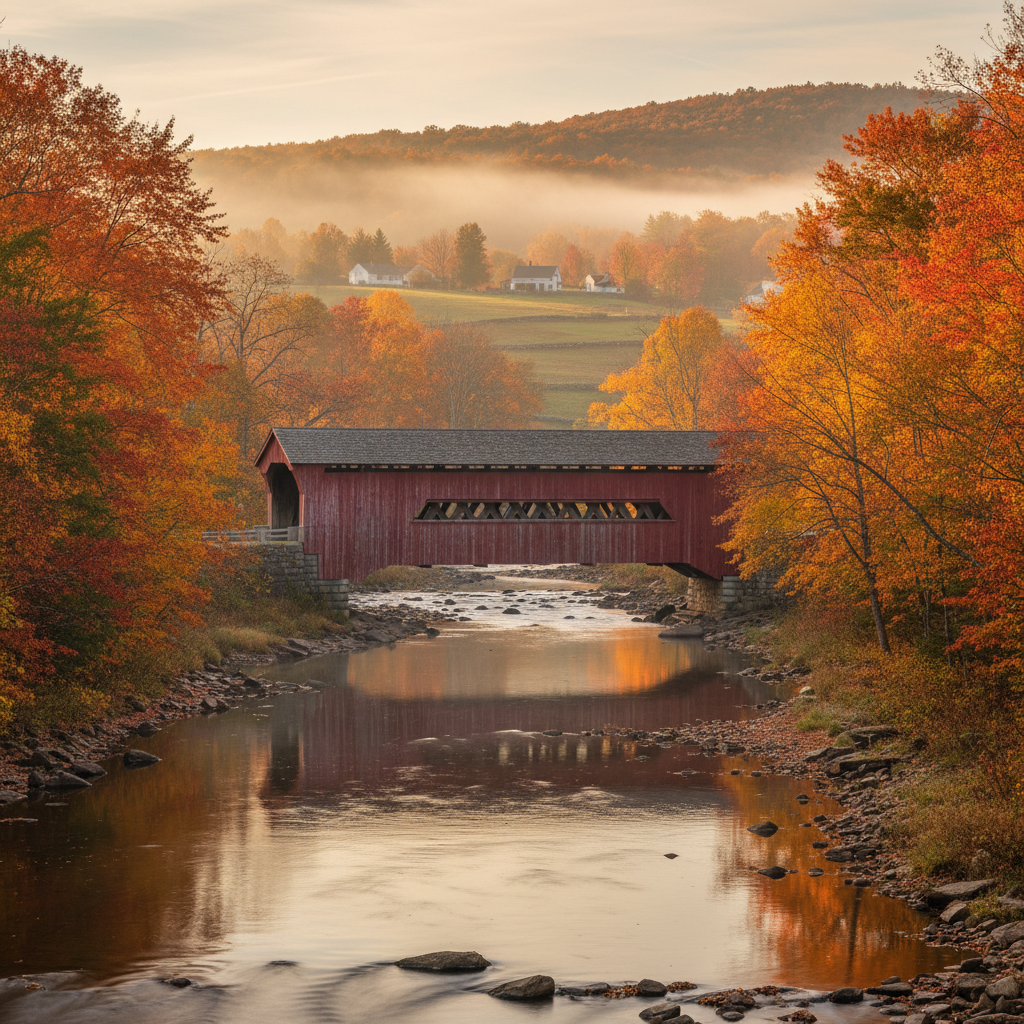
- Vermont: Route 100 corridor for small towns, covered bridges, and steady color.
- New Hampshire: Kancamagus Highway for big views and easy pull-offs, White Mountains for hiking.
- Massachusetts: The Berkshires for a calmer pace, plus culture, food, and inns.
For timing, many travelers watch state tourism foliage updates and local park reports rather than relying on one national map, because microclimates can make one valley glow while the next ridge stays green.
The Appalachian and Blue Ridge region (high impact, easy access)
For many East Coast travelers, the Blue Ridge Parkway is the most “effort-to-reward” friendly answer to fall travel destinations scenic views, because the overlooks do the work for you.
Good bets
- Asheville area (NC): breweries, arts, and day drives that still feel wild.
- Shenandoah National Park (VA): Skyline Drive for a clean, linear route with frequent viewpoints.
- Great Smoky Mountains (TN/NC): huge tree diversity, which can mean longer-lasting color waves.
One reality check, parkways and national parks can bottleneck quickly on weekends, so if you can only travel Saturday and Sunday, pick a short section, start early, and plan a midday “off-road” break in a town.
Rocky Mountain states (big skies, fast-changing peaks)
Colorado and nearby Rocky Mountain regions can feel almost unreal in fall, especially when aspens turn and you get that bright gold against dark evergreens.
What to know before you book
- Aspen-focused color can be early: high elevations may shift quickly, and storms can end peak color overnight.
- Altitude is real: if you are sensitive, take it slow on day one, hydrate, and consider checking with a medical professional if you have health concerns.
- Scenic drives vary by comfort level: some routes are mellow, others include narrow roads and big drop-offs, choose what fits your driving confidence.
Many travelers build a “Plan B valley day” for coffee shops, hot springs, or museums, because mountain weather can force you to pivot even when the foliage looks perfect on paper.
Pacific Northwest (moody fall color with water and evergreens)
If your ideal fall travel destinations scenic vibe includes misty mornings, rivers, and dark green backdrops, the Pacific Northwest is a strong pick, even though the palette often leans more subtle than New England.
Where to focus
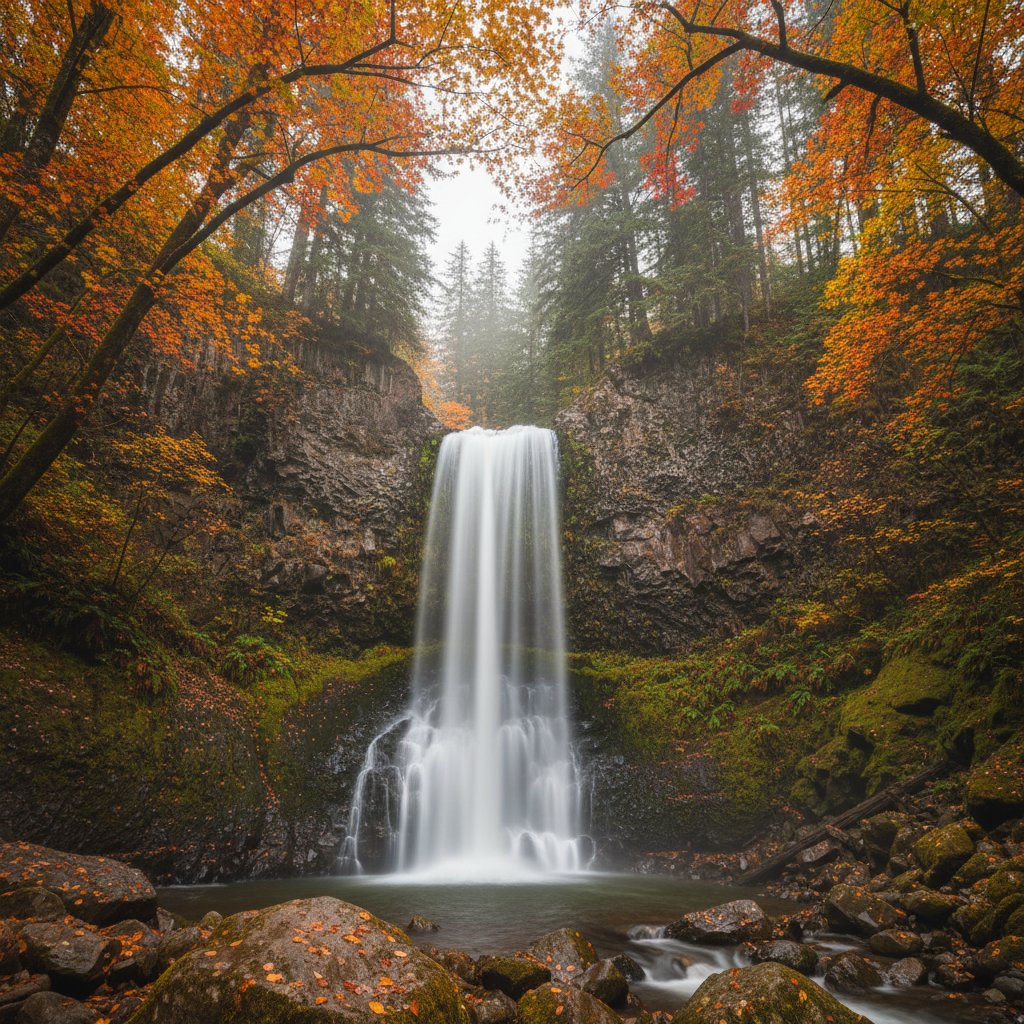
- Columbia River Gorge (OR): waterfalls plus color, with quick access from Portland.
- Olympic Peninsula (WA): rainforests, lakes, and shoulder-season quiet in many areas.
- Mount Rainier area (WA): meadows and alpine scenes, timing depends heavily on elevation.
According to the National Park Service, conditions and closures can change with weather, so it is worth checking alerts before you drive long distances for one trailhead or overlook.
Quick comparison table: match a region to your travel style
When people ask for fall travel destinations scenic enough to feel “worth it,” they usually mean one of these combinations, big views, easy logistics, low crowds, or a little of each.
| Region | Best for | Crowds | Trip style that fits |
|---|---|---|---|
| New England | Classic small towns, saturated color | High at peak | Basecamp + day drives |
| Blue Ridge / Appalachians | Overlooks, easy scenic routes | Medium to high | Point-to-point road trip |
| Rocky Mountains | Aspens, dramatic mountain contrast | Medium | Short loops + altitude buffer days |
| Pacific Northwest | Waterfalls, moody forests | Medium | Day trips from a city hub |
Practical planning: timing, routes, lodging, and photos
Good foliage trips feel effortless in hindsight, but the planning is usually very intentional, especially around timing and where you sleep.
A simple timing checklist
- Pick a 10–14 day window, not one date: give yourself wiggle room for peak color shifts.
- Track elevation: plan one higher day and one lower day, so you still catch color if one zone changes early.
- Use local sources: state park updates, local trail groups, and town webcams often beat generic maps.
Route building that actually works
- Start with one “spine” road: a main scenic byway, then add short detours for bridges, lakes, and hikes.
- Limit driving hours: foliage fatigue is real, 3 to 5 hours of driving per day usually feels better than 7.
- Plan for parking: popular overlooks fill early, arriving before 9 a.m. often changes the whole experience.
Small photo tips that make a big difference
- Chase soft light: early morning and late afternoon give richer color and fewer harsh shadows.
- Put something in the frame: a fence line, a bridge, a person, or a lake edge makes the scene feel less flat.
- Do not over-saturate: phones love to push color, but natural tones usually look more believable.
Common mistakes (and what to do instead)
Most disappointment comes from a few predictable moves, and they are easy to fix once you notice them.
- Mistake: booking the hottest town at peak weekend, then spending half the day in traffic. Better: stay 30 to 60 minutes outside and drive in early.
- Mistake: treating a foliage map like a guarantee. Better: plan two nearby areas at different elevations.
- Mistake: packing every day with “must-see” stops. Better: build one anchor per day, then let the road decide the rest.
- Mistake: ignoring weather and closures. Better: check official park and DOT updates the night before.
Key takeaways before you book
- Flexibility beats precision: choose a window and a region, not a single “peak day.”
- Match scenery to trip style: mountain overlooks, lake towns, or coastal forests all feel different.
- Crowds are part of the math: weekdays and early mornings make popular areas feel calmer.
- Have a Plan B: weather and timing shifts happen, and the best trips roll with it.
Conclusion: make your foliage trip feel like a win
The best fall travel destinations scenic enough to wow you are not always the most famous ones, they are the ones that fit your timing, your driving tolerance, and the kind of views you actually like.
Pick one region, give yourself a flexible window, and build a route with breathing room, then you can spend more time outside and less time refreshing maps in a parking lot.
FAQ
What are the best fall travel destinations scenic for a long weekend?
Look for a compact region with a single main byway and multiple short detours, like the Blue Ridge area near Asheville or the Berkshires, you get variety without spending the whole trip in the car.
How far in advance should I book a foliage trip?
In popular areas, lodging often tightens early for peak weeks, so booking a refundable option can help, it gives you a safety valve if color shifts or prices drop closer in.
Are foliage prediction maps accurate?
They are directionally helpful, not a promise, a cold snap or warm stretch can move timing, so pairing maps with local reports and elevation planning usually works better.
Which region has fewer crowds in fall?
Crowds vary by town more than by state, many smaller communities just outside headline destinations stay calmer, and traveling midweek changes the feel almost anywhere.
Can I see great fall color without hiking?
Yes, scenic byways and overlooks do a lot of the heavy lifting, especially in the Appalachians and parts of New England, just plan earlier starts for parking and cleaner views.
What should I pack for a fall road trip?
Layers matter more than brand names, think a light insulated jacket, rain shell, comfortable shoes, and a thermos, plus a basic car kit if you will drive rural roads.
Is it safe to drive mountain roads in fall?
Often yes, but conditions can change fast with fog, rain, or early snow at elevation, check forecasts, avoid pushing tired night drives, and choose routes that match your comfort level.
If you want a simpler way to plan
If you are trying to pick fall travel destinations scenic enough for your photos but do not want to juggle timing, routes, and backup options, it can help to start from a short list tailored to your dates and driving style, then refine lodging and day plans from there.