
City break travel guide planning is really about one thing: making a short trip feel complete instead of cramped, even when you only have a weekend and a couple PTO days to work with.
If you have ever landed Friday night and realized you lost an hour just figuring out where to eat, that is the pain point this format solves, tight choices up front so you spend more time doing and less time deciding.
Below you will get a practical way to choose the right city, book the right neighborhood, build a realistic 36–72 hour plan, and avoid the common “I did everything, but remember nothing” trap.
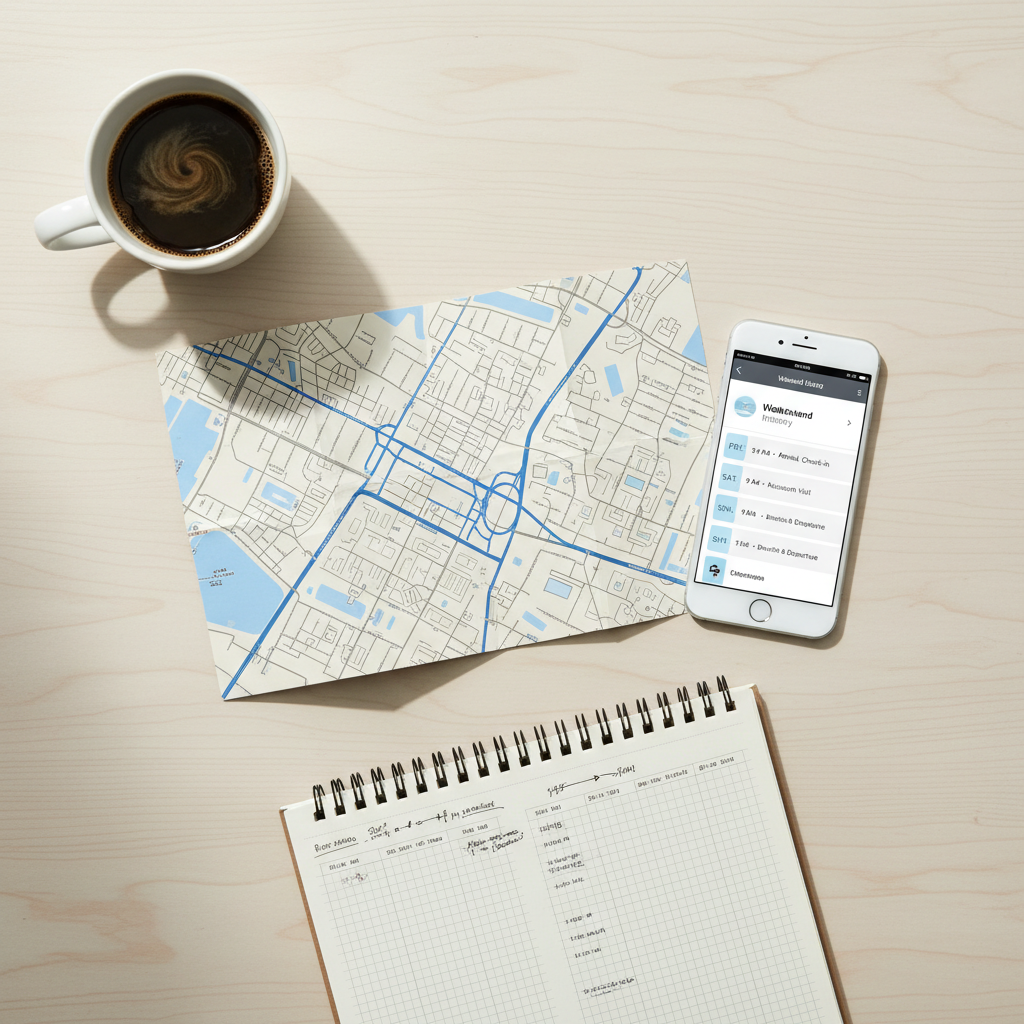
Pick the right city for a quick trip (the “energy-to-effort” test)
For short breaks, the best destination is usually the one with the highest reward per hour of logistics, not the one with the longest must-see list. A city with a strong core neighborhood often beats a sprawling metro where you spend half the weekend in transit.
A fast way to choose
- Flight time or drive time: many travelers stay happier under 3 hours each way for a 2–3 day trip, because travel fatigue eats your first morning.
- One “anchor” experience: pick one thing you would be genuinely excited about even if the rest goes sideways, a show, museum, food scene, game, or waterfront walk.
- Compact neighborhoods: you want clusters, not scattered points.
- Weather tolerance: if rain would ruin your plan, you need better indoor backups.
According to the U.S. Department of State, travelers should review destination safety information and local conditions before travel, especially when schedules are tight and you have fewer buffer days.
Build a simple, realistic itinerary for 36–72 hours
A short itinerary works when it has structure, but not so much structure that one delay collapses everything. The sweet spot is a “spine” of 2–3 priority blocks per day, plus flexible filler nearby.
The weekend spine (template you can copy)
- Arrival night: one neighborhood dinner + one low-effort walk or bar, then sleep.
- Day 1 morning: your top attraction early, before crowds.
- Day 1 afternoon: one long meal or market, then a second attraction within 15–25 minutes.
- Day 1 evening: reservation activity, show, or “food plan,” no bouncing between far-apart spots.
- Day 2 morning: local ritual, cafe, park, bookstore, waterfront, something that makes the city feel like itself.
- Day 2 midday: one last highlight near your checkout or transit hub.
Here is the part people resist: you can do fewer things and remember more. If your plan includes three major museums in a day, it might look impressive, but it often feels like work by hour six.
Where to stay: choose a base that protects your time
Hotel location is the quiet “make or break” variable on a city break. Saving $35 a night can cost you two rideshares, missed reservations, and that low-grade stress that follows you all weekend.

Quick location checklist
- Walkability: can you reach coffee, dinner, and one attraction without transit?
- Transit access: one reliable line to most places beats three transfers.
- Late-night safety and lighting: look at street-level context, not just a pin on a map.
- Noise risk: nightlife streets feel fun until 2 a.m. when you want sleep.
If your trip is mostly about food and wandering, pick the neighborhood with the densest restaurant options. If it is mostly about museums and shows, prioritize that corridor instead. One base, fewer commutes.
What to book early vs. keep flexible (a decision table)
This is where a city break travel guide earns its keep: booking the right two things early so you are not stuck waiting in lines, while leaving enough open time to be spontaneous.
Booking priorities table
| Trip element | Book early? | Why it matters on a short trip |
|---|---|---|
| Flights / train | Usually yes | Arrival time controls your usable hours more than anything else |
| Hotel in a central area | Yes | Good locations sell out, and switching bases wastes time |
| One “anchor” reservation (show, tasting menu) | Yes | Prevents the Saturday-night scramble |
| Top museum / timed entry attraction | Often | Timed tickets can save an hour of waiting |
| Everything else | No | Flex time helps you absorb surprises, weather, and mood |
According to the National Park Service, planning ahead and checking reservation requirements can be important for popular sites, which applies even more when you only have one shot to visit.
Pack and move like a minimalist (without feeling unprepared)
Overpacking is a sneaky time thief. Not because the suitcase is heavy, but because it complicates your arrival, your morning routine, and your checkout. For many weekend trips, a carry-on plus a personal item is enough.
Micro packing list for city breaks
- Two-shoe rule: one comfortable walking pair, one optional nicer pair if your plans truly require it.
- One outer layer that works: a light jacket or rain shell, depending on forecast.
- Day bag: small crossbody or backpack that stays comfortable for 6–8 hours.
- Power basics: compact charger and cable, plus a backup if your phone is your map, wallet, and ticket.
- Health items: any personal meds, and basics you know you might need. If you have specific medical concerns, it may be wise to consult a clinician before travel.
One more practical move: pack an “arrival kit” on top, deodorant, toothbrush, fresh shirt, so you can reset fast after transit and go straight to dinner.
Common mistakes that make quick trips feel stressful
Most short trips do not fail because the city is boring, they fail because the plan fights the clock. A few predictable mistakes show up again and again.
- Trying to cover multiple districts in one day: you end up seeing transit maps more than the city.
- Skipping reservations entirely: you “keep it flexible” and then wait 90 minutes for a table.
- Choosing a hotel for price only: the commute cost shows up later, in time and mood.
- No weather fallback: one rainy afternoon can wipe out half your plan.
- Saving the best thing for the last day: delays happen, and you lose your highlight.

A quick self-check before you finalize plans
- Is there one day with too many “must-dos” stacked back-to-back?
- Do you have at least one low-key block for wandering or resting?
- Are your top two priorities scheduled before your final morning?
- Can you explain your transit plan in one sentence, or is it already messy?
Practical 48-hour sample plan (adjustable)
If you want something concrete, here is a 48-hour outline that fits many U.S. city weekends. Swap the attractions for your destination, keep the timing logic.
Day 0 (Friday night)
- Check in, quick reset
- Dinner within walking distance
- One scenic loop: waterfront, main square, or signature street
Day 1 (Saturday)
- 8:30–11:30: top attraction or neighborhood tour
- 12:00–14:00: long lunch or market crawl
- 14:30–17:00: second attraction nearby, keep it lighter
- 19:00: your one “anchor” reservation
Day 2 (Sunday)
- 9:00–10:30: local ritual, cafe, bookstore, park
- 11:00–13:00: last highlight close to your departure route
- Head out with time to spare, no sprinting through terminals
Key takeaway: the plan protects mornings for highlights, evenings for reservations, and leaves the middle flexible enough for real life.
Conclusion: make the trip small on purpose, not by accident
A good city break travel guide does not push you to do more, it helps you choose better. When you pick a compact base, lock in one or two high-value bookings, and keep your schedule breathable, a quick trip can feel surprisingly rich.
If you plan something this week, start with two actions: choose your anchor experience, then pick a hotel location that minimizes backtracking. Everything else gets easier from there.
FAQ
How far in advance should I plan a weekend city break?
For many U.S. cities, 2–6 weeks is a comfortable window for decent flight times and solid hotel locations, but popular event weekends can require more lead time.
What is the biggest mistake people make on quick city trips?
Trying to “see the whole city.” On a short schedule, it is usually smarter to go deeper in one or two areas and let the rest go.
How do I choose between staying downtown or in a trendy neighborhood?
If your itinerary is attraction-heavy, downtown convenience often wins. If your trip is about food, cafes, and wandering, a lively neighborhood can feel more personal, as long as transit stays simple.
Is it worth renting a car for a city break?
Often no for dense cities, because parking and traffic can drain time. It can make sense when your plans include day trips or areas poorly served by transit.
How do I plan around bad weather without over-scheduling?
Pick two indoor backups near your main neighborhood, a museum, food hall, or gallery cluster, then decide day-of based on forecast.
Can I do a city break with kids and still keep it relaxing?
Yes, but the pace usually needs fewer stops and more playground or downtime blocks. It also helps to stay closer to the places you will visit most.
What should I prioritize if it is my first time in that city?
A signature area plus one iconic attraction tends to deliver the “I was really there” feeling, especially when you add a local meal and an unhurried walk.
If you are planning a quick getaway and want a more streamlined approach, it can help to start from a ready-made weekend framework and then swap in your city’s neighborhoods, reservations, and transit options, the goal is less planning friction and more time on the ground.