
Cold flu medicine travel pack decisions usually happen at the worst time, you’re already congested, you’re in a hotel room, and the nearest pharmacy feels far away. A small, well-chosen kit can keep a minor cold from ruining a work trip, a family visit, or a long flight.
The trick is not stuffing a pouch with random pills, it’s packing the right categories, in the right formats, with labels you can trust. Over-the-counter options can help with comfort, but they also come with limits, especially if you have health conditions, take prescriptions, or travel with kids.
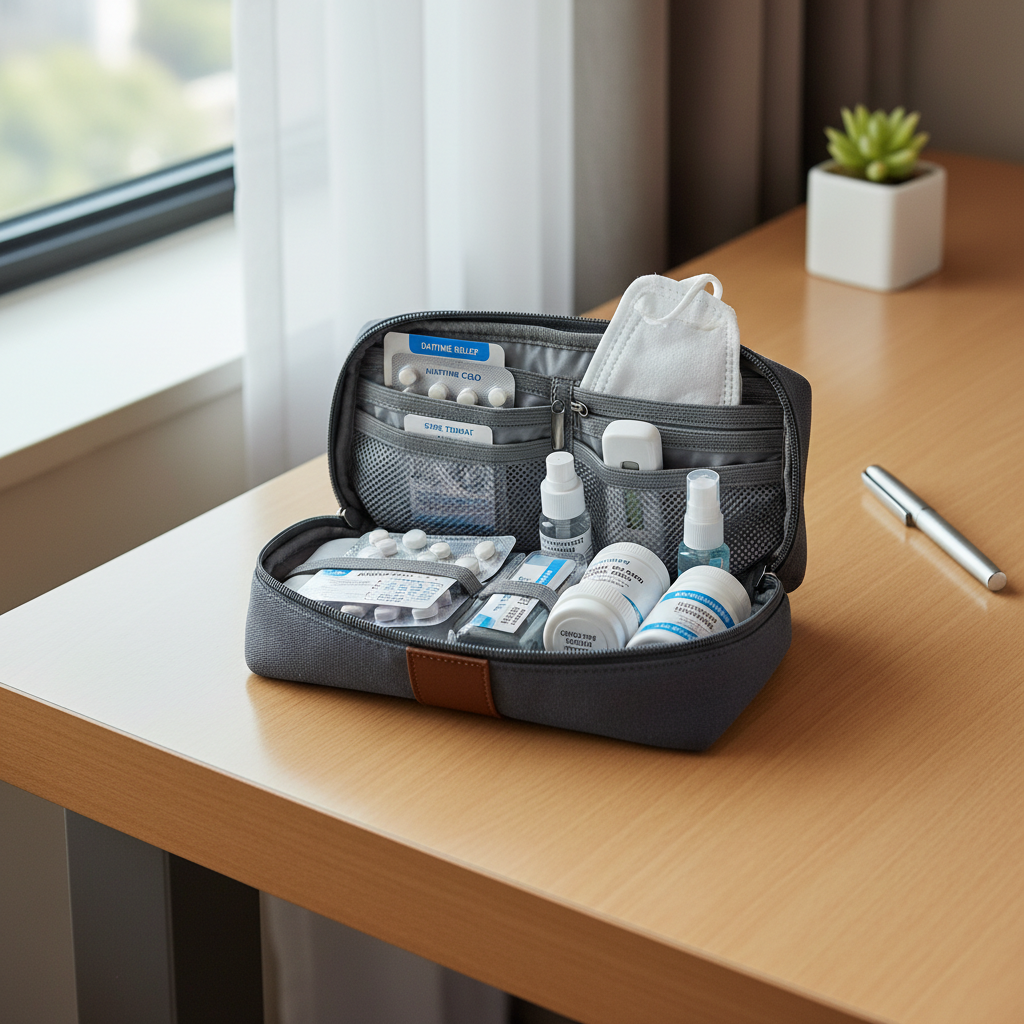
This guide breaks down what to include, what to skip, and how to tailor a kit for flying, road trips, or emergency storage. I’ll also flag common ingredient overlaps that cause accidental double-dosing, because that mistake is more common than people think.
What a “travel pack” should actually solve
A good kit is less about having a pharmacy on hand and more about covering the most likely, most annoying scenarios with minimal bulk. In real life, travelers tend to run into the same problems.
- Symptom relief when you can’t rest: congestion on a flight, a cough during meetings, fever overnight.
- Limited access: stores closed, unfamiliar brands, or you can’t leave the room.
- Safer choices under stress: clear labels so you don’t mix the same ingredient twice.
- Travel constraints: TSA liquids rules, heat in a car, humidity in a beach bag.
One more point that’s easy to miss, “cold and flu” labels are marketing, not a medical category. Many combo products bundle multiple drugs, which can be convenient, but also increases the chance you take something you don’t need.
Cold vs. flu vs. allergies: quick reality check before you medicate
Before you reach for your cold flu medicine travel pack, it helps to sanity-check what you’re treating. Symptom overlap is real, but a few patterns are useful.
Common patterns
- Cold: gradual onset, runny or stuffy nose, sore throat, mild body aches.
- Flu: often hits fast, fever, significant body aches, fatigue, headache.
- Allergies: itchy eyes, sneezing fits, clear runny nose, usually no fever.
According to CDC, flu symptoms often include fever, cough, sore throat, runny or stuffy nose, muscle aches, headaches, and fatigue, and some people may have vomiting or diarrhea. If you suspect flu and you’re high-risk, it may be worth contacting a clinician early because antiviral timing can matter.

If symptoms feel severe, unusual, or you’re short of breath, chest pain, confused, severely dehydrated, or symptoms keep escalating, self-treatment is not the goal anymore, you should seek professional care.
What to include: a practical packing list (and why)
Think in categories. You don’t need every item, but you do want coverage. If you’re building a cold flu medicine travel pack for emergencies, these are the “most often useful” pieces.
Core symptom categories
- Pain/fever reducer: acetaminophen or ibuprofen (choose what fits your health profile). Helpful for fever, headache, body aches.
- Decongestant (oral or nasal): can help with clogged sinuses, but may not be appropriate for people with high blood pressure or certain heart conditions. Consider asking a pharmacist if unsure.
- Antihistamine: useful if you’re not sure whether it’s allergies vs. a cold, or for sleep support on a rough night. Some cause drowsiness.
- Cough support: an expectorant for wet cough or a suppressant for dry, irritating cough. Matching the product to the cough type matters.
- Throat relief: lozenges or throat spray, simple but high value when you need to talk all day.
- Oral rehydration packets: small, light, and helpful if you run fever, sweat, or have stomach symptoms.
“Non-medicine” items people thank themselves for packing
- Thermometer (compact digital)
- COVID-19 rapid tests (if available and relevant to your plans)
- Saline nasal spray (non-medicated, often easier on sensitive users)
- Hand sanitizer (travel size) and a few masks for crowded transit
- Electrolyte-friendly water bottle or a collapsible cup
According to FDA, many OTC cold products share active ingredients, and you should read the Drug Facts label to avoid taking more than the recommended dose, especially when combining products. That label-reading habit is the quiet superpower of a safe kit.
Use this table to avoid ingredient overlap (the double-dosing trap)
Many “all-in-one” cold and flu products include multiple actives. If you also take a separate pain reliever or a separate cough medicine, overlap can happen fast.
| Symptom you want to treat | Common active ingredient examples | Overlap risk to watch |
|---|---|---|
| Fever / aches | Acetaminophen, ibuprofen | Combo “cold/flu” often already contains acetaminophen |
| Nasal congestion | Pseudoephedrine, phenylephrine, oxymetazoline (nasal) | Mixing multiple decongestants can increase side effects |
| Runny nose / sneezing | Diphenhydramine, loratadine, cetirizine | Some antihistamines cause sedation, stacking worsens it |
| Cough | Dextromethorphan, guaifenesin | Combo products may include one or both, check labels |
Quick rule that prevents most mistakes: if you take a multi-symptom product, avoid adding other meds unless you confirm the active ingredients differ.
How to pack it for travel: TSA, temperature, and labeling
A cold flu medicine travel pack that’s messy becomes useless fast. You want it easy to scan at 2 a.m. with a headache.
Packing formats that travel well
- Blister packs over loose pills when possible, they protect from moisture and keep dose info nearby.
- Small labeled containers only if you can keep the Drug Facts info (photo it, or pack the box flap).
- Single-serve packets for powders, lozenges, electrolyte mix.
TSA and airline practicalities
- Solid OTC meds are typically straightforward, liquids and gels are where restrictions show up.
- If you carry prescription meds, keep them in original containers when you can, and carry-on is safer than checked luggage.
Storage reality: heat is a bigger problem than most people expect
Cars and sunny window sills can get hot enough to degrade some products. If you road trip, don’t leave your kit baking in the glove box. If you’re unsure about stability, ask a pharmacist, this varies by product and packaging.
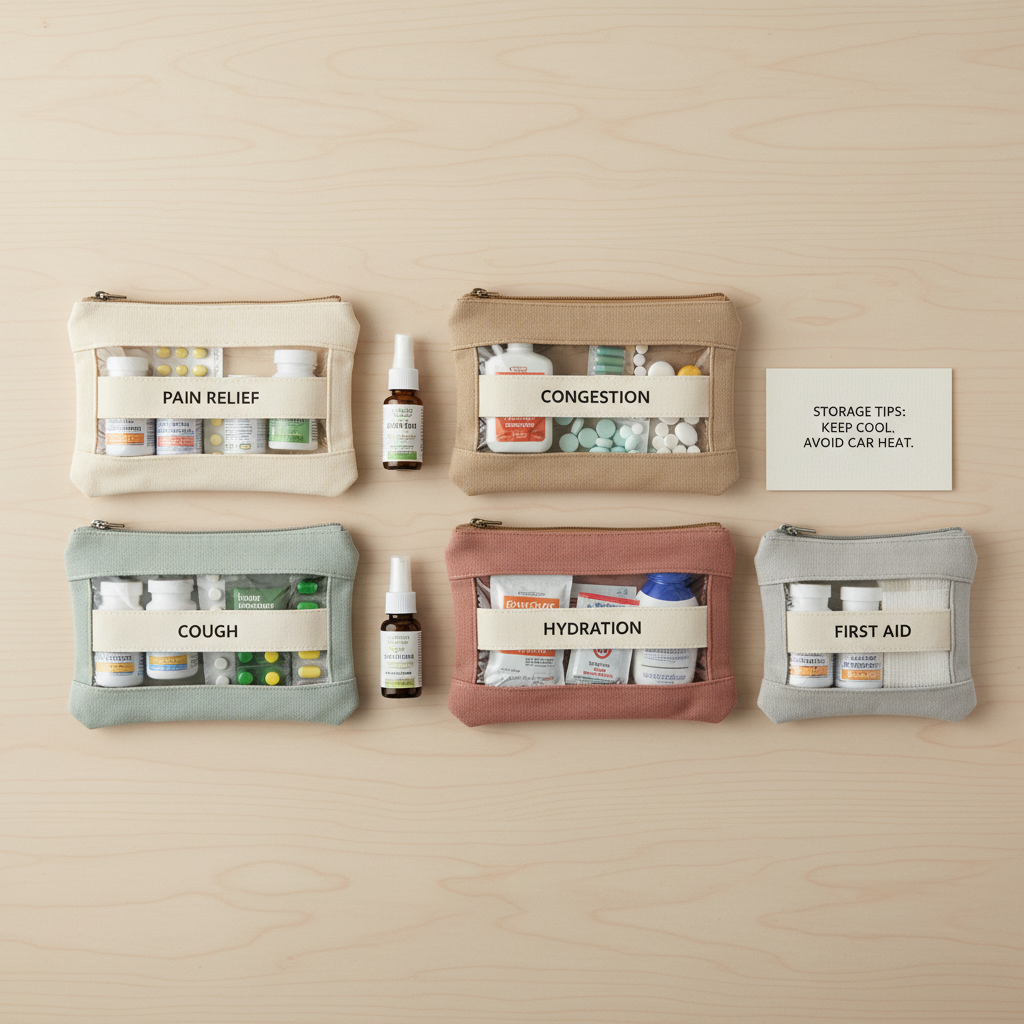
Build your kit by scenario (so you don’t overpack)
The “best” kit is the one you’ll actually carry. Here are three practical builds you can copy.
1) Minimal carry-on kit (business travel)
- Pain/fever reducer (small count)
- Non-drowsy antihistamine
- Cough lozenges
- Saline spray
- 2 oral rehydration packets
2) Family road trip kit (more coverage)
- Pain/fever reducer(s) appropriate for ages traveling
- Thermometer
- Decongestant option (if appropriate for your household)
- Cough support matched to likely needs
- Electrolytes, tissues, hand sanitizer
3) “Stuck in a hotel” emergency kit
- Multi-symptom product or separate single-symptom meds (pick one approach)
- Throat spray or strong lozenges
- COVID-19 tests (if you want the ability to confirm)
- Disposable thermometer covers or alcohol wipes
Key point: choose either a combo product for convenience or single-symptom products for control, mixing both is where people get into trouble.
Self-check list: do you need a different approach than OTC meds?
OTC products focus on symptom relief, they don’t “cure” viral colds or flu. This quick checklist helps you decide what to do next.
- You may be fine with self-care if symptoms are mild, improving over a few days, and you can hydrate and rest.
- Consider calling a clinician if fever is high, symptoms are intense, you’re pregnant, immunocompromised, or you have chronic heart/lung conditions.
- Seek urgent care if you have trouble breathing, chest pain, blue lips/face, confusion, or signs of severe dehydration.
According to CDC, people at higher risk for flu complications include older adults, young children, pregnant people, and those with certain chronic conditions. If you fall into a higher-risk group, it’s reasonable to have a lower threshold for getting medical advice.
Common mistakes that make travel colds worse
- Taking “nighttime” products during the day and wondering why you feel foggy or unsafe to drive.
- Ignoring hydration, especially in dry cabins and heated hotel rooms, this can amplify headaches and throat irritation.
- Overusing nasal spray decongestants, some can cause rebound congestion if used beyond label guidance.
- Doubling up on acetaminophen via combo products plus a separate pain reliever.
- Assuming antibiotics help for typical viral colds, they usually don’t, and misuse carries risk.
Practical “do this tonight” plan when symptoms start on a trip
If you feel a cold coming on mid-trip, a simple plan beats frantic dosing.
- Pick your top 1–2 symptoms to treat, don’t chase every minor discomfort with a new product.
- Check active ingredients on anything labeled “cold/flu,” especially for acetaminophen overlap.
- Hydrate early and add electrolytes if you’re sweating or not eating much.
- Set a timer for doses in your phone, travel fatigue makes it easy to forget what you took.
- Sleep protection matters, but avoid sedating meds if you need to drive, supervise kids, or work safely.
Bottom line: the goal is steadier comfort with fewer meds, not maximum meds.
Conclusion: pack small, label well, and plan for your risks
A cold flu medicine travel pack works best when it’s simple, clearly labeled, and matched to your travel style. If you do one thing, check your actives and avoid overlap, that single habit prevents a lot of avoidable side effects.
If you’re traveling soon, take 10 minutes to assemble a minimal kit, then add one scenario-specific upgrade, like a thermometer for family trips or saline spray for frequent flyers. If you have chronic conditions, take prescriptions, or shop for a child, it’s smart to ask a pharmacist or clinician which OTC options fit your situation.
FAQ
- What should a cold flu medicine travel pack include for a flight?
Focus on throat lozenges, a pain/fever option, saline spray, and hydration packets. Airplane dryness tends to make throat and sinus symptoms feel worse, even if the illness is mild. - Is it better to bring a multi-symptom cold/flu product or single-symptom meds?
Multi-symptom products are convenient, but single-symptom meds give you more control and reduce the chance you take something you don’t need. If you’re sensitive to side effects, single-symptom often feels easier. - How do I avoid taking too much acetaminophen while traveling?
Read the Drug Facts panel on every product, especially “cold/flu” combos, because many include acetaminophen. If you’re unsure, don’t stack products and ask a pharmacist. - Can I bring OTC cold medicine through TSA?
Solid tablets are usually straightforward. Liquids and gels can be more complicated, so keep them travel-sized and follow current TSA guidance if you’re flying. - What’s the safest cough medicine to pack for emergencies?
It depends on the cough type and your health conditions. Many travelers pack lozenges plus either an expectorant or a suppressant, but if you have asthma, take certain prescriptions, or the cough is severe, you may want professional advice. - What if my “cold” turns into fever and body aches overnight?
That pattern can happen with flu or other infections. If you’re high-risk or symptoms escalate quickly, consider contacting a clinician rather than only relying on OTC relief. - How often should I replace items in my travel medicine kit?
Check expiration dates a few times per year and after major trips. Heat exposure in cars or garages can also be a reason to replace products sooner, depending on what you carry.
If you’re putting together a kit and want a more streamlined setup, it can help to use a small organizer and a simple ingredient checklist so you can restock quickly before each trip, without rethinking every item from scratch.